
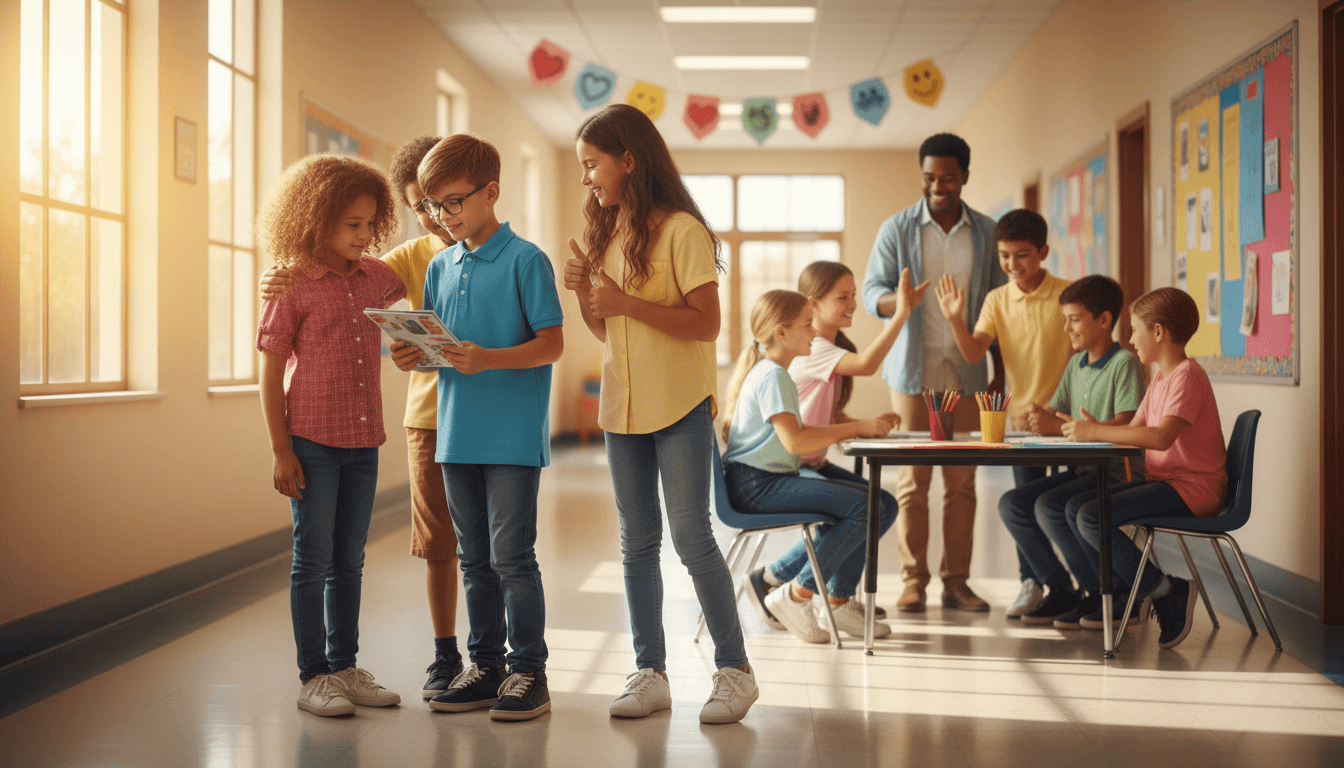
Sharing Your School Community Circle Practice with Families
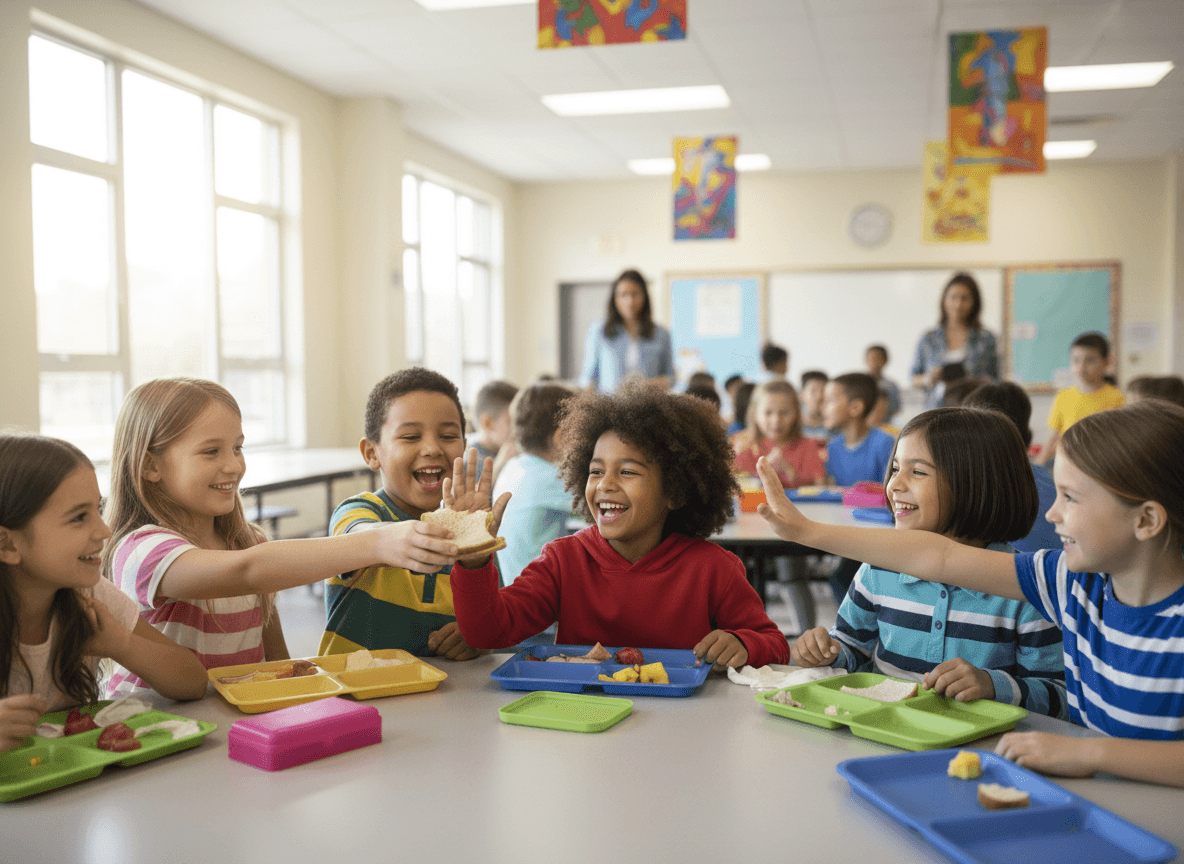
Community circles create something that is hard to build any other way: a shared experience where every person present has an equal place in the conversation. For students who often have no structured moment where their voice is heard, circles can be genuinely transformative.
But the transformation is limited if families do not understand what is happening or if the skills practiced in circle only exist at school. The newsletter is how you bring families into the practice.
Start with a Plain-Language Introduction
Introduce community circles early in the year with a short explanation of the format and purpose. Describe what a circle looks like, how often it happens, and what skills it is designed to build.
Mention the talking piece if you use one. "In our circles, we pass a small stone that serves as the talking piece. Only the person holding the stone speaks. Everyone else practices listening." That is a detail families find interesting and that helps them understand the structure when their child mentions it.
Share What Topics Circles Address
Community circles in schools cover a range of purposes: community building, academic check-ins, conflict resolution, and response to school-wide events. Sharing the range of topics your circles address helps families understand that circles are not just a feel-good activity but a tool the school uses for real community work.
"After the power outage last Tuesday, our advisory teams held circles where students could share how they felt about the disruption and what they needed to get back on track. The response was calmer than usual because students had a structured space to process." That is a credible example of circles in action.
Describe the Skills Being Built
Community circles develop active listening, speaking under mild social pressure, emotional regulation, and respect for a shared process. These are skills that transfer directly to academic discussion, workplace meetings, and civic life.
Name these skills explicitly in the newsletter rather than describing circles only in relational terms. "Students who practice circle listening regularly show measurably better turn-taking in classroom discussions. This is not a coincidence." That kind of concrete connection helps families see the academic value.
Offer a Family Version
A brief newsletter sidebar with a simple home circle format gives families an accessible entry point. Suggest a talking piece, a short opening question, and a one-round format where everyone answers before any discussion begins.
"For a family circle this week: pass a spoon as your talking piece and have each person answer 'What is one thing that felt hard this week and one thing that felt good?' No responses until everyone has had their turn." This is a usable, low-effort home extension.
Report on Impact
Once per semester, share a brief observation about how circle practice is showing up in school culture. Lower conflict rates, higher student willingness to participate in discussions, or teacher observations of improved listening are all credible impact indicators worth sharing.
Even one teacher quote about what they have noticed since implementing circles makes the impact tangible for families who were skeptical about the time investment.
Get one newsletter idea every week.
Free. For teachers. No spam.
Frequently asked questions
What is a community circle and how do you explain it to families?
A community circle is a structured gathering where participants sit in a circle, take turns speaking, and focus on building connection, addressing a topic, or working through a shared concern. In most school models, a talking piece is passed to indicate who has the floor. Explain the purpose plainly: it builds listening skills, gives everyone a voice, and creates the sense of community that makes the school feel safe.
How often should the newsletter mention community circles?
A brief mention once per month is useful for families whose children participate in circles regularly. If circles are a new practice at your school, a more thorough introduction in the first newsletter makes sense before shifting to monthly updates. Families who see circles mentioned regularly develop a sense of the school as a community-centered place.
What content about circles should the newsletter avoid?
Avoid sharing anything said inside a circle that was meant to be confidential. Community circles often include personal sharing, and that sharing is protected. Report on the practice and its effects, not on the content of individual circles. 'Students discussed what belonging means to them' is appropriate. A specific student's statement is not.
Can families adapt community circle practices at home?
Yes, and the newsletter is the right place to offer a home version. A brief weekly family circle, using a simple object as a talking piece and a set opening question, takes about ten minutes and builds the same listening and sharing skills the school is developing. Families who try it often report it changing dinnertime conversations.
How does Daystage help schools communicate circle-based practices?
Daystage makes it easy to include consistent descriptions of community-building practices like circles in each newsletter issue. Schools use it to keep families informed about the relational work that shapes school culture, not just the academic and event news.

Adi Ackerman
Author
Adi Ackerman is a former classroom teacher and curriculum writer with 8 years in K-8 schools. She writes about school communication, parent engagement, and what actually works in real classrooms.
More for School Culture
Ready to send your first newsletter?
3 newsletters free. No credit card. First one ready in under 5 minutes.
Get started free