
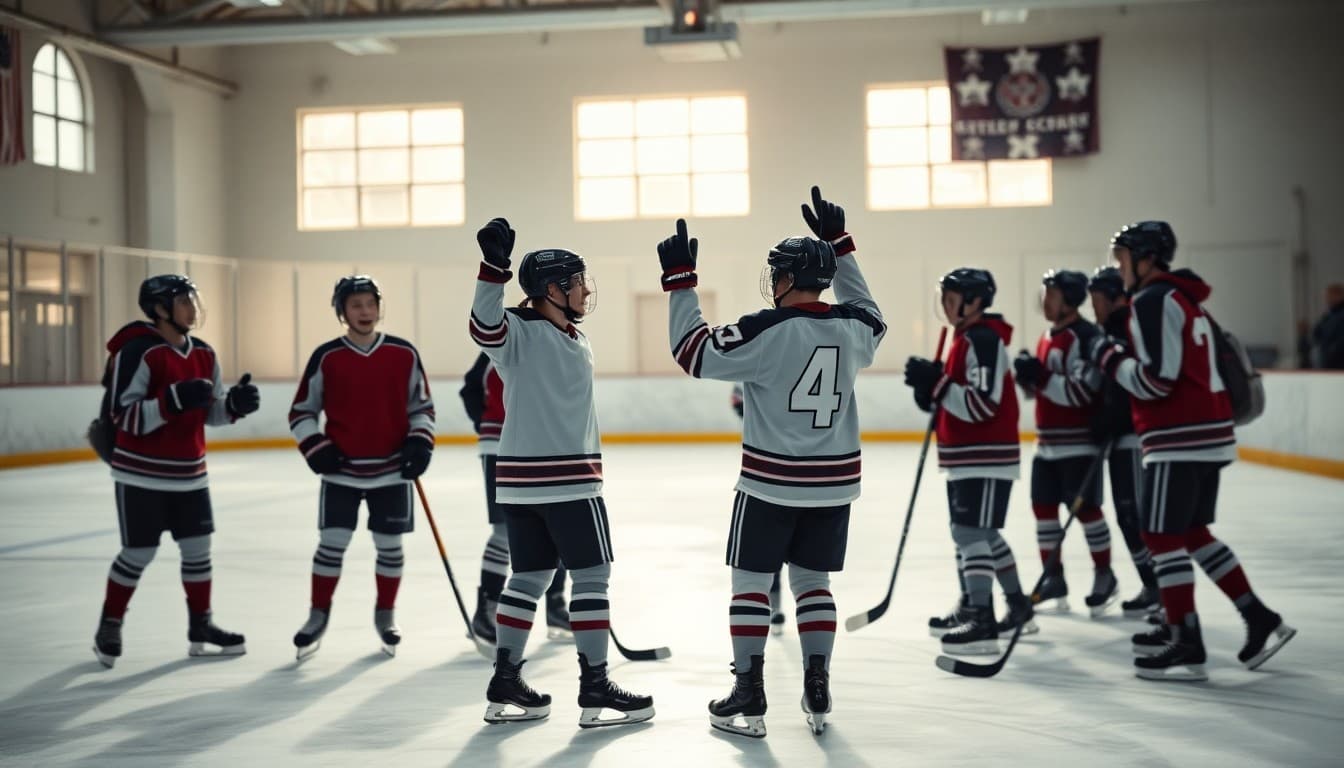
Hockey Team Newsletter: What to Include and How to Write It
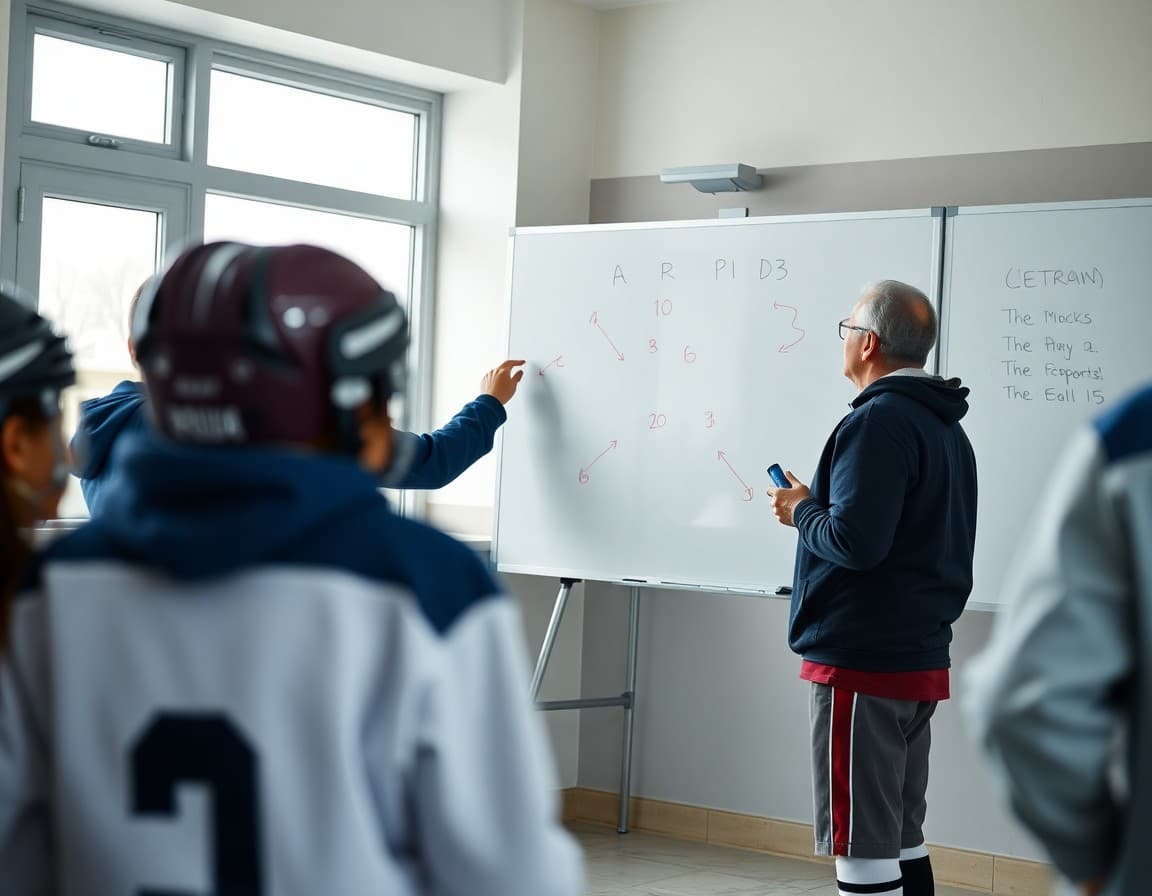
Hockey programs run on early mornings, cold rinks, and a family community that is, by necessity, closely involved. The parents who drive to 5:30 AM practices and travel to away rinks in February want to stay connected to the program. A hockey team newsletter that covers logistics, results, and team culture gives that community what it needs and reinforces the values that make a program last.
Cover the logistics families actually need
Hockey is logistically complex. Ice time is scheduled at odd hours. Away games happen at rinks that families have never visited. Equipment is expensive and specific. A newsletter that covers the practical details, practice times, game schedules with rink addresses, what equipment players need by what date, and who to contact with questions, removes friction for families who are already doing a lot to support their athletes.
Report results with context
Game results are what families look for first, but results without context are thin. A newsletter that reports a 4-2 win and also notes that the team's penalty kill was perfect for the first time all season, or that a sophomore goalie made 38 saves in a 1-0 loss, tells a fuller story. Include individual highlights alongside team results so more players get recognized.
Build team culture through the newsletter
The newsletter is an opportunity to communicate what the program stands for. If the program emphasizes defensive responsibility, academic accountability, and respect for officials, those values should appear in the newsletter, not just in the locker room. A note from the coach that names what the team is working on beyond the scoreline communicates that culture to the family community.

Feature players beyond the stars
Every team has high-profile players and every team has players who contribute less visibly. A newsletter that rotates player spotlights through the roster, covering defensive specialists, backup goalies, and team leaders who are not the top scorers, communicates that every player matters to the program. Those players and their families notice when they are acknowledged.
Include academic eligibility reminders
High school athletics requires academic eligibility, and hockey families benefit from a mid-season reminder about grade requirements and grading periods that affect eligibility. A newsletter that includes this information proactively, rather than waiting until an athlete is at risk, communicates that the program takes the student-athlete balance seriously.
Close the season with full recognition
A post-season newsletter that lists final records, league standings, individual statistics, senior recognition, and award recipients gives the season a proper close. Hockey families invest significantly in the program, and a post-season newsletter that honors that investment with real recognition sustains the enthusiasm that booster programs and returning athletes depend on.
Get one newsletter idea every week.
Free. For teachers. No spam.
Frequently asked questions
What should a school hockey team newsletter cover?
Game schedules and results, player spotlights, coaching updates, travel logistics for away games, equipment requirements, locker room culture and team values, academic eligibility reminders, booster club information, and season-long records. Hockey families are often highly invested and appreciate detailed, regular communication about both results and team culture.
How often should a hockey program send newsletters?
Weekly during the season is a reasonable cadence. A pre-season newsletter covers tryouts, schedule, equipment, and expectations. Weekly season newsletters cover game results, upcoming games, and team news. A post-season newsletter closes the year with final records, senior recognition, and award announcements.
How do hockey newsletters build team culture?
By covering the program's values explicitly, featuring stories about player work ethic and team chemistry alongside game results, and including content that reflects what the program stands for beyond wins and losses. A newsletter that only covers scores tells a thin story. A newsletter that covers the program's culture tells the full one.
What logistical information do hockey families most need?
Ice time and practice schedules, game start times and rink locations for away games, carpool and transportation information, equipment drop-off logistics, what spectators need to bring for cold rinks, gate and admission information, and how to contact the coaching staff. Hockey logistics are genuinely complex, and families appreciate proactive, detailed communication.
How does Daystage help hockey coaches and boosters communicate with families?
Daystage makes it straightforward to send targeted newsletters to the full hockey program community, from JV families to varsity boosters, without managing separate distribution lists. A coach or booster coordinator who uses Daystage for weekly season newsletters builds the kind of consistent family engagement that sustains a program across seasons.

Adi Ackerman
Author
Adi Ackerman is a former classroom teacher and curriculum writer with 8 years in K-8 schools. She writes about school communication, parent engagement, and what actually works in real classrooms.
More for School Culture
Ready to send your first newsletter?
3 newsletters free. No credit card. First one ready in under 5 minutes.
Get started free