
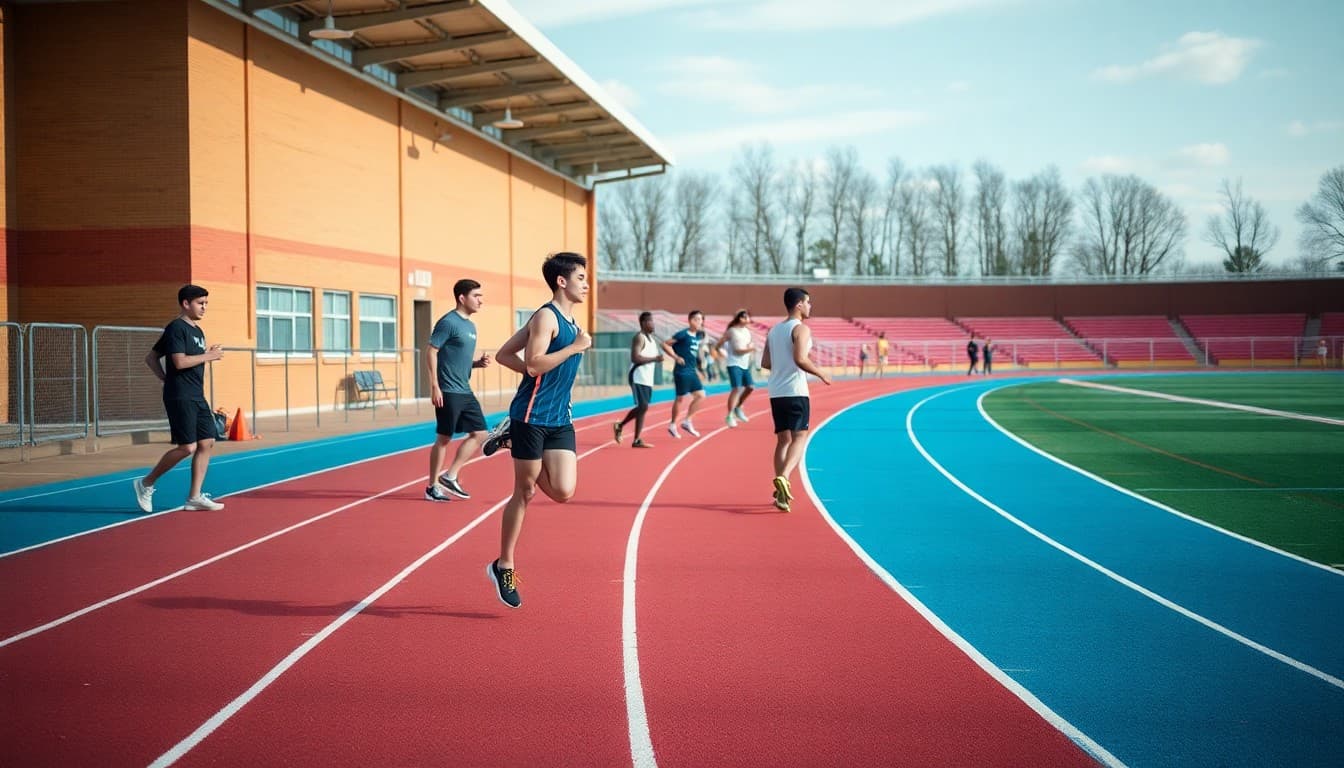
Track and Field Team Newsletter: What to Include and How to Write It
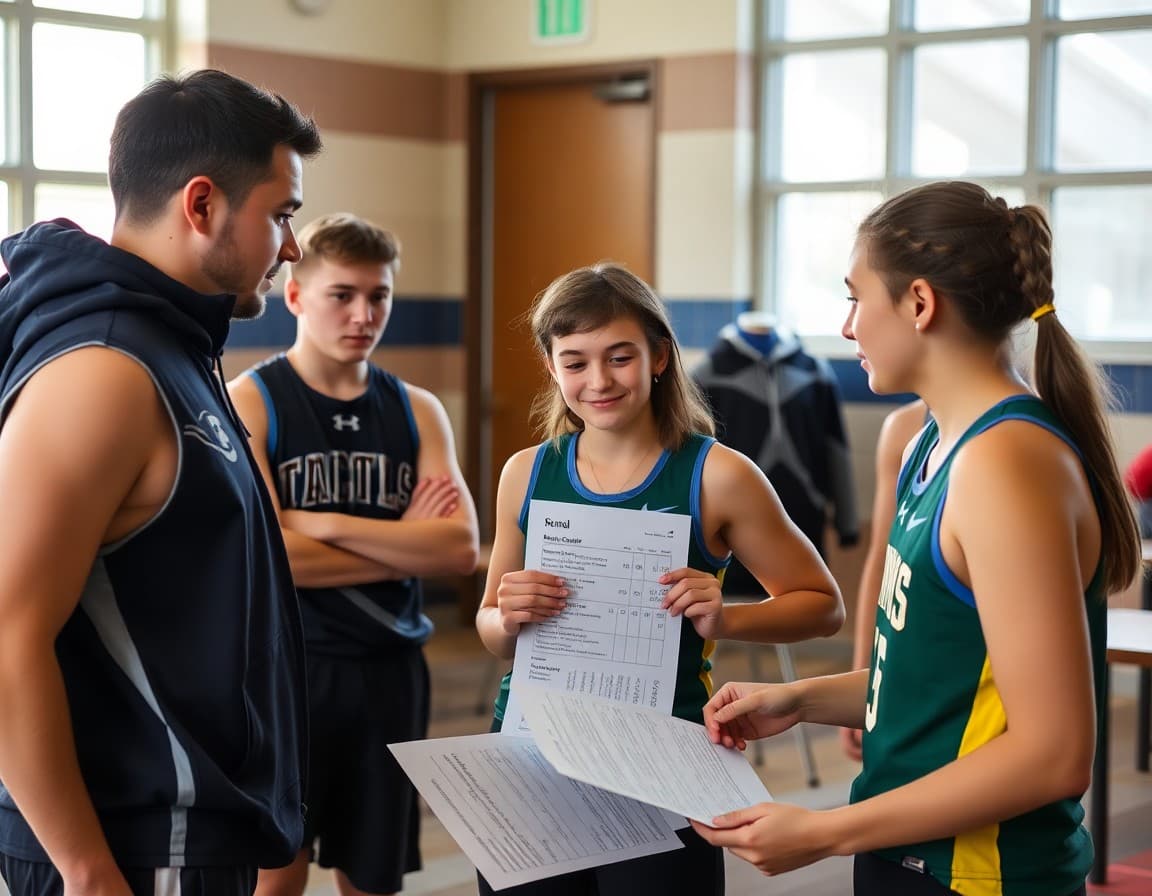
Track and field is one of the few sports where every athlete competes individually and scores for the team at the same time. That combination makes for a rich newsletter subject: there are individual stories to tell, team dynamics to build, and a wide range of performances to celebrate. A well-written track and field newsletter does all of this and keeps a large family community informed and engaged throughout a season that can stretch from February to June.
Set expectations before the season begins
A pre-season newsletter that covers the practice schedule, meet calendar, uniform requirements, eligibility standards, and coaching staff introductions gives families everything they need before the first workout. Include information about how to contact the coach, what the academic eligibility requirements are, and what athletes will need in terms of shoes and equipment.
Cover meet logistics in detail
Track families want to know where the meet is, when their athlete competes, where to park, whether there is an admission fee, and when they should expect the meet to end. Track meets can run for four to six hours when all events are contested. A newsletter that gives families a rough schedule and tells them which events their athlete is entered in makes it far easier to plan attendance.
Announce personal records, not just place finishes
Most athletes in a track program will never win an event. Most of them will set personal records during a season. A newsletter that tracks and announces PRs, by name and by improvement, celebrates the athletes who are working hard and improving without ever standing on the top step of the podium. That celebration builds the culture of effort that good athletic programs require.

Feature the full range of events
Track programs typically include sprinters, distance runners, field athletes in jumps and throws, and relay teams. A newsletter that only covers the sprint events or only mentions the winners of each event fails to represent the whole program. Rotate coverage across events and athlete types, and make sure field events, which are often overlooked in sports coverage, receive the same attention as running events.
Highlight team chemistry and training culture
Track is individual competition, but team culture is what keeps athletes showing up to early morning practices and competing for points beyond their own performance. Newsletter content that features team traditions, practice rituals, upperclassman mentorship of younger athletes, and moments of collective effort communicates what the program is about beyond times and distances.
Close the season with real recognition
A post-season newsletter that lists final team records, individual season bests, league finishes, and athlete recognition gives the season a formal close. Feature outgoing seniors, announce any award winners, and look ahead to the next season. Athletes who feel recognized at the end of a season are more likely to return for the next one.
Get one newsletter idea every week.
Free. For teachers. No spam.
Frequently asked questions
What should a track and field team newsletter include?
Meet schedules and results, individual and team personal records, athlete spotlights, coaching updates, travel logistics for away meets, eligibility and academic requirements, equipment and uniform information, and recognition of improvement alongside outright wins. Track is an individual-in-a-team sport, which means the newsletter can celebrate a wide range of athletes rather than only the fastest ones.
How often should a track team send a newsletter during the season?
Weekly during the active season is appropriate for most programs. A pre-season newsletter sets expectations. Weekly newsletters during the meet season keep families informed and athletes engaged. A post-season newsletter closes the year with results, records, and recognition.
How do track newsletters celebrate athletes who do not win events?
By focusing on personal records rather than only place finishes. Every athlete who sets a personal record in a meet has something to celebrate, regardless of where they placed. Newsletters that track and announce PRs celebrate effort and improvement, which is what most young athletes are working toward.
What logistical information do track families most need from newsletters?
Meet dates, times, and locations; transportation information for away meets; warm-up and arrival times; spectator information including admission fees and parking; athlete check-in procedures; and food and hydration guidance for meet days. Track meets can run long, and families who know what to expect are better prepared to support their athletes.
How does Daystage help track coaches communicate with their team community?
Daystage makes it easy for coaches to send polished, targeted newsletters to their team's families without the effort of managing a separate mailing list or designing each edition from scratch. A coach who sends a consistent weekly newsletter through Daystage during the season builds the team culture and family engagement that makes a program feel like a community.

Adi Ackerman
Author
Adi Ackerman is a former classroom teacher and curriculum writer with 8 years in K-8 schools. She writes about school communication, parent engagement, and what actually works in real classrooms.
More for School Culture
Ready to send your first newsletter?
3 newsletters free. No credit card. First one ready in under 5 minutes.
Get started free