
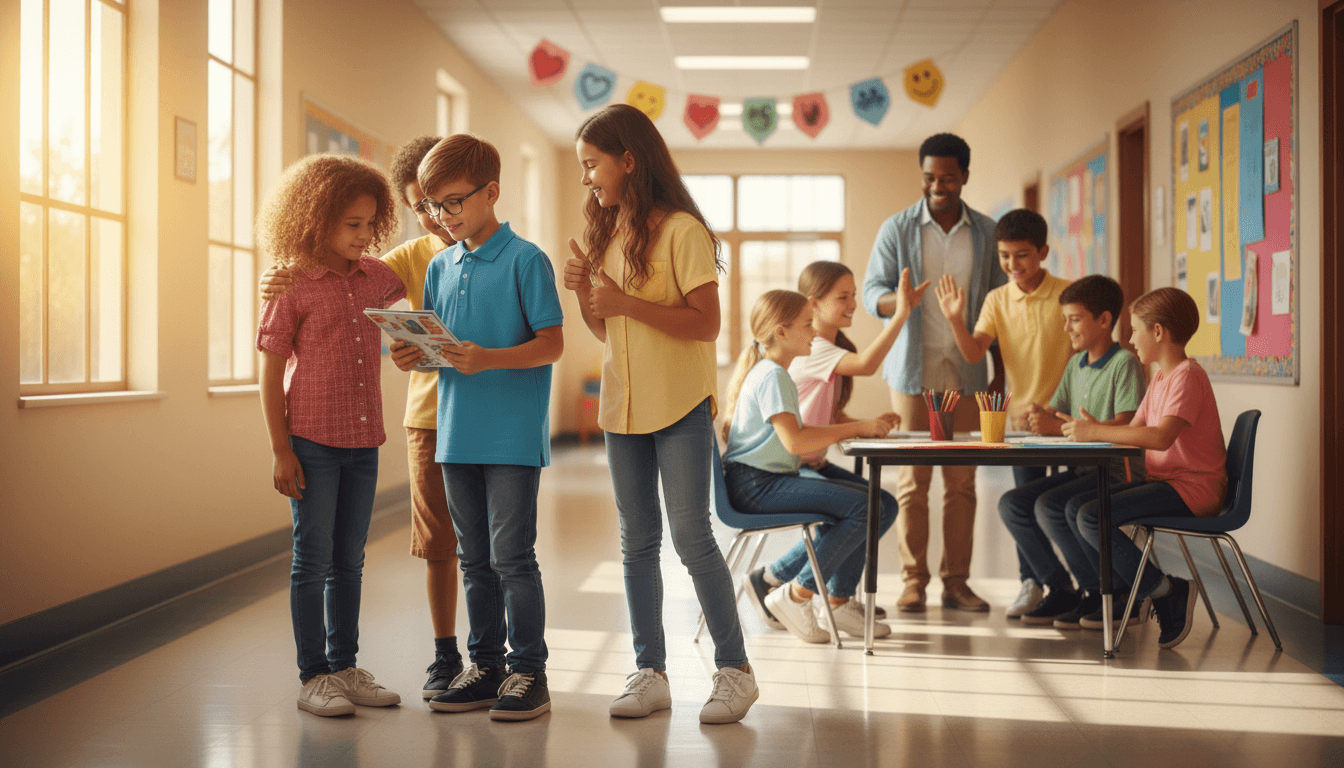
How to Communicate Team Building Activities in Your School Newsletter
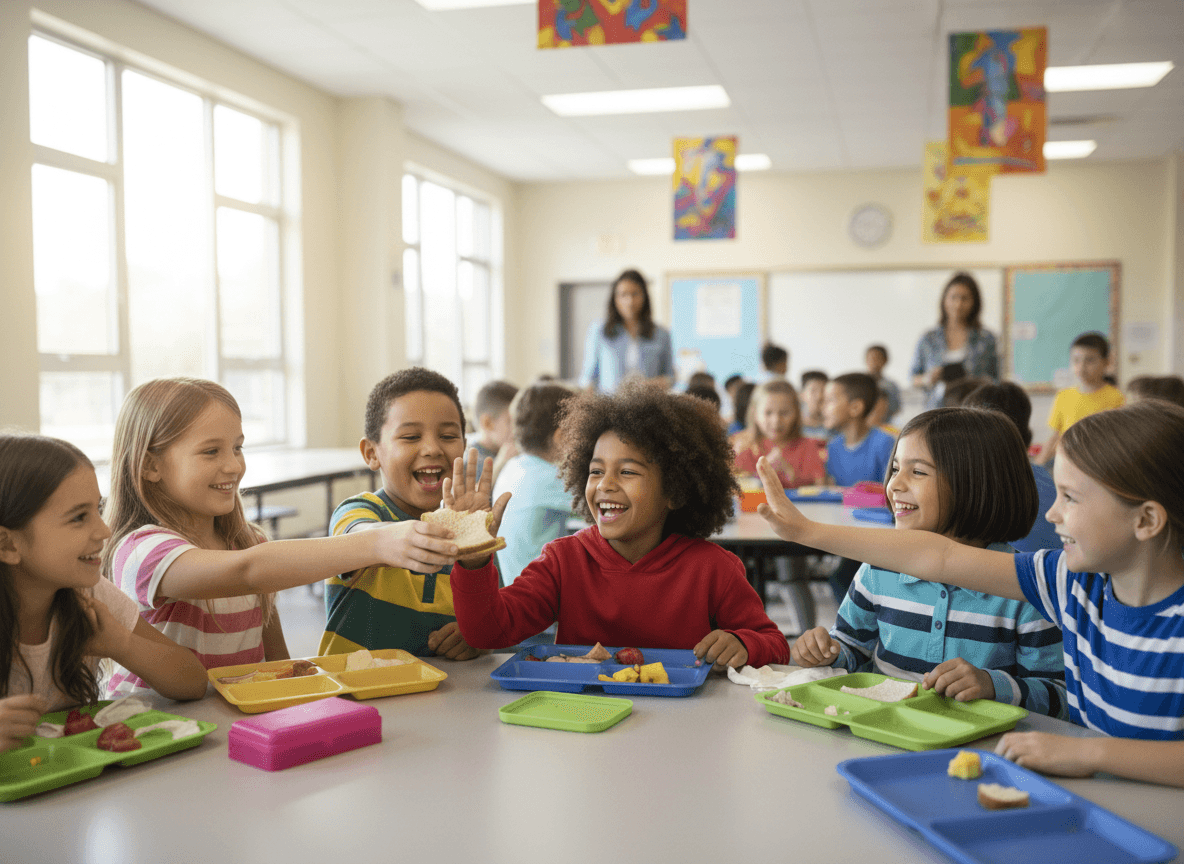
Team building activities are easy to dismiss as fun but not serious. A ropes course. A cooperative game in the gym. A challenge where groups have to build something from limited materials. These look, from the outside, like play time or a break from learning.
They are not. When designed and debriefed well, team building activities develop exactly the skills that determine how well groups of humans can accomplish anything together. And in schools, those are precisely the skills that determine how well a classroom learns. Communicating the purpose of team building to families is what moves it from a fun day to an educational investment families value and support.
Connect team building to academic skills explicitly
Families who understand that team building develops the collaboration, communication, and conflict resolution skills that show up in group projects, discussions, and peer learning are more supportive of time spent on it. Make this connection explicit in your communication.
"The skills students practice in team building, listening fully before responding, working through disagreement productively, recognizing and using each person's strengths, are the same skills we ask them to use every day in group research projects, science labs, and literature discussions. We build those skills deliberately because they do not develop reliably on their own" is the kind of specific explanation that converts family skepticism into support.
Describe the debrief process
The educational heart of most team building activities is the debrief, the structured reflection after the activity where students examine what happened, what worked, what got in the way, and what they learned about themselves and their team. This is where the experience becomes learning.
When you communicate about a team building activity, describe the debrief. "After the tower-building challenge, students spent fifteen minutes discussing questions like: What made it hard to agree on a plan? When did the team work best together? What would you do differently?" This tells families that something educationally purposeful was happening, not just a fun competition.
Share what students noticed and learned
Student reflections from team building activities are among the most revealing pieces of content a school can share with families. When a seventh grader writes "I realized I was so focused on my own idea that I wasn't actually listening to what anyone else said, and we would have done better if I had" that is authentic learning that families recognize and value.
Include two or three brief student reflections in your team building communication. Not edited-for-perfection summaries, but genuine student observations about what they learned about collaboration and about themselves.
Preview upcoming team building experiences
If the school has major team building experiences planned, like an outdoor education trip, a retreat, or a schoolwide challenge day, preview them in your communication well in advance. Include the educational purpose, the logistics families need to know, and what students should expect.
Families who receive a clear, purposeful preview of a team building event are less likely to question why the school is spending time or money on it. The preview also lets students go into the experience with a sense of its purpose, which changes how they engage with it.
Connect team building to the school's collaboration culture
Team building is most powerful when it is part of a coherent culture of collaboration, not a series of isolated events. In your communications, show how team building connects to the school's broader approach to learning: group projects, discussion protocols, peer feedback, and collaborative problem-solving. Families who see team building as one piece of a consistent collaboration culture understand it differently than families who see it as an occasional fun day.
Get one newsletter idea every week.
Free. For teachers. No spam.
Frequently asked questions
What is the educational purpose of team building activities in school?
Team building activities develop skills that research consistently links to academic success and life outcomes: collaboration, communication, perspective-taking, conflict resolution, and trust. They also build the classroom and school community that makes academic risk-taking possible. A student who trusts their classmates is more willing to share an uncertain idea, attempt a difficult problem publicly, and ask for help when stuck. Team building is not a break from learning. It creates the conditions for deeper learning.
What kinds of team building activities are most effective for school-age students?
Effective team building for school-age students is structured, debriefed, and connected to explicit learning goals. Challenge activities that require genuine collaboration and cannot be solved by one person alone. Role-based group activities where different skills are needed to succeed. Problem-solving scenarios that surface different perspectives and require negotiation. The debrief, where students reflect on what they noticed about the team's process, is often the most educationally valuable part of the activity.
How do team building activities translate into everyday classroom behavior?
The skills practiced in team building activities appear in everyday academic work when teachers create structures that require collaboration: discussion protocols, group research projects, peer feedback processes, and collaborative problem-solving routines. Students who have developed trust through team building engage more fully in these structures. The connection is not automatic. It requires teachers who deliberately bridge the team building experience to the daily academic work.
How should schools communicate team building activities that happen outside the regular school day?
Outdoor education days, ropes courses, and overnight retreats are common team building experiences for middle and high school students. For these events, communicate the educational purpose clearly in advance, describe what students will experience, address any safety or accessibility questions, and follow up with a reflection piece in the newsletter after the event. Families who understand why the school invests in these experiences are far more supportive of them.
How can Daystage help schools communicate team building programs?
Daystage lets schools send visually engaging team building newsletters directly to families with photos from activities, student reflections, descriptions of what was learned, and previews of upcoming team building experiences. Consistent communication about these programs builds family understanding of and support for experiences that might otherwise look like just a fun day away from class.

Adi Ackerman
Author
Adi Ackerman is a former classroom teacher and curriculum writer with 8 years in K-8 schools. She writes about school communication, parent engagement, and what actually works in real classrooms.
More for School Culture
Ready to send your first newsletter?
3 newsletters free. No credit card. First one ready in under 5 minutes.
Get started free