
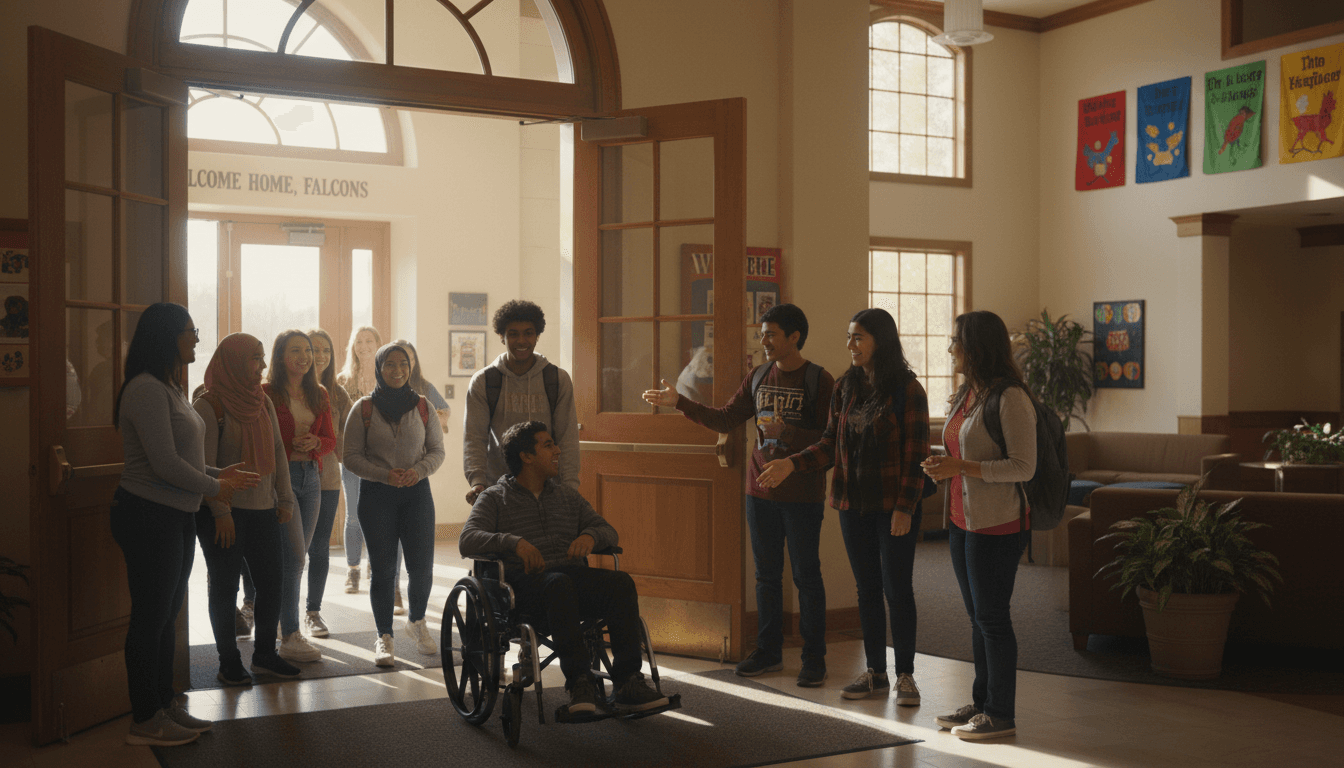
School Belonging Newsletter: Building a Culture Where Every Student Feels Welcome
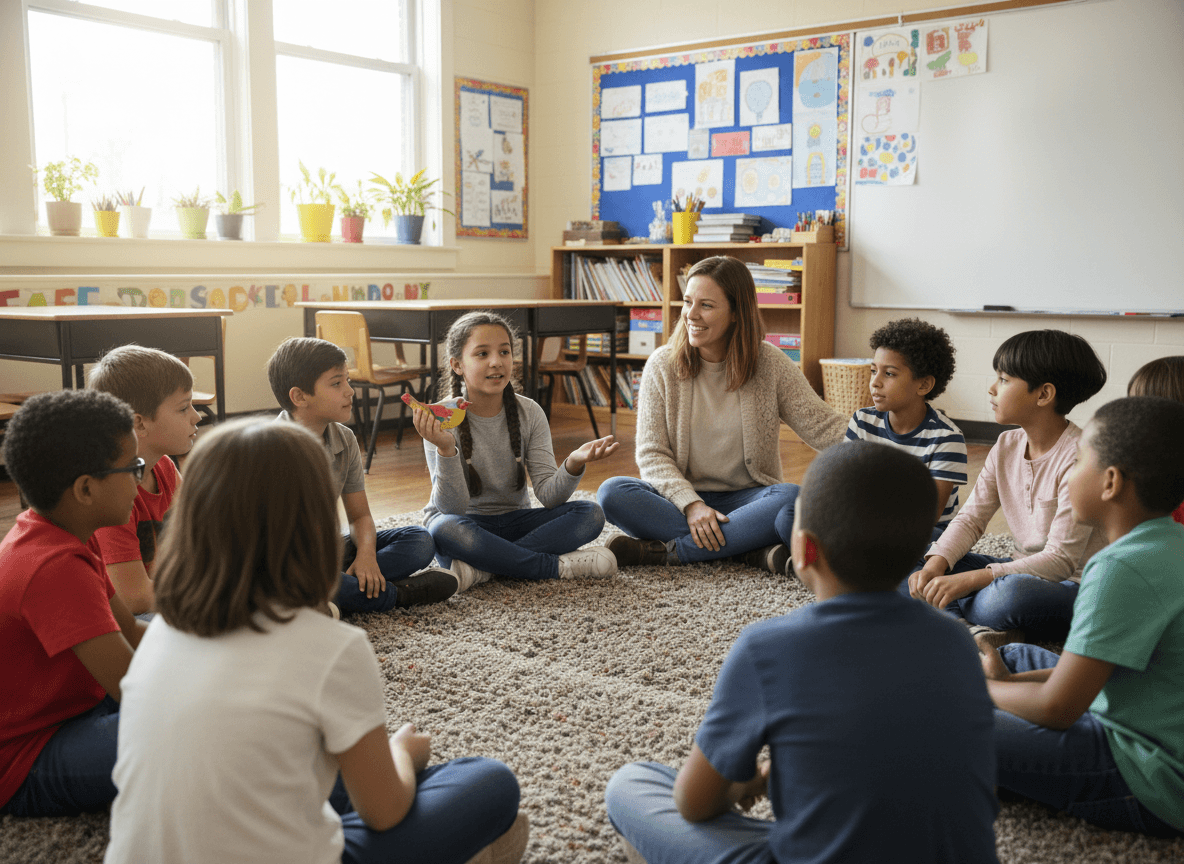
Belonging is one of the strongest predictors of student academic performance, mental health, and long-term school attachment. Students who feel they belong at their school show up more consistently, take more academic risks, and are more likely to seek help when they struggle. But belonging does not happen automatically. It is built through deliberate practices, and those practices need to extend beyond the school day.
Your newsletter is one of the tools that bridges school and home. Here is how to use it to actively build a belonging culture.
Make Every Family Feel Seen in the Newsletter Itself
A newsletter that only features families who look like the majority of your school's parent body sends a signal to families in the minority: this place is not for you. Over time, newsletters do the same thing your hallways do. They communicate who the school thinks of as central and who is peripheral.
Audit your last three months of newsletters. Whose names appear? Whose celebrations are featured? If the same ten families appear repeatedly while others never appear at all, the newsletter is reinforcing a belonging gap rather than closing it. Actively seek out students and families from underrepresented groups for features, photos, and spotlights.
Translate Belonging Programs into Family Language
Schools that invest in belonging often run specific programs: buddy systems for new students, peer mentoring programs, lunch clubs for students who eat alone. Most families never hear about these programs unless their child is directly involved.
Use your newsletter to describe what these programs look like and what they accomplish. "Our Lunch Bunch program pairs students who are new to the school with a trained student mentor for their first six weeks. Twelve new students joined this fall, and all twelve are now connected to at least one peer group they identified themselves." That sentence tells families something specific about how the school builds belonging, in terms they can talk about with their child.
Give Families Specific Conversation Starters
Research on belonging consistently shows that students need adults in their lives to take an active interest in their school social experience, not just their academic performance. Most families want to do this but do not know what to ask beyond "How was school today?"
Include a conversation starter in each newsletter: "This week, ask your child who they sat with at lunch and what they talked about" or "Ask your child if there is anyone in their class they wish they knew better and why." These prompts are simple, take one sentence, and give families a concrete way to support their child's sense of connection.
Celebrate New Students by Name
New students are among the most vulnerable members of your school community from a belonging standpoint. A newsletter that welcomes new students by name, with a brief note about where they came from or what they are interested in, does two things: it signals to the new student that the school noticed them, and it prompts existing students and families to reach out.
"Welcome to Sofia, who joins our fourth grade from São Paulo, Brazil. Sofia loves soccer and is already teaching her class a few words in Portuguese." Get the student's permission and parent consent before publishing. The payoff in belonging is significant.
Report on Belonging Data Without Making It Dry
Many schools administer student belonging surveys. Sharing results with families, even in brief form, builds accountability and shows that the school treats belonging as a measurable outcome, not just a feeling.
"Our fall belonging survey showed that 78 percent of students report feeling welcome at school most or all of the time. Our goal for spring is 85 percent. We are focusing this semester on the lunch period and transition times, where students reported feeling least connected."
Numbers make belonging real. They show families that the school is tracking something specific, has a goal, and has a plan for getting there.
Get one newsletter idea every week.
Free. For teachers. No spam.
Frequently asked questions
When should schools communicate belonging initiatives to families?
Belonging communication works best before the school year begins and at key transitions like the start of each semester. Introducing buddy programs, peer mentoring, and new student integration steps before families need them gives parents language to use with their children from the first week.
What should a school belonging newsletter include?
Descriptions of specific belonging programs like lunch clubs or peer mentoring, data from belonging surveys, conversation starters families can use at home, and spotlights on students who joined or helped welcome others. Concrete program descriptions are far more useful than general statements about school values.
How can schools build a sense of belonging through newsletters?
Feature students and families from across the school's full demographic range, not just the same groups repeatedly. Welcome new students by name with brief background details when consent is given, and publish belonging survey results so families see the school treating inclusion as a measurable outcome.
What are common mistakes in school belonging communication?
Featuring the same families and students issue after issue while others never appear, which reinforces rather than closes belonging gaps. Announcing belonging programs without describing what they do. And skipping data entirely, which makes belonging sound like a feeling the school hopes for rather than an outcome it tracks.
Can Daystage help schools create newsletters that build belonging?
Daystage makes it easier to build newsletter templates that include recurring belonging sections like student spotlights, new family welcomes, and conversation starters, so those elements appear consistently rather than being added as afterthoughts when time allows.

Adi Ackerman
Author
Adi Ackerman is a former classroom teacher and curriculum writer with 8 years in K-8 schools. She writes about school communication, parent engagement, and what actually works in real classrooms.
More for School Culture
Ready to send your first newsletter?
3 newsletters free. No credit card. First one ready in under 5 minutes.
Get started free