
School Neighborhood Cleanup Newsletter: Organizing Community Action Through School Communication
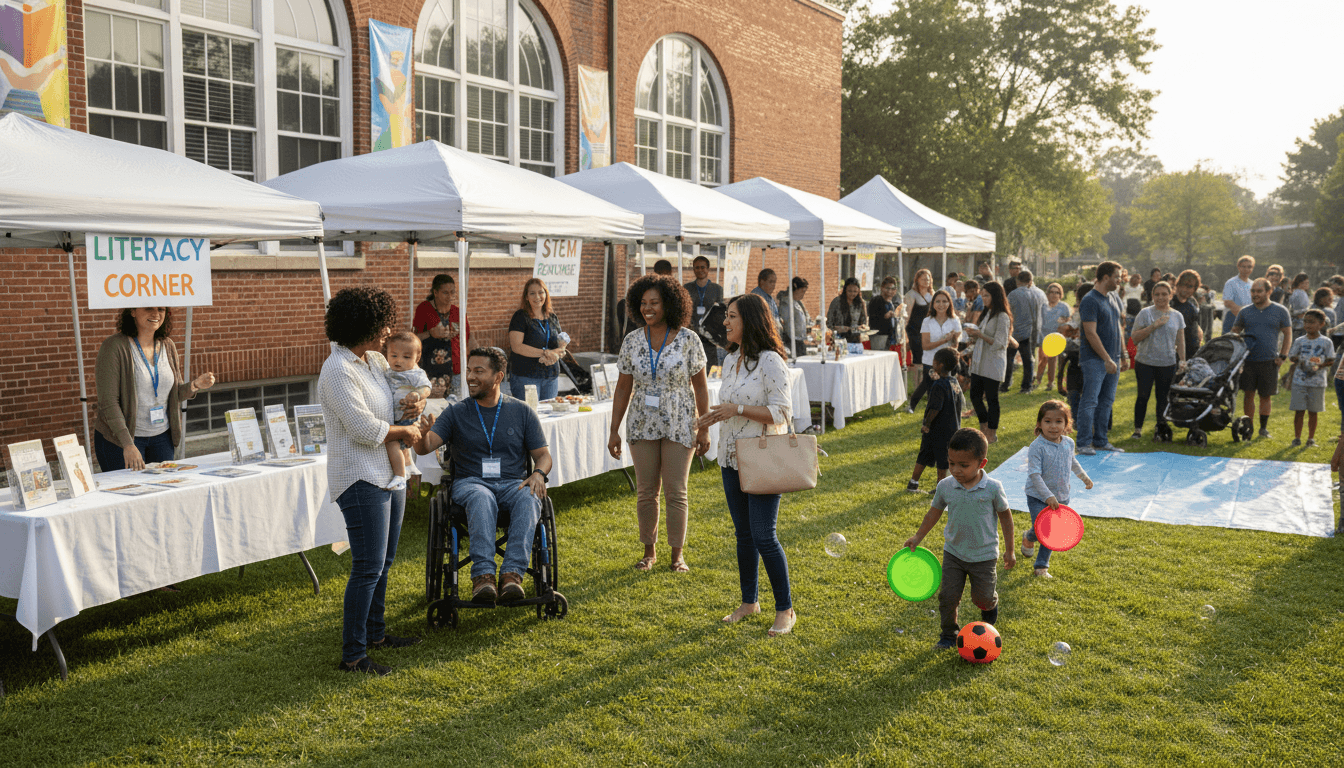
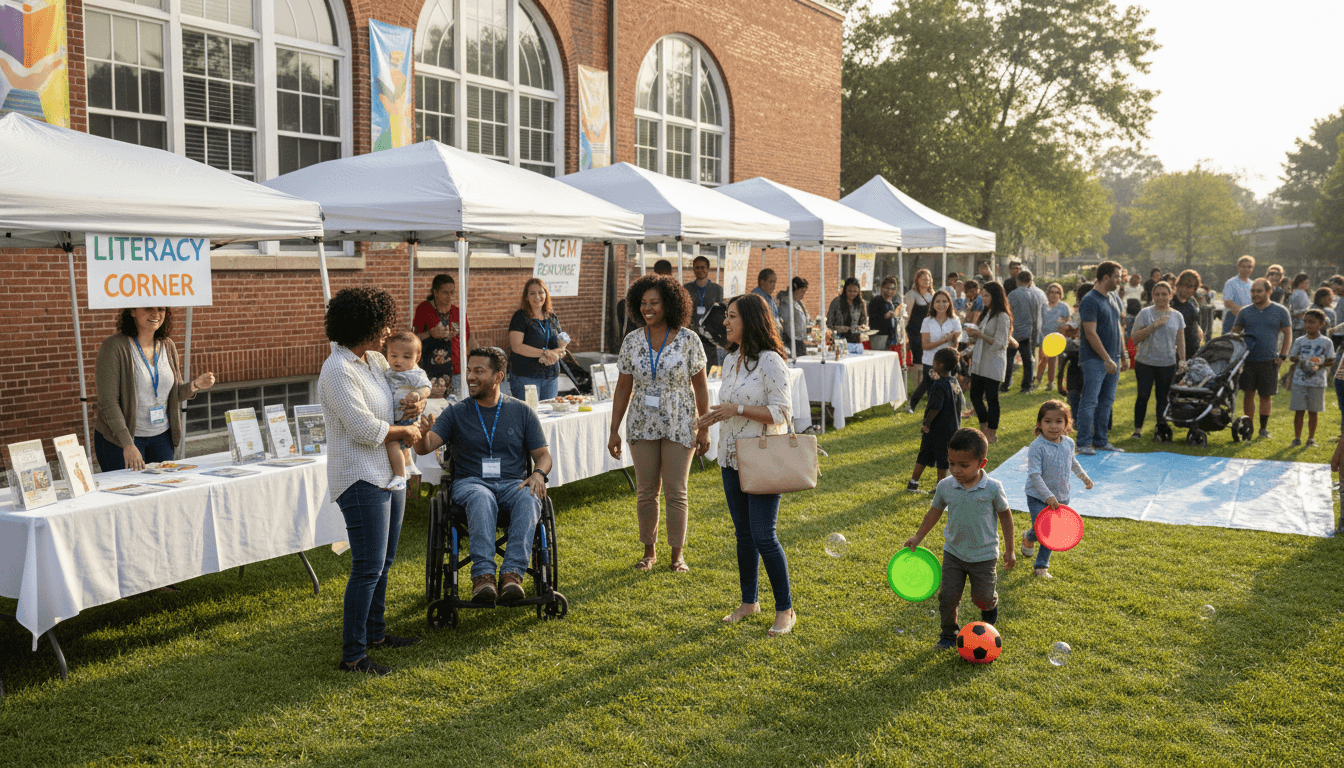
A neighborhood cleanup organized by a school is one of the most tangible expressions of community investment available. It is visible, accessible to everyone regardless of language or education level, and produces an immediate, observable result that the whole neighborhood can see. A newsletter that organizes and celebrates that event builds the community connection that sustains school-neighborhood relationships through all the less tangible work the rest of the year.
Make the logistics concrete and the entry barrier low
A cleanup event newsletter that requires participants to navigate a complex signup process, bring their own materials, or commit to a full day will have lower turnout than one that says: show up at 9am on Saturday, we have everything you need, come for an hour or three hours, no experience required. The lower the barrier to participation, the more diverse the participant group will be. Families with small children, elderly community members, and people who have never volunteered before can all show up to a low-barrier cleanup and leave having contributed something real.
Connect the cleanup to the students who live and walk in that neighborhood
Framing the cleanup in terms of the students who walk those streets every day makes the project feel more meaningful than a generic civic service activity. The block between the school and the bus stop where students walk every morning. The vacant lot next to the building that collects trash and creates an uninviting arrival experience. When families and community members understand that the space being cleaned directly affects the students they care about, their motivation to participate is higher.
Acknowledge and thank the community partners who participate
A cleanup that includes a local business providing gloves and bags, a neighborhood association that promoted the event through their network, and a faith community that sent 15 volunteers is a stronger community engagement story than a school-only cleanup. The newsletter that acknowledges these contributions, by name and with specificity, builds the partner relationships that make future events easier to organize.
Share the results immediately after the event
A post-cleanup newsletter sent within 48 hours of the event, while the experience is fresh and the neighborhood looks better, is the most effective follow-up communication the school can send. Include a brief description of what was accomplished: the number of bags filled, the area covered, the number of participants. Include a photo if available. Thank everyone who came. And end with the date of the next cleanup or the next community event. Keep the momentum moving.
Get one newsletter idea every week.
Free. For teachers. No spam.
Frequently asked questions
Why should schools organize neighborhood cleanup events?
Neighborhood cleanup events are among the most effective school-community connection activities available because they are visible, tangible, and open to participation from anyone. Students who clean up the neighborhood around their school develop ownership of that space. Community members who join the cleanup develop a relationship with the school. The block looks better afterward, and everyone who participated knows they did that together.
What should a neighborhood cleanup newsletter include?
The date, time, and location of the cleanup. What supplies will be provided and what participants should bring. Who is organizing and who is welcome to join. The specific area being cleaned and why it was selected. How the cleanup connects to the school's community commitment. And how to RSVP if registration is needed for supply planning.
How do you mobilize community partners alongside school families for a cleanup?
A targeted outreach to neighborhood associations, local businesses, faith communities, and community organizations alongside the family newsletter brings a broader group to the event. Community partners who participate in a cleanup alongside school families develop a relationship with the school that is more durable than one built through formal partnership meetings.
What should happen after the cleanup?
A post-cleanup newsletter that shows the before and after, names participants, and describes what was accomplished closes the loop and builds momentum for future events. Families and community members who participated feel recognized and are more likely to join the next one. People who did not participate see what they missed and are more likely to come next time.
How does Daystage help schools organize cleanup event communication?
Daystage supports sending pre-event newsletters that invite participation, reminder newsletters in the days before the event, and post-event newsletters that celebrate what was accomplished. All three sends go out from the same platform and keep the community informed through the full arc of the event.

Adi Ackerman
Author
Adi Ackerman is a former classroom teacher and curriculum writer with 8 years in K-8 schools. She writes about school communication, parent engagement, and what actually works in real classrooms.
More for Community Outreach
Community Event Co-Sponsorship Newsletter: How Schools Can Partner with Community Organizations on Events
Community Outreach · 5 min read
Cultural Community Liaison Newsletter: Building Bridges Between Schools and Diverse Families
Community Outreach · 6 min read
School Community Book Drive Newsletter: Organizing, Promoting, and Reporting Results
Community Outreach · 5 min read
Ready to send your first newsletter?
3 newsletters free. No credit card. First one ready in under 5 minutes.
Get started free