
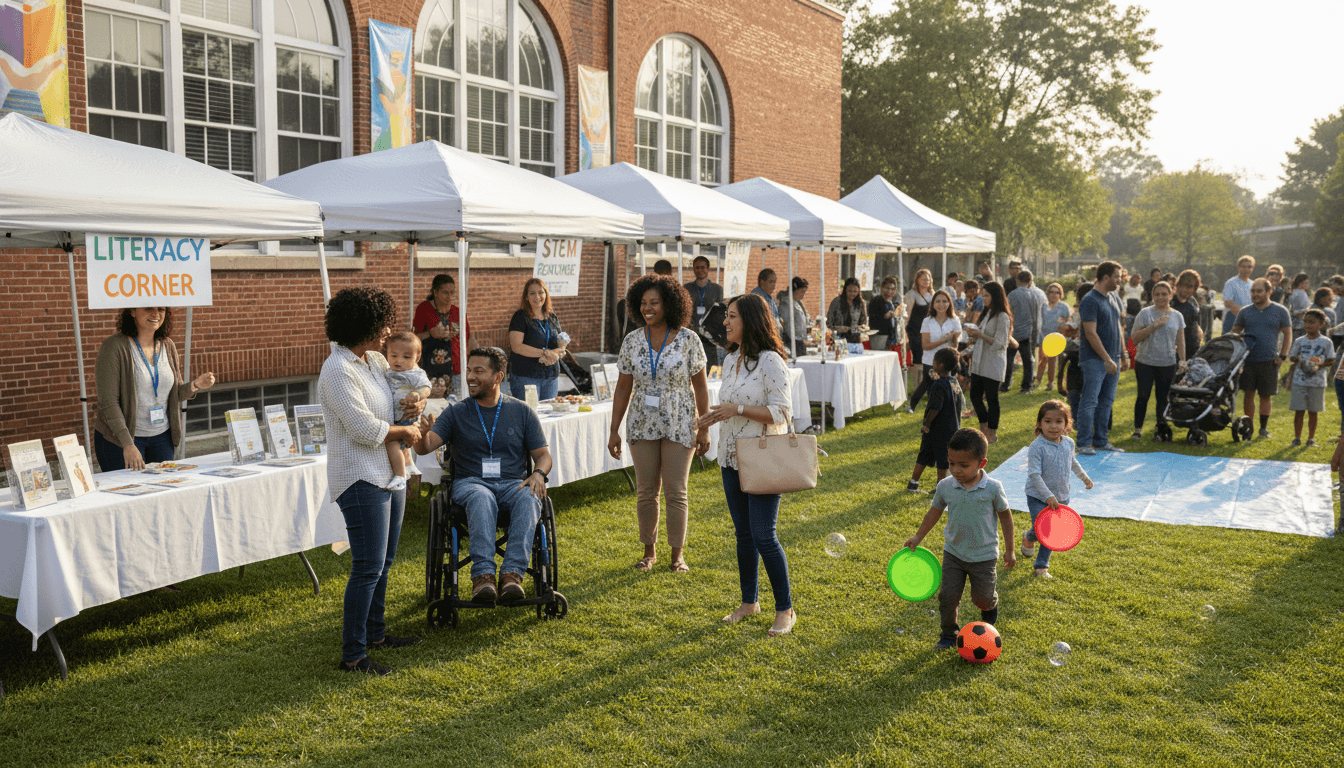
Cultural Community Liaison Newsletter: Building Bridges Between Schools and Diverse Families
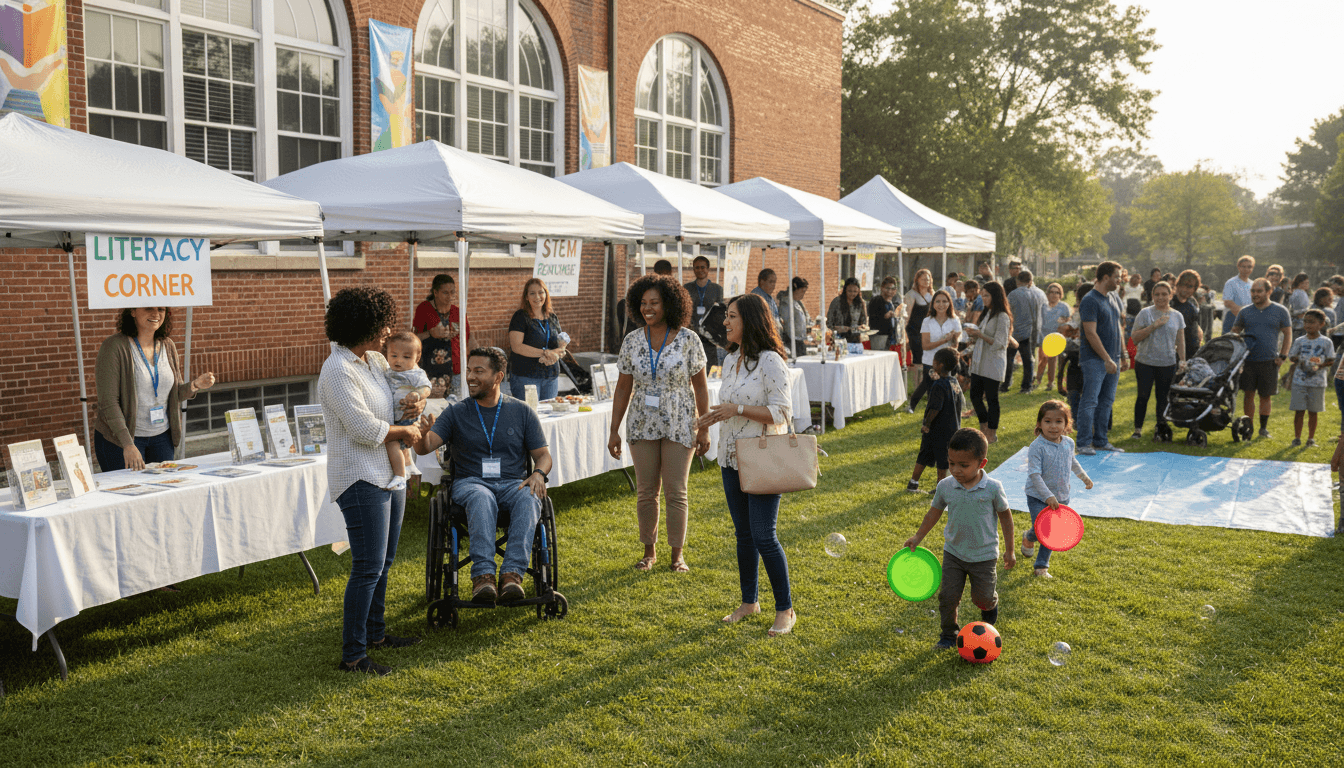
Cultural community liaisons hold one of the most trust-intensive roles in a school building. They are often the first person a newly arrived family meets, the person a confused family calls when they receive a form they do not understand, and the person who explains to a teacher why a family's communication style does not indicate disengagement. A newsletter that extends the liaison's reach amplifies one person's relationship-building capacity across a whole community.
Write for specific communities, not a generic diverse audience
The most effective cultural liaison newsletters are written for a specific community in that community's language and with that community's specific context in mind. A newsletter written for recently arrived Haitian families, in Haitian Creole, that addresses the specific school processes that differ from what Haitian families experienced in their home education system, is far more useful than a generic multicultural newsletter in English. Specificity is respect.
Navigate school processes that are confusing across cultures
Many school systems in the US operate differently from education systems in other countries in ways that are obvious to American-born families and invisible to recently arrived families. Parent-teacher conference expectations, homework policies, grading systems, how to request a teacher meeting, what IEP and 504 plans are, and how school advocacy works are all processes that benefit from explicit cross-cultural explanation. A newsletter that explains these processes in the family's language, with cultural context, reduces the misunderstandings that result when families navigate an unfamiliar system without a guide.
Celebrate cultural heritage through the newsletter
A liaison newsletter that acknowledges and celebrates the cultural heritage of the communities it serves builds the sense of belonging that increases family engagement. Upcoming cultural holidays acknowledged with respect. Community cultural events that families might participate in. Brief cultural history notes that connect community heritage to the school's diverse community. These recognitions signal that the school sees and values who its families are, not just who it wants them to become.
Connect families to the liaison directly
Every liaison newsletter should close with the liaison's contact information, the languages they speak, and a clear invitation for families to reach out. The newsletter extends the relationship but does not replace it. A family who reads the newsletter and wants individual guidance should be able to reach the liaison easily. That access is what makes the liaison role sustainable.
Share immigration and legal status resources carefully
Families with immigration concerns often need information about know-your-rights resources, legal aid organizations, and community support networks. This is some of the most important content a liaison newsletter can carry, and it requires careful handling. Work with legal aid partners to ensure the information is accurate and current. Frame resources around access and support rather than risk and fear. A family that feels the school is trying to help them feel safe in their community is a family that engages with the school.
Get one newsletter idea every week.
Free. For teachers. No spam.
Frequently asked questions
What is the role of a cultural community liaison in a school?
A cultural community liaison serves as a bridge between the school and families from specific cultural, linguistic, or immigrant communities. They help families navigate the school system, translate not just language but cultural context, advocate for culturally responsive practices, and build the trust that enables families to engage with the school without fear or confusion.
What should a cultural community liaison newsletter include?
Cultural heritage recognitions and upcoming cultural events at the school, navigation guidance for school processes that are confusing for families from different educational systems, resources available in community languages, how families can connect with the liaison for individual support, and recognition of community cultural contributions.
How do you write a newsletter that honors multiple cultural identities without tokenizing any of them?
Lead with the specific community you are addressing rather than writing for a generic diverse audience. A newsletter written for Somali families in their language that addresses their specific questions and resources is more effective than a newsletter that mentions all cultures briefly. Specificity honors. Tokenization averages.
How do you reach families who distrust institutional communication?
Build trust before sending newsletters. The liaison's relationship with community members precedes and enables the newsletter. Families who trust the liaison will open the newsletter. Families who do not know the liaison will not. Invest in the relationship through community presence first, then use the newsletter to maintain and extend the communication.
How does Daystage support multilingual liaison newsletters?
Daystage supports multilingual newsletter content so cultural community liaisons can send newsletters in Somali, Arabic, Spanish, or other community languages. This capability is essential for the liaison role because the families most in need of liaison support are often those who cannot read English communication effectively.

Adi Ackerman
Author
Adi Ackerman is a former classroom teacher and curriculum writer with 8 years in K-8 schools. She writes about school communication, parent engagement, and what actually works in real classrooms.
More for Community Outreach
Parent Community Liaison Newsletter: How Schools Use Liaisons to Reach Every Family
Community Outreach · 5 min read
Community Needs Assessment Newsletter: How Schools Can Gather and Communicate Community Input
Community Outreach · 5 min read
Local Business Apprenticeship Newsletter: Connecting Students with Real Work Experience Through Community Partners
Community Outreach · 5 min read
Ready to send your first newsletter?
3 newsletters free. No credit card. First one ready in under 5 minutes.
Get started free