
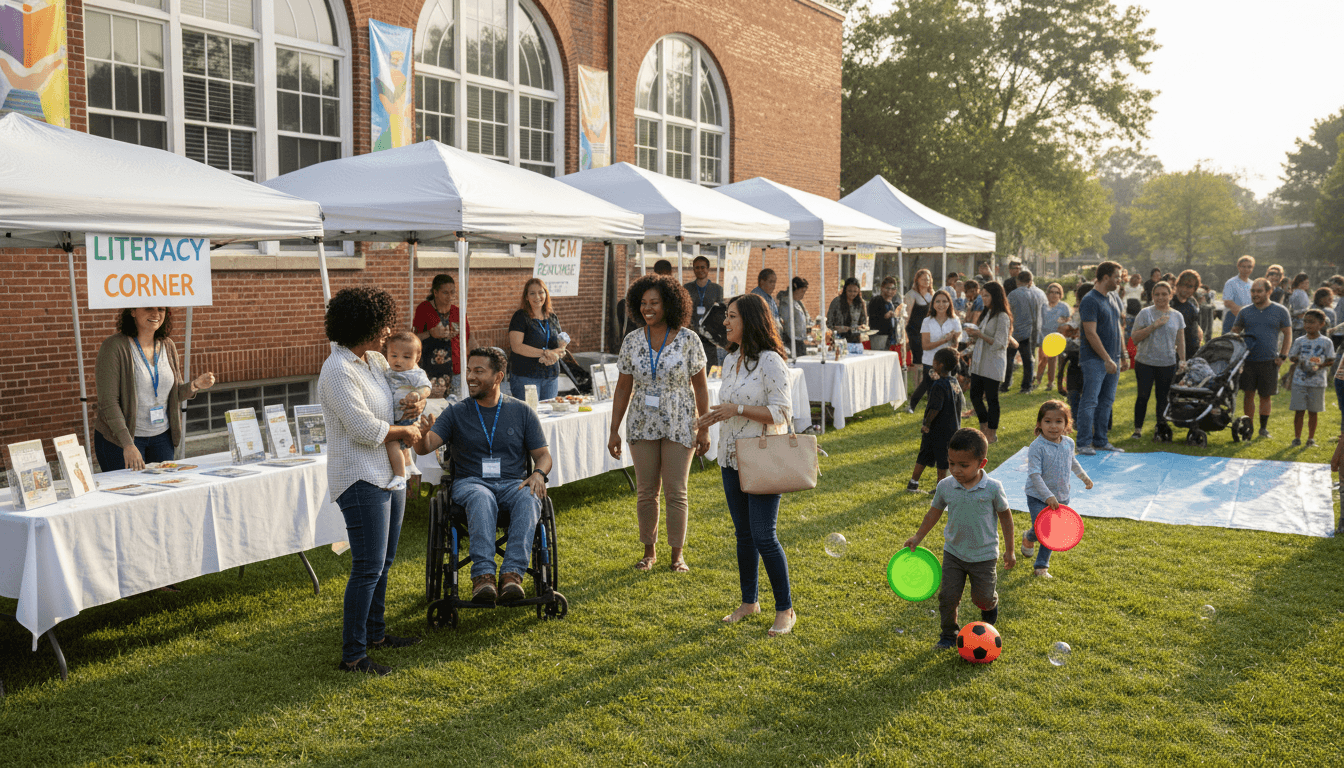
School Library Partnership Newsletter: Connecting Schools and Public Libraries
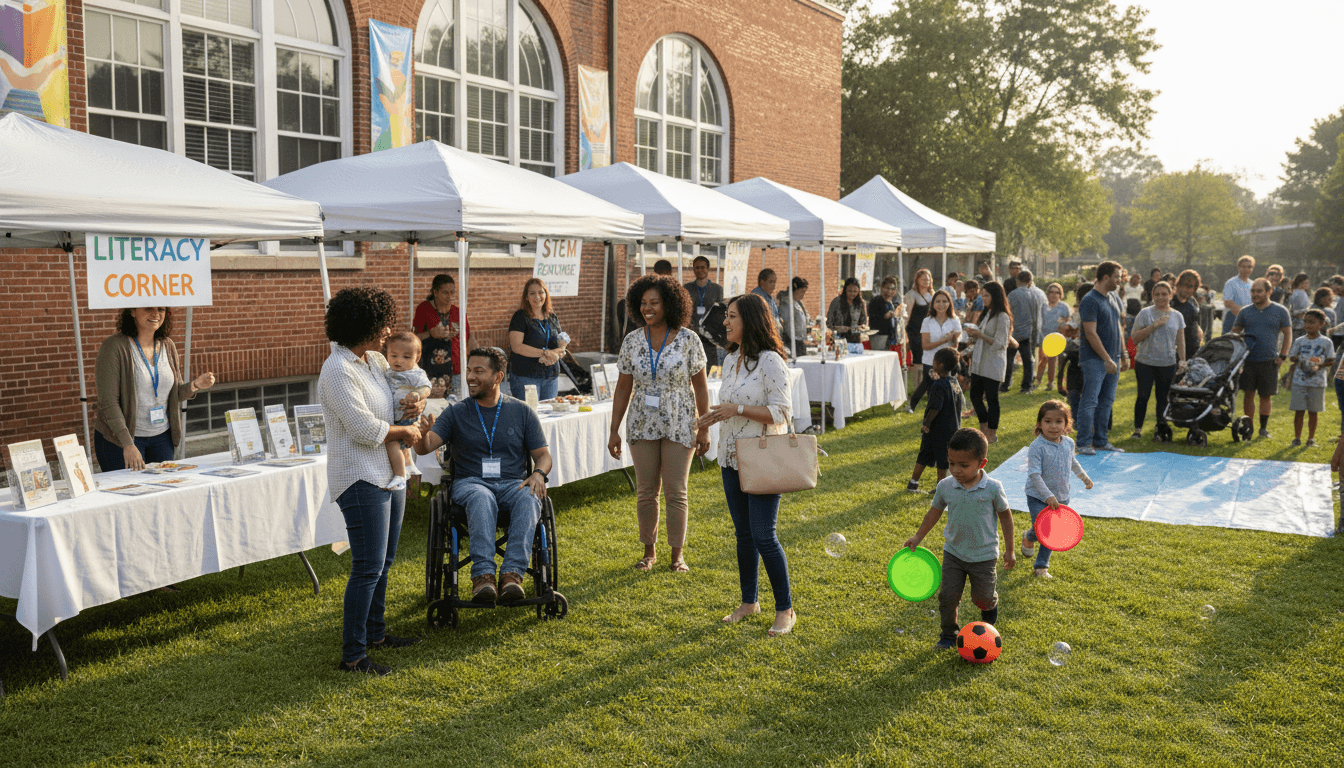
The public library is one of the most powerful free resources available to school families, and it is consistently underused by the families who need it most. A school-library partnership, communicated clearly through the school newsletter, puts the library in front of families who trust the school but have not yet connected with the library as an institution for their family.
Make the Library Card the First Goal
Every other library benefit, the collections, the programs, the digital resources, the homework help, is inaccessible without a library card. A newsletter that focuses first on getting every family a library card is more impactful than one that promotes library programs to families who cannot access them.
A library card enrollment event at the school, where a librarian comes to the pickup line or the family event and signs families up on the spot, removes the activation cost that prevents families from going to the library to enroll. Make the enrollment event the lead item in the partnership newsletter.
Connect Library Resources to What Students Are Currently Studying
A newsletter that describes library resources in the abstract is less effective than one that connects those resources to what students are doing in class right now. "Your child's class is studying the American Revolution. The public library has 14 books on that subject available for checkout, plus three audiobook versions for students who prefer listening. You can place holds online with your library card."
That connection transforms the library from a general resource into a specific tool for this week's learning. It also gives families something concrete to do rather than a general nudge to use the library more.
Highlight Digital Access for Families Who Cannot Visit in Person
Many public libraries provide access to digital books, audiobooks, magazines, and streaming services through a library card, all usable from home. Families who know about these resources and have a library card can access them without transportation.
"With a free library card, your child can access thousands of digital books and audiobooks from home through the Libby app. There is no cost and no late fees on digital loans." That is a meaningful benefit for families who face transportation or scheduling barriers to library visits.
Promote Summer Reading Early
Summer reading loss, the academic regression that happens during the unstructured summer months, is significantly mitigated by sustained reading over the summer. Public libraries run summer reading programs specifically to address this. A school newsletter that promotes the public library's summer program in May and June, when families are still making summer plans, achieves something the library's own outreach rarely manages: advance enrollment by families who might otherwise discover the program too late.
Report Joint Program Results to Both Communities
When a school-library partnership produces results, both the school community and the library community benefit from knowing about them. A newsletter note that says "This year, 312 students from our school enrolled in the summer reading program at Oak Street Library, up from 89 last year" celebrates a shared achievement and builds the case for continuing the partnership in future years.
Get one newsletter idea every week.
Free. For teachers. No spam.
Frequently asked questions
What do school-public library partnerships typically include?
Common elements include library card enrollment drives at the school, coordinated summer reading programs between the school library and the public library, author visits co-hosted by both institutions, shared reading challenges, classroom visits by public library staff, outreach to families about digital library resources, and homework help programs at the public library aligned with school curriculum. The depth of partnership depends on how formal the collaboration is and how much staff time both sides can commit.
How do you communicate a library card enrollment drive in a school newsletter?
Include the enrollment date, location, what families need to bring, who is eligible, and what a library card provides access to. 'On November 14, a librarian from the Oak Street Public Library will be at our school from 2:00 to 5:00 PM to sign families up for free library cards. Any family with a school-enrolled student is eligible. Bring one piece of ID. Cards provide access to the library's full collection, digital books, audiobooks, and streaming services.' That is a complete enrollment announcement.
Why is the school newsletter an important channel for public library outreach?
Public libraries serve the same families as schools but often struggle to reach them through their own channels, particularly immigrant families, families new to the community, and families who do not visit the library independently. The school newsletter reaches families who already trust the school. A library announcement embedded in the school newsletter receives a level of attention and credibility the library cannot generate on its own through posted flyers or local press.
How do schools communicate about digital library resources for families without reliable home internet?
Acknowledge the access barrier in the newsletter. List library branches that are accessible by public transit. Mention that the library itself offers free wi-fi and computer access during open hours. Note any hotspot lending programs the library may offer. Do not communicate about digital resources without acknowledging that not every family can access them from home and pointing to the physical library as the alternative.
How does Daystage support school-library partnership newsletters?
Daystage allows schools to embed library event announcements, card enrollment drives, and summer reading program details into their standard newsletter cadence without requiring a separate communication. Multilingual sending ensures library access information reaches families for whom English literacy barriers might otherwise prevent library engagement, families the library partnership is specifically designed to serve.

Adi Ackerman
Author
Adi Ackerman is a former classroom teacher and curriculum writer with 8 years in K-8 schools. She writes about school communication, parent engagement, and what actually works in real classrooms.
More for Community Outreach
Cultural Community Liaison Newsletter: Building Bridges Between Schools and Diverse Families
Community Outreach · 6 min read
School Community Book Drive Newsletter: Organizing, Promoting, and Reporting Results
Community Outreach · 5 min read
School Foundation Newsletter: How to Communicate Impact Without Sounding Like a Fundraising Pitch
Alumni & Boosters · 6 min read
Ready to send your first newsletter?
3 newsletters free. No credit card. First one ready in under 5 minutes.
Get started free