
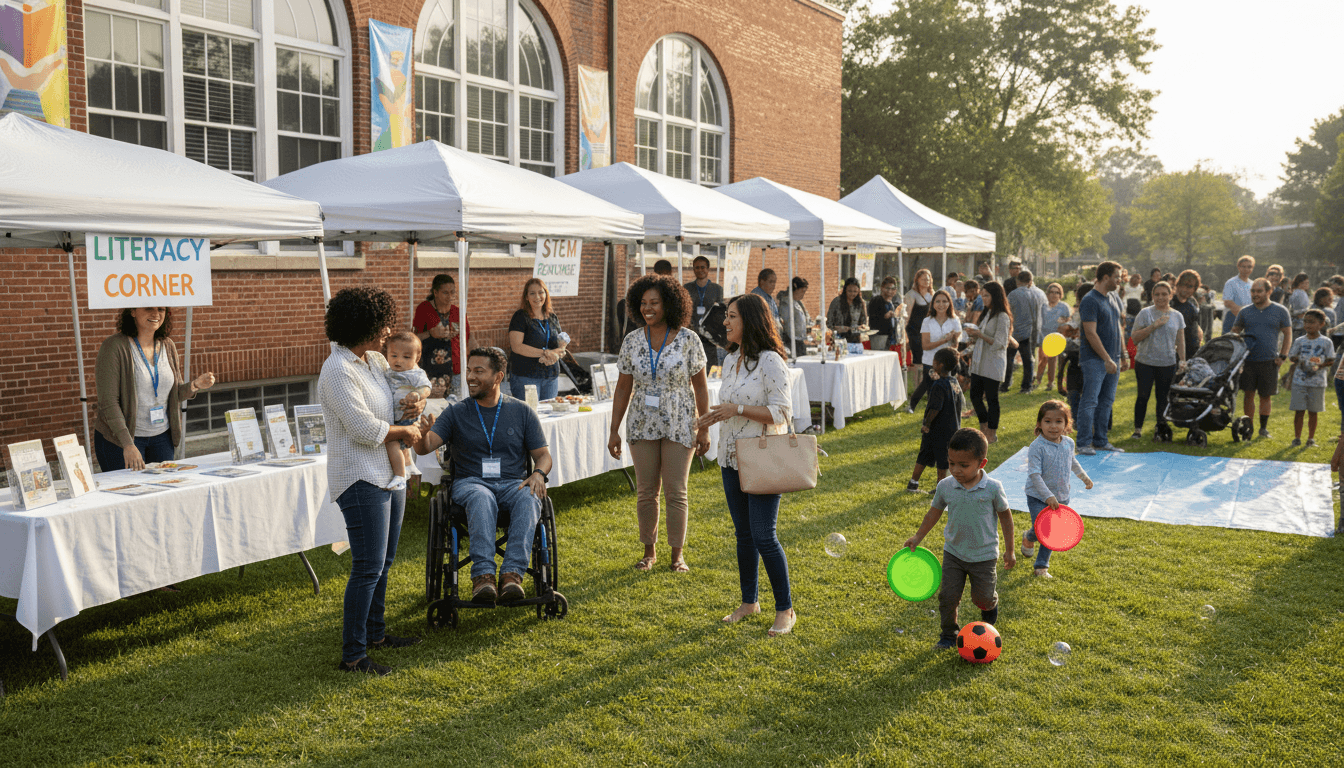
School Community Newsletter Guide: How to Build a Communication Strategy That Reaches Beyond Families
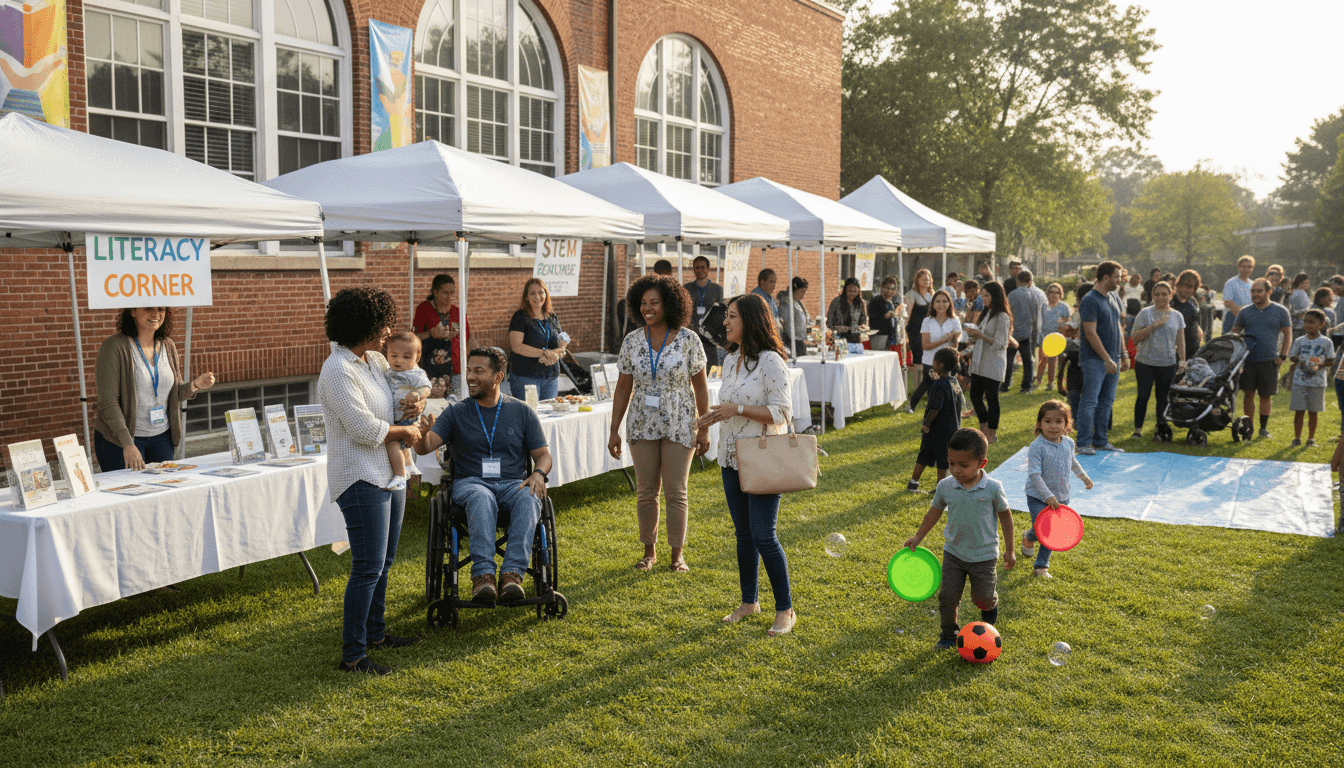
A school that communicates only with enrolled families is leaving significant community investment on the table. Local businesses, neighborhood associations, faith communities, nonprofits, and individual residents are potential partners for mentorship programs, resources, volunteer time, and financial support. The school community newsletter is the tool that builds those relationships systematically rather than relying on personal connections and one-off asks.
Here is how to build a community newsletter that expands your school's reach beyond the families who are already inside the building.
Define your community audience before you write
A community newsletter serves a different audience than a school newsletter. Your readers are not all parents who know your school's routines, culture, and calendar. Some are neighborhood residents who pass the building every day but have never been inside. Some are business owners who want to support local education but do not know how. Some are elected officials who need to know what is happening in schools before they make decisions that affect them.
Write with this broader audience in mind. Assume some readers have no context for what your school does. Give them that context, then give them a reason to care.
Position the school as a community asset
The most effective school community newsletters do not ask for things. They offer visibility, connection, and impact. Show community readers what the school is doing for the neighborhood: students who volunteer locally, teachers who participate in community events, programs that serve families beyond school hours. Position the school as an institution that gives back to the community, and the community will want to give back to the school.
Profile one community partnership per issue
The most compelling content in a community newsletter is a real story about a real partnership. A local hardware store that donated tools for a design technology class. A neighborhood organization that mentors students through a career exploration program. A faith community that provides free tutoring on Saturday mornings. Profile these partnerships in detail, including the impact on students and the specific contribution of the partner. These stories show other community members what partnership looks like and what it accomplishes, which makes the implicit invitation to participate concrete.
Include a clear call to action for prospective partners
Every community newsletter should close with a specific invitation. Not just a general "we welcome community support" but a specific: "we are looking for two or three local business owners to mentor students in our career exploration program this spring" or "we are seeking a community partner to co-sponsor our fall literacy fair." Specific asks get specific responses. General invitations get general goodwill without action.
Build the mailing list intentionally
A community newsletter only reaches the community if you actively build a list that includes non-school-family recipients. Ask partner organizations to share it with their networks. Put a signup link in your school office, on the school website, and in your building. Invite local leaders directly. A mailing list that includes only current families is a school newsletter. A mailing list that includes businesses, civic organizations, and neighborhood residents is a community newsletter.
Get one newsletter idea every week.
Free. For teachers. No spam.
Frequently asked questions
Who should receive a school community newsletter?
School families are the core audience, but community newsletters reach further: local business owners, neighborhood residents, faith community leaders, elected officials, nonprofit organizations, and community volunteers. The more broadly you define your audience, the more partners you can activate and the more community investment you build around the school.
How is a community newsletter different from a standard school newsletter?
A standard school newsletter is written for current school families. A community newsletter is written for a broader audience that includes people with no children in the school. The tone is more outward-facing, the content includes partnership opportunities, and the framing positions the school as an asset to the neighborhood, not just to enrolled families.
How often should schools send a community newsletter?
Quarterly is a sustainable starting point for most schools. Monthly is better for schools with active community programs and partnerships that generate regular news. Start with quarterly, establish the habit and the audience, then increase frequency if you have the content to sustain it.
What should the first community newsletter include?
An introduction to the school and its community mission, the specific types of partnerships the school is interested in building, a profile of one existing community partner and what they contribute, an invitation to learn more or get involved, and contact information for the community liaison or principal.
Can Daystage support community newsletters alongside regular school newsletters?
Yes. Daystage supports multiple newsletter types from a single account, so the same platform that teachers use for classroom newsletters and principals use for school-wide communications can also distribute a community newsletter to a broader audience of partners and stakeholders.

Adi Ackerman
Author
Adi Ackerman is a former classroom teacher and curriculum writer with 8 years in K-8 schools. She writes about school communication, parent engagement, and what actually works in real classrooms.
More for Community Outreach
Community Safety Program Newsletter: How Schools Can Communicate Neighborhood Safety Partnerships
Community Outreach · 5 min read
Neighborhood School Newsletter: Building Local Identity and Community Pride Around Your School
Community Outreach · 5 min read
School Community Leadership Training Newsletter: Building Parent and Family Leaders
Community Outreach · 5 min read
Ready to send your first newsletter?
3 newsletters free. No credit card. First one ready in under 5 minutes.
Get started free