
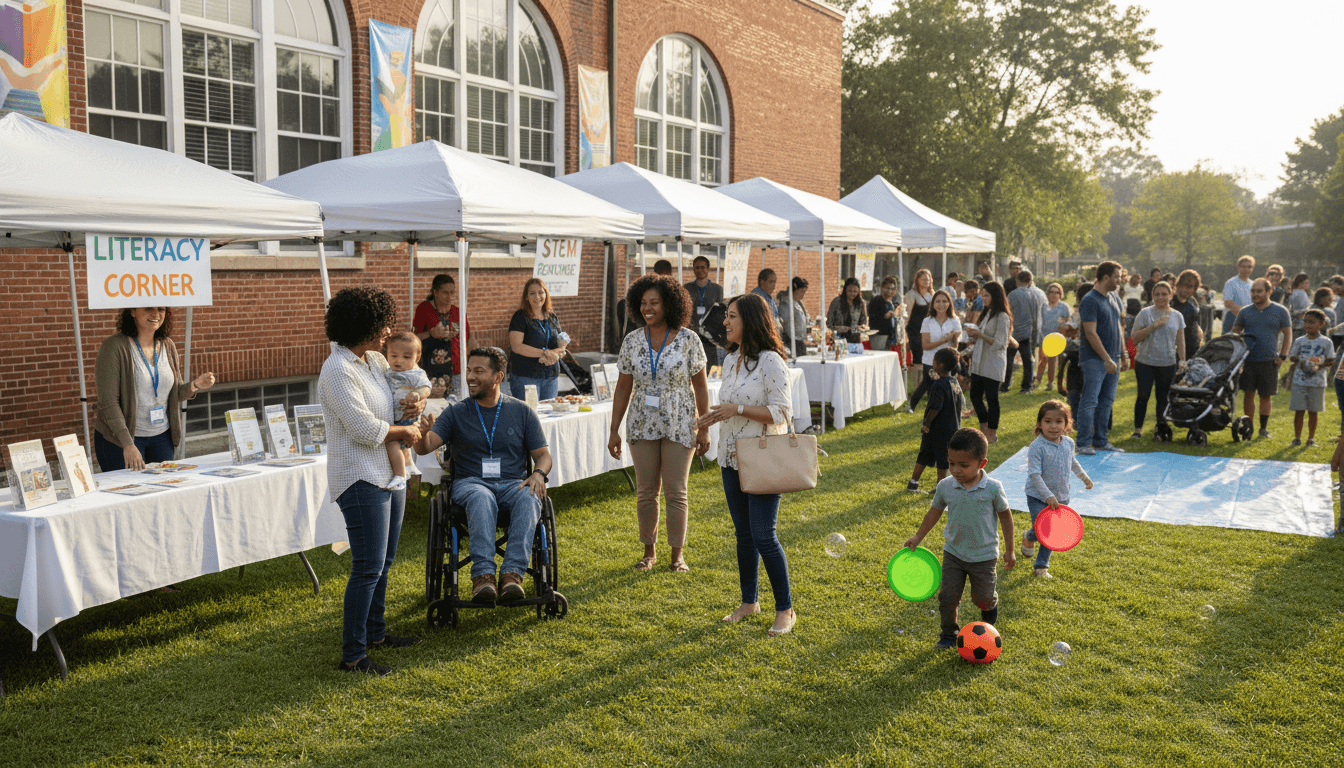
Neighborhood School Newsletter: Building Local Identity and Community Pride Around Your School
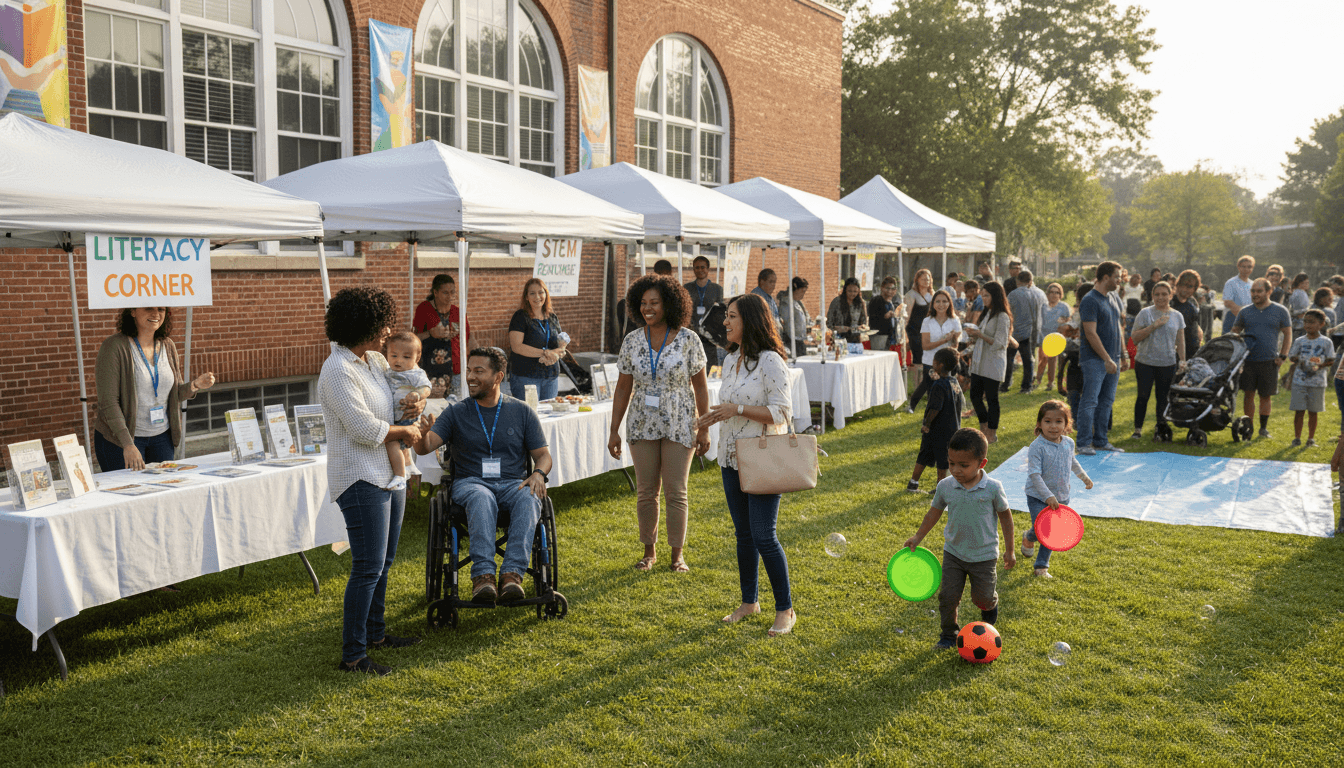
A school has a geography, a history, and a relationship to the neighborhood it serves that most schools never communicate. The families whose parents attended the same building. The streets the students walk every morning. The community events the school has been part of for decades. A neighborhood school newsletter makes this context visible and builds the local identity that transforms a school from a building families use into an institution the community is proud of.
Tell the school's story in the neighborhood context
A school with history in its neighborhood has stories that connect current students to the community that came before them. Alumni who grew up in the neighborhood and now send their own children to the same school. Community events the school has anchored for thirty years. Murals on the building walls that were painted by students who are now in their thirties. These stories make the school feel permanent and rooted in a way that annual test score reports never can.
Celebrate neighborhood landmarks through student work
Student projects that engage with neighborhood history, geography, and culture are one of the most natural bridges between the school and the broader community. A fourth grade class that mapped the neighborhood's history. A middle school art class that painted murals celebrating local cultural heritage. A high school journalism class that profiled neighborhood business owners. These projects, described in the neighborhood newsletter, show community members that the school sees and celebrates the community it serves.
Invite neighborhood residents to school events as community members
School performances, art shows, cultural festivals, and community garden harvests are all events that neighborhood residents without enrolled children can genuinely enjoy. A neighborhood newsletter that includes these events with an explicit note that the school welcomes all community members, not just school families, expands the event audience and builds the connection that sustains community investment.
Profile long-term community-school connections
Retired teachers who still live in the neighborhood. Local business owners who attended the school as children. Community leaders who have volunteered at the school for fifteen years. These profiles connect current families and residents to the school's longer history and signal that the school is worth investing in for the long term.
Show how the school invests in the neighborhood in return
A neighborhood school newsletter that only describes what the school receives from the community misses the most important part of the story. Describe what the school gives back: students who volunteer at local organizations, alumni who go on to professional careers that benefit the community, cultural events that enrich neighborhood life, and community programs hosted at the school facility. The neighborhood relationship is reciprocal, and communicating that reciprocity is what builds the mutual investment that sustains it.
Get one newsletter idea every week.
Free. For teachers. No spam.
Frequently asked questions
What is a neighborhood school newsletter?
A neighborhood school newsletter goes beyond school families to reach the broader community: nearby residents, local businesses, neighborhood associations, and community leaders. It communicates the school's connection to the neighborhood it serves and builds the local identity that makes a school a community institution rather than just a building.
What content is appropriate for a neighborhood school newsletter versus a family newsletter?
Neighborhood newsletter content includes the school's history in the community, profiles of community members whose connection to the school spans decades, student projects that benefit the neighborhood directly, school programs open to community participation, and the school's role in upcoming neighborhood events. This content is different from curriculum updates and attendance policies that are relevant only to enrolled families.
How do neighborhood newsletters increase community support for schools?
Community members who feel connected to a school and who understand its role in the neighborhood are more likely to vote for school funding measures, advocate for the school with local officials, volunteer their time, and donate resources. Neighborhood identity is one of the most reliable predictors of community investment in education.
How do you build a mailing list for a neighborhood newsletter that includes non-school families?
Start with neighborhood associations who may share the newsletter with their members. Include a newsletter signup in the school reception area and on the school website. Partner with local libraries, community centers, and faith communities to promote the newsletter. Build the list incrementally rather than waiting for a complete list before starting.
How does Daystage support neighborhood newsletters alongside regular school communications?
Daystage lets schools maintain a neighborhood contact list separately from the enrolled family list and send different newsletters to each. The principal can send the monthly family newsletter to enrolled families and the quarterly neighborhood newsletter to the broader community without mixing the two lists.

Adi Ackerman
Author
Adi Ackerman is a former classroom teacher and curriculum writer with 8 years in K-8 schools. She writes about school communication, parent engagement, and what actually works in real classrooms.
More for Community Outreach
School Foundation Newsletter: How to Communicate Impact Without Sounding Like a Fundraising Pitch
Alumni & Boosters · 6 min read
Alumni Community Newsletter: How Schools Can Engage Graduates as Community Partners and Mentors
Community Outreach · 5 min read
Senior Citizen Partnership Newsletter: How Schools Build Intergenerational Community
Community Outreach · 5 min read
Ready to send your first newsletter?
3 newsletters free. No credit card. First one ready in under 5 minutes.
Get started free