
School Community Garden Newsletter: Growing with Neighbors
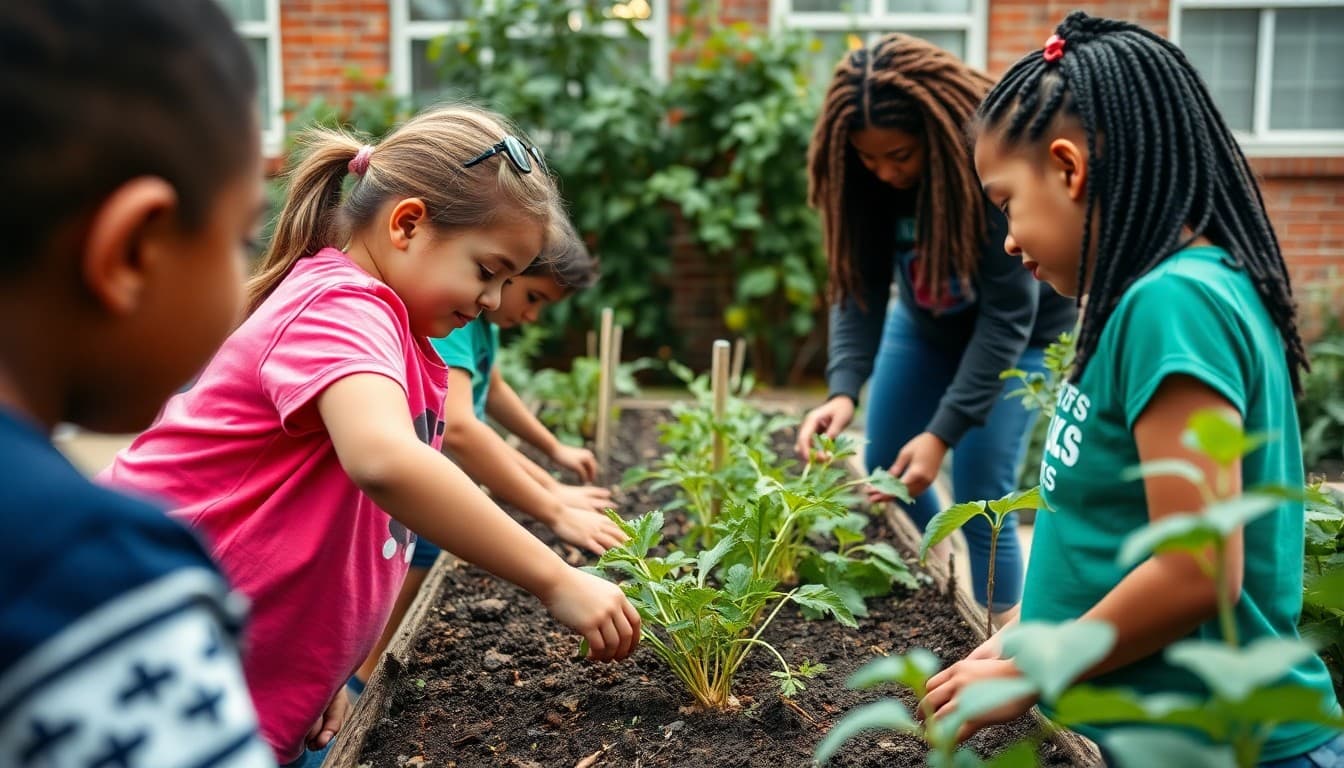
A school community garden is one of the few physical spaces where students, families, neighbors, and local organizations share a common project. When a third grader plants a bean seed, a retired teacher who volunteers on Saturday mornings waters it, a community cook uses the harvest in a dinner program, and a family takes home zucchini at the end of October, the garden has done something that no single classroom program can: it has connected people across generations and roles through a shared living thing. A garden newsletter documents that story and invites more people into it.
What Makes School Gardens Community Spaces
The difference between a school garden and a community garden on school grounds is intentional design and shared ownership. A school garden that is only accessible during school hours and maintained only by teachers and students is a school program. A garden where neighbors volunteer on weekends, community organizations have plots, and the harvest is shared with the broader community is a community institution that happens to be on school grounds. The distinction matters for how you communicate about it. A newsletter that invites community participation is fundamentally different from one that announces a school activity.
Curriculum Connections Worth Communicating
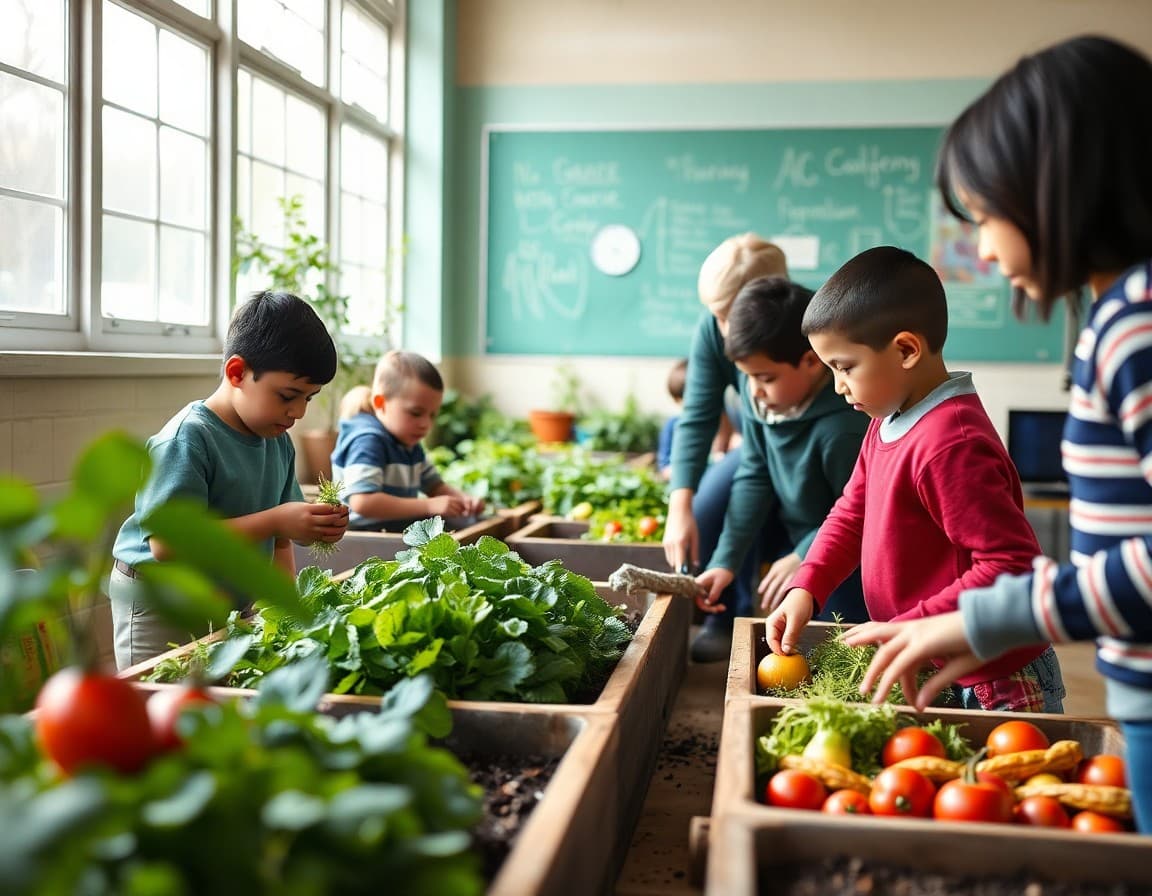
Most families assume garden time is enrichment rather than core learning. Your newsletter can shift that by naming the specific academic standards addressed through garden activities. Students measuring the growth rate of different tomato varieties are applying math measurement skills. Students documenting soil temperature and plant growth in garden journals are practicing scientific observation. Students researching which plants grow well together and which do not are building research skills and learning ecology. When you describe these connections specifically, families stop seeing garden time as a break from school and start seeing it as a field lab where academic skills get applied to living systems.
Volunteer Opportunities for Every Skill Level
One of the most valuable things a garden newsletter can do is match community members to volunteer roles that fit their skills and availability. Not every volunteer has gardening expertise. Describe a range of roles. Experienced gardeners can mentor students on specific growing techniques and troubleshoot plant health issues. People with physical strength can help with bed-building, composting, and heavy material moving. Administrative skills help with grant applications, supply ordering, and event coordination. Families with limited time can contribute a single Saturday morning workday rather than a weekly commitment. And anyone can volunteer at harvest events regardless of gardening knowledge. A volunteer ask that matches people to specific needs is far more effective than a generic request for help.
Harvest Sharing and Food Justice Connections
What happens to the food students grow deserves a prominent place in your newsletter. If some produce goes to the school cafeteria, describe which menu items feature it. If students take home vegetables, describe what a typical bag includes and when distribution happens. If surplus is donated to a local food pantry or community kitchen, name the receiving organization and the approximate amount donated each season. These impact numbers tell a story about what the garden contributes beyond education. A garden that has donated 200 pounds of produce to a local food pantry in a single season is not just a school program. It is a food justice intervention, and communicating that clearly changes how families and community members understand their involvement.
Sample Template Excerpt
Here is a section you can adapt for your own newsletter:
Fall Harvest Day: Celebrate What We Grew Together
Our school community garden harvest celebration is Saturday, October 26th from 10 AM to 1 PM. Everyone is invited.
What to expect: Fresh-picked produce available for every family who attends. Cooking demonstrations using garden ingredients. Student-led garden tours. A composting workshop for families who want to start at home.
This season's impact: Students in grades K-4 have tended the garden since April. This fall we are harvesting approximately 180 pounds of tomatoes, zucchini, kale, green beans, and herbs. Forty pounds will go to families at today's event. Eighty pounds are being donated to the Riverside Food Pantry. The rest goes to the school cafeteria for three special harvest menu days in November.
Join us as a volunteer: We need 10 additional volunteers for our weekly maintenance crew through November. Email [contact] if you can commit to two hours on any Wednesday afternoon.
Sustaining the Garden Through Winter
A garden newsletter in fall is incomplete without a note about what happens over winter. If your school runs a winter garden with cold-hardy crops or a hoop house, describe it. If the garden goes dormant, describe how it will be prepared for winter and when spring planning begins. If volunteers can do winter composting or infrastructure projects, mention those opportunities. Families and community members who feel connected to the garden year-round are more invested than those who only hear about it during the growing season. The garden's story does not end in October. It just moves to a different chapter.
Get one newsletter idea every week.
Free. For teachers. No spam.
Frequently asked questions
What does a school community garden program involve?
A school community garden program creates outdoor growing spaces that students tend as part of their learning, often with involvement from neighborhood community members. Programs typically include classroom curriculum integration (science, math, nutrition, environmental education), student-led growing projects, community volunteer workdays, harvest events where produce is shared or donated, and partnerships with local restaurants, food banks, or farmers markets. The community component means the garden serves the neighborhood beyond school hours.
What do students learn in a school garden?
School gardens address multiple curriculum areas simultaneously. Science: plant biology, soil ecosystems, weather patterns, composting. Math: measuring beds and yields, tracking growth data, budgeting seed purchases. Social studies: food systems, local food production, agricultural history. Nutrition: identifying vegetables, understanding where food comes from. Language arts: garden journals, research on specific plants, writing recipes. Environmental education: sustainability, water conservation, ecosystem relationships. A well-integrated garden program delivers authentic learning that connects abstract concepts to tangible, living systems.
How do community members get involved in a school garden?
Community involvement in school gardens typically includes weekend and evening volunteer workdays for planting and maintenance, donations of tools, seeds, or supplies, participation in harvest events, and in some programs, community plots or allotments within the larger garden space that neighbors tend themselves. Senior volunteers with gardening expertise are often some of the most valuable contributors. Retired farmers, master gardeners, and experienced home gardeners bring knowledge that few school staff possess.
What happens to the produce from a school garden?
School garden produce is typically distributed in several ways: used in school cafeteria meals, given to students to take home, donated to a local food bank or community kitchen, sold at a school farmers market to fund future garden projects, or used in school cooking or nutrition education activities. The distribution plan should be described in your newsletter so families and community volunteers understand the full impact of the garden beyond its educational function.
How does Daystage support school garden program communication?
Daystage makes it easy to send a school garden newsletter with photos from recent workdays, produce donation updates, volunteer opportunity announcements, and harvest event invitations. Schools that document their garden journey through regular newsletters build community investment in the program over time. Families and community members who see the garden growing through newsletter updates are more likely to volunteer, donate, and attend events than those who only hear about the program through the school website.

Adi Ackerman
Author
Adi Ackerman is a former classroom teacher and curriculum writer with 8 years in K-8 schools. She writes about school communication, parent engagement, and what actually works in real classrooms.
More for Community Outreach
Ready to send your first newsletter?
3 newsletters free. No credit card. First one ready in under 5 minutes.
Get started free