
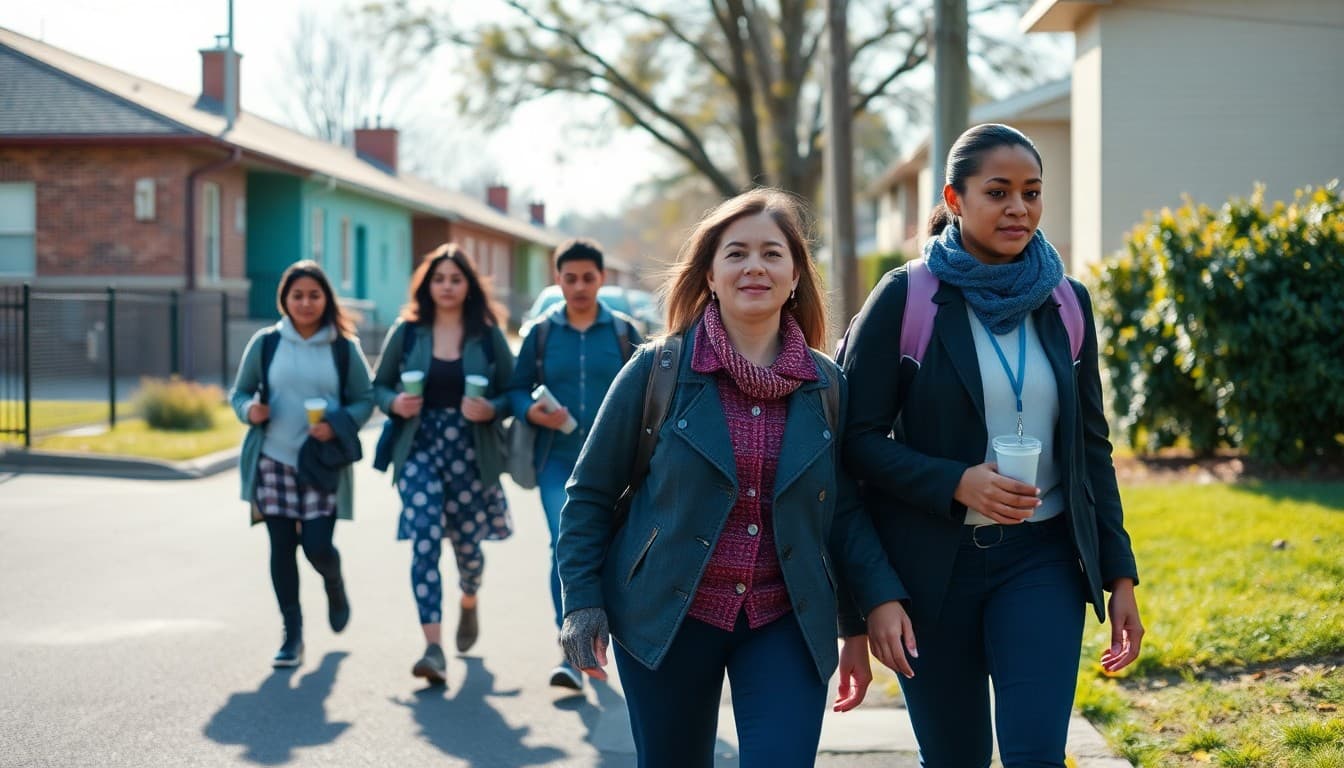
School Neighborhood Walk Newsletter: Community Connections
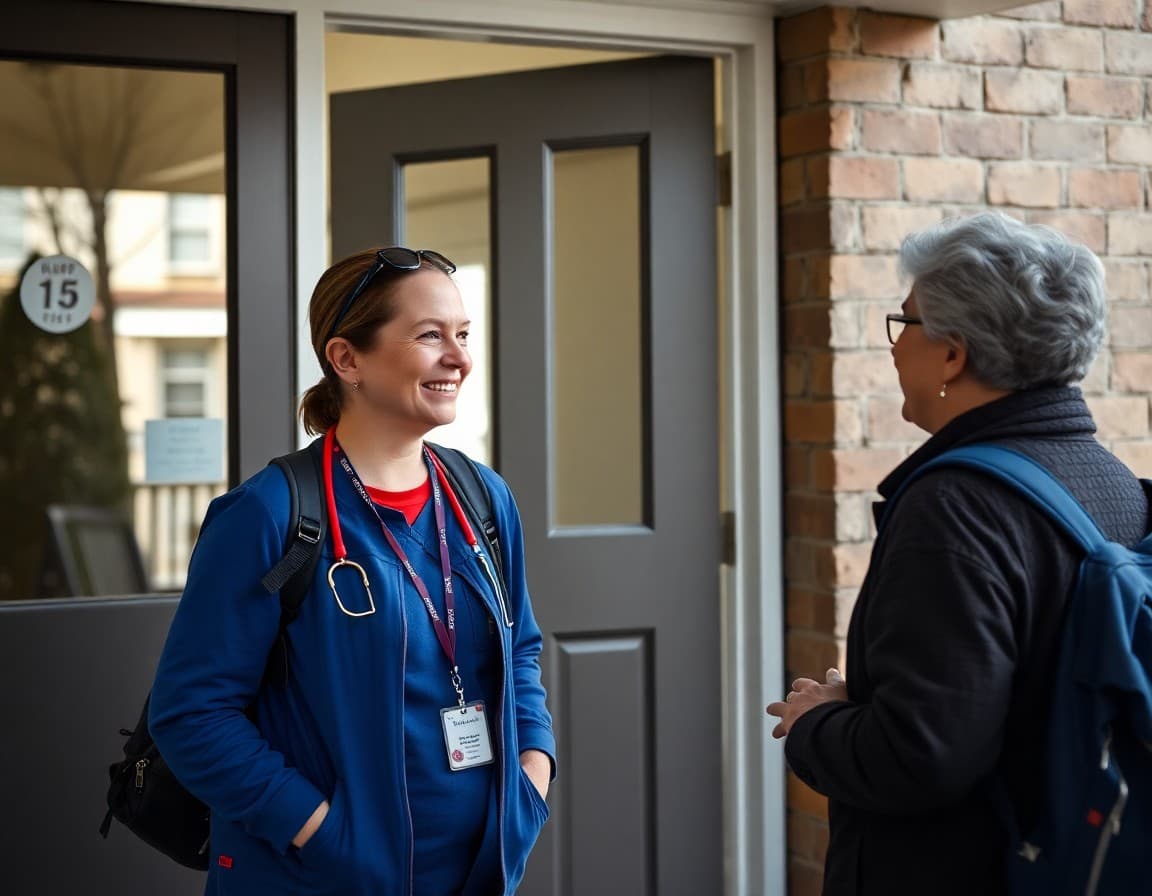
The families who most need to connect with school are often the hardest to reach through conventional communication. Emails sit unread. Newsletters get lost in backpacks. School events require transportation that not every family has. Neighborhood walks take school staff out of the building and into the community, meeting families where they actually are. A newsletter about this outreach strategy explains the effort to families who will be surprised and touched to hear their school is coming to them, and it signals to the broader community that the school is genuinely invested in the relationships it says matter.
Why Conventional Communication Misses Some Families
Every school has a subset of families that the newsletter never reaches. Some families do not have consistent email access. Some primary caregivers do not speak English and the school does not have translation support for every communication. Some families have had negative past experiences with schools and approach school contact with distrust. Some families are dealing with housing instability, work schedules, or caretaking responsibilities that make school engagement feel like an unreachable luxury. Neighborhood walks acknowledge these realities honestly and do something about them rather than waiting for all families to come to the school on the school's terms.
What Neighborhood Walks Actually Look Like
Describe the specifics for your community. Which neighborhoods or blocks will staff walk? When will walks take place, and how long? Who will be on the walking teams? What materials will they carry? What languages do staff speak? What happens if a family is not home? Do staff leave a door hanger or note? Families who receive this newsletter deserve to understand what to expect if a teacher or counselor knocks on their door or stops them on the street. A visit that families know is coming and understand the purpose of is more likely to result in a productive conversation than one that arrives without context.
What Staff Are Listening For
The best neighborhood walks are listening exercises, not information delivery sessions. Staff who go out with a script to recite about school programs miss the point. The goal is to understand what families need, what barriers they face, and how the school can serve them better. Questions like "Is there anything about our school that has been hard to navigate?" or "What would make it easier for you to stay connected to what is happening for your child?" produce insights that no survey or focus group can match. Your newsletter can describe this listening orientation so families understand that the school is seeking their input, not just extending its reach.
What Schools Have Learned From Neighborhood Walks
If your school has done neighborhood walks before, share what you learned. Did families consistently mention a transportation barrier to school events? A language barrier in school communications? A specific time of year when family connection is hardest? Concrete lessons that the school acted on after previous walks demonstrate that the outreach was genuine rather than performative. A newsletter that says "Last year's walks showed us that many families wanted earlier notification of parent conferences, so we changed our communication timeline" shows families that their input produced visible change.
Sample Template Excerpt
Here is a section you can adapt for your own newsletter:
Our Teachers Are Coming to You: Neighborhood Walks This Month
On October 5th and 12th, teams of teachers and family liaisons from our school will walk neighborhoods surrounding the school to meet families and hear directly from the community about how we can serve our students better.
What this is: A listening visit. We want to hear from families about what is working and what we can do better. We are not checking in on student behavior or attendance. We are not there to deliver news. We are there to connect.
Who will be there: Teams of two to three staff members, including at least one Spanish-speaking staff member on each team. We will have information about school programs, upcoming events, and community resources to share if families are interested.
What to expect if we knock: A brief, friendly conversation. We will introduce ourselves, let you know we are from the school, ask how things are going, and listen. We will leave our contact information if you have questions or want to follow up. If you are not home, we will leave a note.
You can also reach us first: If you would like to schedule a time for us to stop by, email [contact]. We want to make sure we connect with families across our whole neighborhood.
Following Up on What Families Tell You
The most important part of a neighborhood walk happens afterward. Staff who go out and listen must bring what they heard back to the school and act on it. If multiple families mention that the school pickup area is unsafe at dismissal, that concern needs to reach the principal and the facilities team. If families consistently say they do not understand the homework system, that is curriculum communication feedback that should reach department heads. And the school should send a follow-up newsletter after neighborhood walks are complete, describing what was heard and what the school is changing as a result. This loop, from listening to action to communication back, is what transforms a neighborhood walk from an outreach activity into a genuine relationship with the community.
Get one newsletter idea every week.
Free. For teachers. No spam.
Frequently asked questions
What is a school neighborhood walk and why do schools do them?
A school neighborhood walk is an organized outreach effort where teachers, counselors, or school staff walk the neighborhoods surrounding the school to make direct contact with families who are not regularly engaged with school communication. The goal is relationship-building, not home inspection or truancy enforcement. Neighborhood walks are particularly effective for reaching families who do not respond to emails or newsletters, who have had negative past experiences with schools, or who face barriers to attending school events.
How do neighborhood walks differ from home visits?
Neighborhood walks are community presence activities where staff walk streets and common areas, stopping to talk with families they encounter rather than arriving at specific homes with an appointment. Home visits are scheduled meetings at a family's residence, usually involving a teacher and a family liaison. Both are effective engagement strategies but serve different purposes. Walks build ambient community presence and trust. Home visits build deeper individual relationships and address specific student concerns. A newsletter might announce both as complementary strategies.
What training do staff need before neighborhood walks?
Effective neighborhood walk programs train staff in asset-based community engagement approaches: how to listen more than talk, how to express genuine curiosity about the community without making assumptions, how to respond to a family's concern without committing to things outside their authority, and how to follow up effectively after a conversation. Staff should also be briefed on neighborhood resources, school programs, and current priorities so they can share accurate information when families ask questions.
How do schools communicate about neighborhood walks to families who are not typically engaged?
This is the central challenge. The families most likely to benefit from a neighborhood walk are the least likely to read the school newsletter announcing it. For this reason, neighborhood walk communication should use multiple channels: the newsletter reaches engaged families who can share the information, direct calls and texts to specific families complement the newsletter, and community partners like churches, community centers, and neighborhood associations can spread the word to their networks. The newsletter is one part of the outreach, not the whole strategy.
How does Daystage support neighborhood walk communication?
Daystage helps schools send a neighborhood walk announcement to all families in a professional, well-formatted newsletter. For families already engaged with school communication, the newsletter provides transparency about what the school is doing in the community and why. After neighborhood walks are completed, Daystage can help schools send a follow-up summary noting what was learned, what resources were shared, and what next steps the school is taking based on family input during the walks.

Adi Ackerman
Author
Adi Ackerman is a former classroom teacher and curriculum writer with 8 years in K-8 schools. She writes about school communication, parent engagement, and what actually works in real classrooms.
More for Community Outreach
Ready to send your first newsletter?
3 newsletters free. No credit card. First one ready in under 5 minutes.
Get started free