
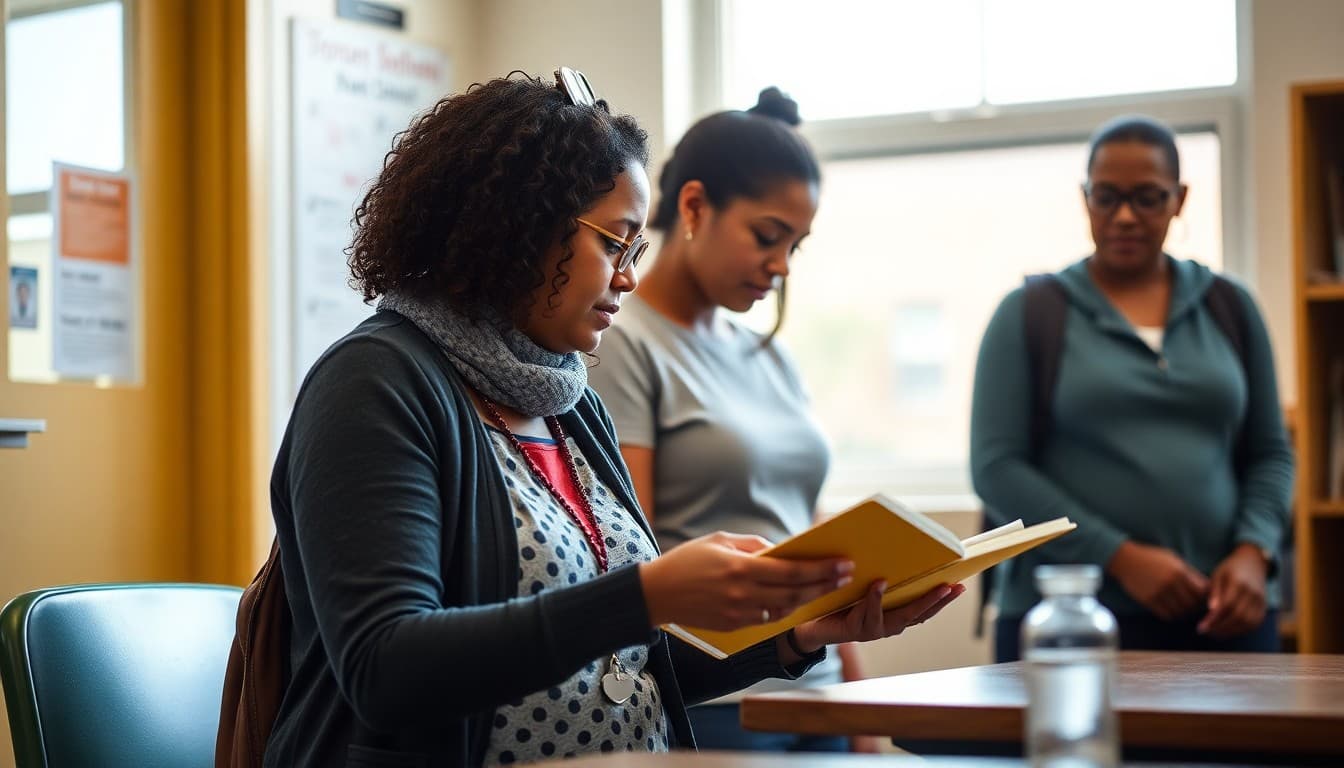
School Door-to-Door Outreach Newsletter: Meeting Families at Home
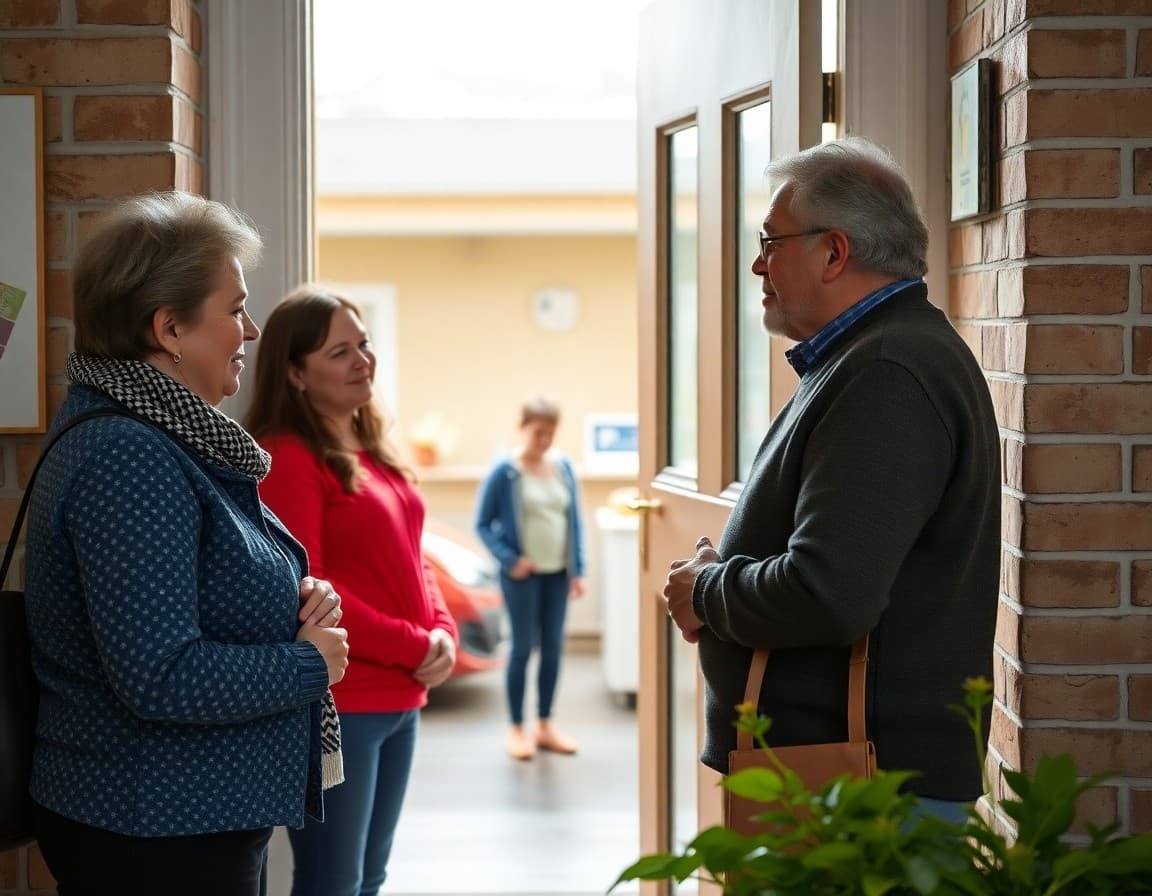
Door-to-door school outreach is the most direct form of community engagement available to a school. When a teacher or family liaison knocks on a door, they demonstrate something no newsletter can: the school is willing to come to families rather than only waiting for families to come to school. This gesture builds trust with communities where institutional trust has been historically low, and it produces information about family needs that no survey or registration form can match. A newsletter about door-to-door outreach prepares families for what to expect and explains why the school is doing it.
Why Some Schools Are Going Door to Door
The COVID-19 pandemic made visible what was always true: a significant number of families do not have reliable digital access, do not respond to email communication, and have effectively dropped out of the school communication loop. Many of these families care deeply about their children's education but face barriers that make conventional school engagement inaccessible. Door-to-door outreach is the school meeting those families where they are rather than waiting for them to overcome barriers the school is not addressing. When schools document the outcomes of home visit programs, they consistently find increased attendance, improved family engagement, and better early identification of student challenges that can be addressed before they escalate.
Setting Up the Program: Who Goes and When
Effective door-to-door outreach programs use trained teams rather than solo visits. Pairs or small groups of two to three people are safer, more welcoming, and more effective than a single person arriving at a door. Teams should include at least one staff member who speaks the primary language of the household being visited whenever possible. Visits should be scheduled for times when families are likely to be home: late afternoon or early evening on weekdays, or Saturday mornings. Pre-announcement through the school newsletter, robocall, or text message before the visit period increases the number of families who are prepared to engage positively when staff arrive.
What Families Can Expect When Staff Visit
Your newsletter should give families a clear picture of what a school home visit looks like so they are not alarmed when someone knocks. Staff will introduce themselves by name and role, explain they are from the school, and describe the purpose of the visit briefly. They will ask a few open-ended questions about how the school year is going and whether there is anything the school can do better. They will share a brief packet of school resources and contact information. They will not enter the home unless explicitly invited. They will not take notes or report on the home environment. The visit takes 5 to 15 minutes. Families who do not want to participate can say so and staff will move on without pressure.
The Questions That Open Conversations
The questions staff ask during door-to-door visits shape what the school learns from the effort. The best questions are open, non-judgmental, and focused on the family's experience rather than the school's programs. "How are things going for your family this year?" is more revealing than "Have you had a chance to read our newsletters?" "Is there anything about the school that has been confusing or hard to navigate?" produces actionable feedback. "What would make it easier for you to stay connected to what is happening for your child?" surfaces specific barriers. Train staff to ask two or three of these questions and to listen carefully before offering information, rather than arriving with a script focused on what the school wants families to know.
Sample Template Excerpt
Here is a section you can adapt for your own newsletter:
We Are Coming to You: Home Visits Starting October 7th
This month, teams of teachers and family liaisons from our school will visit families throughout our school's community. Here is what you need to know.
Why we are doing this: We want to hear directly from families about how the school year is going and what we can do better. The best way to have that conversation is face to face, in your community, not by asking you to come to us.
What to expect: A brief visit of 5 to 15 minutes. Staff will introduce themselves, ask a few questions about how things are going, share a packet of school information and resources, and listen. They will not enter your home unless you invite them. They will leave a card with their contact information.
Languages: Our visiting teams include Spanish- and Somali-speaking staff. If your family speaks a different language, contact [name] at [contact] so we can ensure you have a staff member who can communicate with you.
Can we visit you? If you would like to schedule a time for our team to stop by, email or text [contact]. We will confirm the day and approximate time window.
Following Through After the Visit
The relationship built at a front door is fragile. It needs follow-through to develop into genuine trust. Staff who hear a specific concern from a family during a visit must bring it back to the school and respond to it, ideally within a week. If a family mentioned they were having trouble with the online registration portal, a follow-up call walking them through it demonstrates that the visit was not performative. If a family said their child was struggling with a specific teacher, an appropriate follow-up connects the family to the counselor or principal. The newsletter that describes home visits should also describe how the school will follow up on what families share, so families know that speaking up during a visit actually changes something.
Get one newsletter idea every week.
Free. For teachers. No spam.
Frequently asked questions
What is the purpose of school door-to-door outreach?
Door-to-door school outreach reaches families who are not connected through standard school communication channels. These are often families who have experienced barriers to engagement including language differences, transportation challenges, distrust of institutions, or time constraints from multiple jobs. The purpose is relationship-building and information sharing, not enforcement or assessment. Staff who conduct home visits with this orientation build trust that transfers to better family engagement throughout the school year.
How do home visits differ from welfare checks?
School home visits are family engagement tools conducted voluntarily and collaboratively. They are not welfare checks, CPS investigations, or truancy enforcement. Staff should clarify this distinction explicitly when they arrive at a door, because some families will worry about the intent of an unannounced visit from school personnel. Framing the visit as a relationship investment, not a compliance check, changes the family's posture from defensive to open, which is the entire point of doing this work in person.
What do school staff say when they knock on a family's door?
An effective opening for a home visit is brief, warm, and genuine: 'Hi, I am Maria from Jefferson School, your child's family liaison. I am stopping by to introduce myself and see how things are going for your family this year. Do you have a few minutes?' This opener does not demand entry, does not imply a problem exists, and gives the family control over whether the conversation continues. It is specific enough to be credible and open enough to invite honest response.
What information do staff bring to home visits?
Staff conducting home visits should carry a brief packet with current school contact information, a calendar of upcoming events, a summary of key programs and resources available, translation support if the family's primary language differs from the visiting staff member's, and their own contact card. The packet should be short enough to glance through in a doorway conversation rather than requiring a sit-down meeting. Staff should also be briefed on current school priorities and recent changes so they can answer common questions accurately.
How can Daystage support home visit program communication?
Daystage allows schools to send a transparent announcement about the home visit program to all families before visits begin, so families know what to expect if a staff member knocks on their door. After home visits are completed, Daystage can send a follow-up newsletter summarizing what was heard in the community and what actions the school is taking in response. This transparency builds trust with all families, including those who were not visited, by showing that the school treats community input as valuable.

Adi Ackerman
Author
Adi Ackerman is a former classroom teacher and curriculum writer with 8 years in K-8 schools. She writes about school communication, parent engagement, and what actually works in real classrooms.
More for Community Outreach
Ready to send your first newsletter?
3 newsletters free. No credit card. First one ready in under 5 minutes.
Get started free