

Mentorship Organization School Newsletter: One-on-One Connections
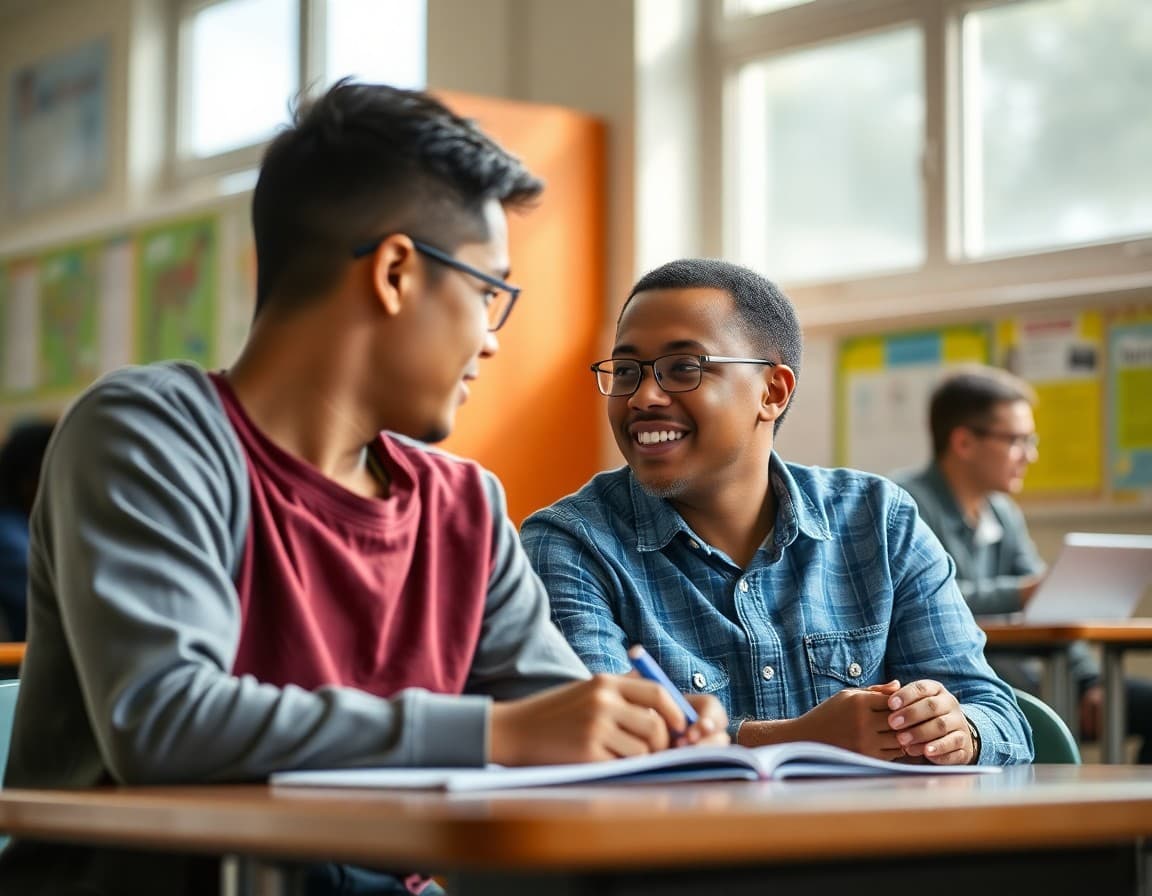
A consistent adult relationship outside the family is one of the strongest predictors of positive outcomes for students who face significant adversity. This is not a theory. It is one of the most well-replicated findings in developmental research. Mentorship programs give students what many already have through extended family, coaches, or involved neighbors: a reliable, caring adult who shows up for them every week. A newsletter introducing your school's mentorship partner helps families understand why the school chose to invest in this kind of relationship, how students are matched, and how both students and community volunteers can get involved.
Why Mentorship Is Different From Tutoring or Counseling
The distinction matters and is worth explaining clearly. Tutoring addresses academic skill gaps. Counseling addresses mental health and crisis support. Mentorship addresses something broader and less easily measured: the development of a young person's sense of possibility, their connection to the adult world, and their belief that someone outside their immediate family cares about their specific future. A mentor does not need to be an expert in anything the student is studying. They need to be consistently present, genuinely curious about the student, and willing to share their own experiences in ways that expand the student's sense of what is possible.
How the Matching Process Works
Families deserve a clear picture of how their child will be matched with a mentor before they consent to the program. Describe the matching process your partner organization uses. Does the program take student interests, background, and communication style into account when making matches? Is there a parent interview as part of the process? How long does matching typically take? What happens if a match is not working well? Most reputable programs have a formal process for both making good matches and addressing situations where a match needs to end for any reason. Families who understand this process trust the program more than those who receive a vague assurance that "students are carefully matched."
What a Mentorship Session Looks Like
Many families have never participated in a formal mentorship program and do not know what to picture. Describe a typical session. Mentor and student meet in a designated school space, supervised by program staff or school employees. The first few sessions are typically structured by the program organization with provided conversation prompts and activities. As the relationship develops, conversations become more natural and student-directed. Sessions might involve homework review, conversations about interests and future goals, sharing a meal at the school cafeteria, or working on a shared activity. The structure varies, but the consistent element is time: the same adult, showing up at the same time every week, for the same student.
Recruiting Volunteer Mentors From the School Community
Many of the best mentors are already connected to your school community. Parents who do not have children in the program, local business owners who are school partners, alumni who have wanted to give back, and community members who see the school newsletter. Your newsletter should include a brief invitation to prospective mentors alongside the family-focused program description. Include what the time commitment looks like (usually one to two hours per week), what training is provided and required, and how to express interest. A single newsletter that both introduces the program to families and invites community members to volunteer as mentors increases both student enrollment and mentor supply simultaneously.
Sample Template Excerpt
Here is a section you can adapt for your own newsletter:
Mentorship Spots Are Open: Is Your Child a Good Fit?
Our school partners with Compass Mentoring to match students in grades 4-8 with trained adult mentors who meet with them weekly at school.
What it involves: Mentors and students meet for 45 to 60 minutes every Tuesday or Wednesday during lunch or after school. Meetings happen in the library or a designated room with program staff present. All mentors complete background checks and 8 hours of training before their first meeting.
Who benefits most: Students who would benefit from a consistent relationship with a caring adult outside their immediate family. Students who have expressed interest in exploring careers. Students who are academically capable but not fully engaged. Students who are new to the school and building their community.
To enroll your child: Contact [program coordinator] at [email] or return the interest form included with this newsletter. The program is free.
To become a mentor: If you are a community member or school parent interested in mentoring, visit [link] or contact [name]. We need 12 more mentors to match every student on our waitlist.
Sustaining the Relationship Beyond One Year
The research on mentorship is clear that relationships lasting less than six months sometimes do more harm than good by creating a connection and then abruptly ending it. The most significant benefits of mentorship accumulate over years, not months. When you communicate about your mentorship program, emphasize the commitment involved. Mentors who understand they are making a year-long commitment before they sign up are more likely to follow through than those who commit to a general idea of helping and then withdraw when life gets busy. Families who understand this are better advocates for keeping the relationship consistent on their end as well.
Get one newsletter idea every week.
Free. For teachers. No spam.
Frequently asked questions
What does a school mentorship program involve?
A school mentorship program matches students with trained adult volunteers who meet with them on a regular schedule, typically once a week or twice a month. The relationship focuses on academic support, social-emotional development, career awareness, and goal-setting rather than tutoring. The best mentorship programs last at least one full school year and ideally continue through multiple years. Organizations like Big Brothers Big Sisters, iMentor, and many local nonprofits facilitate school-based mentorship with structured training and match support.
What do students gain from a mentorship relationship?
Research on formal mentorship programs consistently shows that students with mentors are more likely to attend school regularly, maintain or improve their grades, develop higher aspirations for future education, build stronger social and emotional skills, and report feeling more connected to their school community. The most significant outcomes are often not academic but relational: students who feel seen and supported by a consistent caring adult outside their immediate family demonstrate greater resilience across multiple domains.
What makes a good mentor for a school program?
Good mentors in school programs are consistent, reliable, and genuinely interested in the student rather than in teaching or fixing. They show up every week regardless of whether the student is engaged that day. They ask questions and listen more than they advise. They expose students to their own professional world and personal interests without pushing specific career or life paths. Most formal mentorship programs provide training that helps volunteers develop these skills rather than assuming they arrive with them.
How are mentors vetted and trained in school programs?
Reputable mentorship organizations require background checks for all mentors before any student contact, structured training before the first match meeting, and ongoing supervision and support from a program coordinator throughout the relationship. They also have clear protocols for addressing concerns and ending matches that are not working. Your newsletter should describe the vetting and training process your school's partner uses so families feel confident about the adults who will be working with their children.
How does Daystage help schools communicate about mentorship programs?
Daystage makes it easy to send a mentorship program launch newsletter to all families at once, reach potential volunteer mentors in the school community, and celebrate mentor-student partnerships throughout the year. Schools that profile mentor-student relationships in their newsletters, with appropriate privacy consent, see increased community interest in volunteering and stronger family engagement with the program compared to those that communicate about mentorship only through one-time announcements.

Adi Ackerman
Author
Adi Ackerman is a former classroom teacher and curriculum writer with 8 years in K-8 schools. She writes about school communication, parent engagement, and what actually works in real classrooms.
More for Community Outreach
Ready to send your first newsletter?
3 newsletters free. No credit card. First one ready in under 5 minutes.
Get started free