
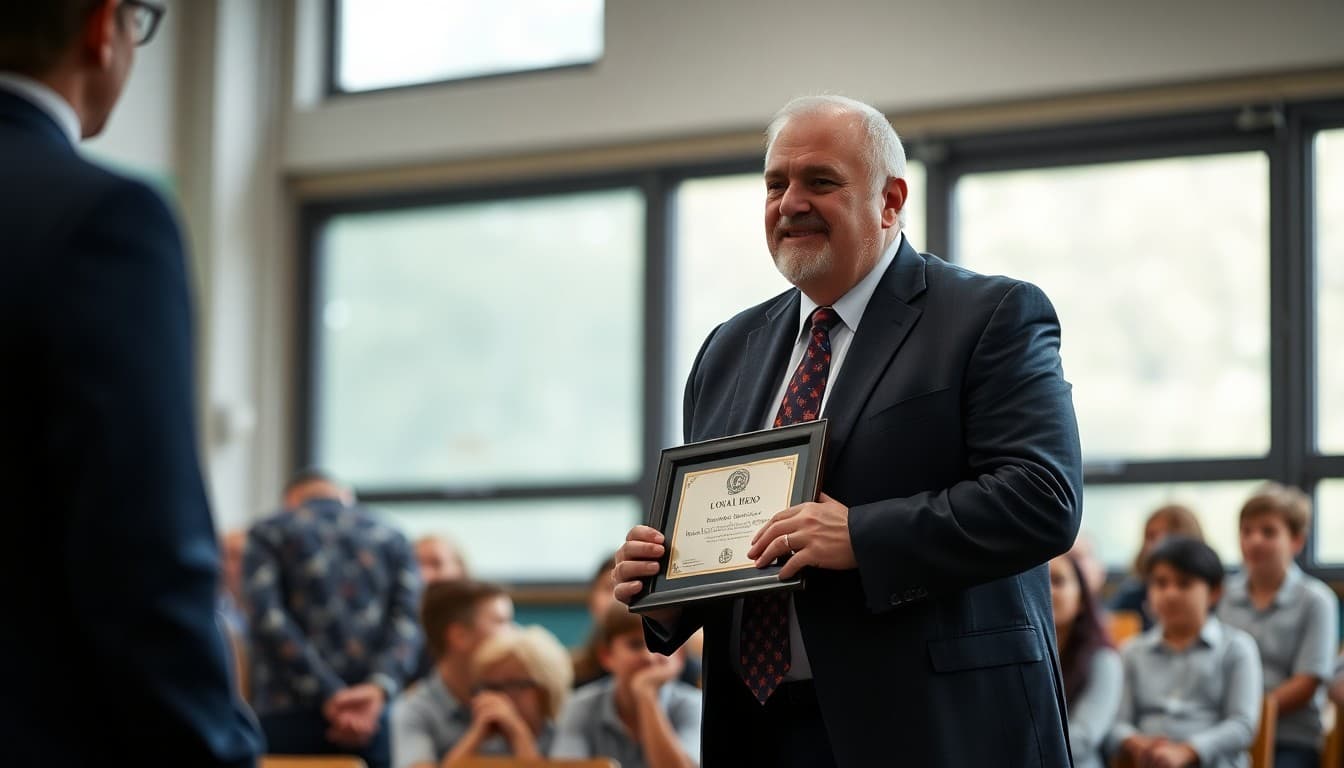
Local Hero Spotlight Newsletter: Celebrating Community Champions
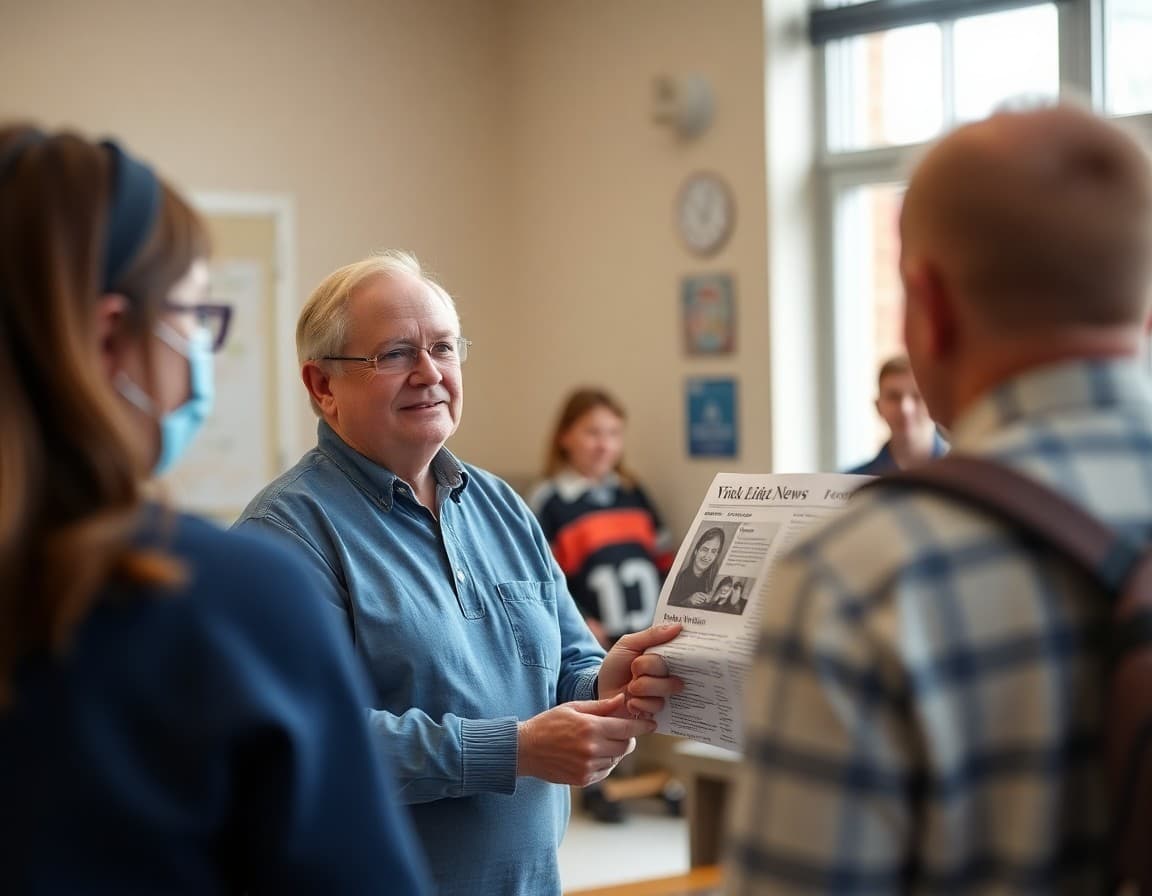
Why Local Hero Spotlights Build Real Community
A school newsletter that only covers school logistics misses the opportunity to reflect the wider community back to families. A monthly local hero spotlight says: our school sees this neighborhood, values the people in it, and wants to celebrate what is already good here. That message builds trust and belonging in ways that event announcements never can.
Who Qualifies as a Local Hero
Local heroes are not celebrities or elected officials. They are the neighbor who has been coaching the youth soccer team for 15 years. The business owner who donates supplies to classrooms every September. The retiree who reads with kindergartners twice a week. The parent who organized a community cleanup and showed up with 30 kids. Anyone who is doing meaningful work for the community around your school is a candidate.
The Structure of a Strong Spotlight
Name the person. Describe in one or two sentences what they do and how long they have been doing it. Quantify the impact where possible: hours contributed, people served, funds raised, outcomes achieved. Include a direct quote from the honoree if you can get one. End with a sentence about what the school or community wants to say to this person. Keep it to 150 to 200 words. Brevity is a feature, not a limitation.
How to Collect Nominations
Put a simple nomination form in your newsletter. Name, brief description of what the nominee does, why they deserve recognition. Three fields, no more. Families who want to nominate someone should be able to do it in two minutes. Teachers, counselors, PTA leaders, and community partners are also good nomination sources. A standing nominations committee that reviews submissions once a month keeps the process running without requiring heavy coordination.
What to Do After Publication
Send the spotlight honoree a printed copy of the newsletter or a personal email with the published section. Families who nominate someone should receive an acknowledgment when the spotlight runs. Post the spotlight on the school's social media if possible. Honorees who feel genuinely recognized -- not just processed through a system -- become some of the school's most committed community advocates.
Using the Spotlight to Introduce Community Partners
The local hero spotlight is an excellent way to introduce a new community partner to school families. If a local health clinic is starting a school health program, a spotlight on the clinic director humanizes the partnership before it begins. Families who have a story and a face attached to a community partner engage with that partner's programs at much higher rates than families who receive a generic announcement about a new service.
Making the Spotlight a Student Learning Opportunity
Ask a student journalism club, a writing class, or even a rotating set of student volunteers to research and write one spotlight per month. Students who interview community members develop research skills, practice narrative writing, and build relationships outside the school walls. The community member feels doubly honored to be featured by a student. And the student's name in the byline adds an authentic, educational layer to the newsletter that families notice and appreciate.
Get one newsletter idea every week.
Free. For teachers. No spam.
Frequently asked questions
What makes a good local hero spotlight in a school newsletter?
A good spotlight is specific about what the person did, why it mattered, and what connection they have to the school community. Name the person, describe the action or achievement in concrete terms, and explain the impact in language that resonates with families and students. A spotlight that says 'John Smith is a great community member' tells no story. One that says 'John Smith spent 40 Saturdays tutoring students in our after-school program and helped 12 kids pass their state reading assessment' tells one families will remember.
How do you find local heroes to feature in the school newsletter?
Ask teachers, counselors, and PTA members for nominations. Post a simple nomination form in the newsletter or on the school website. Connect with local nonprofits and community organizations -- they often have stories of residents doing meaningful work that schools never hear about. Your spotlight candidates are already in your community. You just need a channel to surface them.
How often should a school run a local hero spotlight?
Monthly or quarterly, depending on the newsletter format. A monthly spotlight adds only 150 to 200 words to the newsletter and consistently generates strong readership. Families read spotlights because they may know the person featured or may recognize their neighborhood. The spotlight section often has higher engagement than any other section of the newsletter.
Can students be featured as local heroes in the newsletter?
Yes, and they should be. A student who organized a food drive, mentored younger peers, or performed community service is exactly the kind of local hero worth celebrating. Student spotlights show other students that meaningful action is accessible to them, not just to adults.
How does Daystage help schools format and send spotlight newsletters?
Daystage lets school staff create a clean, readable spotlight feature with the honoree's photo and story in a professional format. The newsletter goes directly to every family's inbox. Spotlighted individuals often share the newsletter with their own networks, which expands the school's reach in the community.

Adi Ackerman
Author
Adi Ackerman is a former classroom teacher and curriculum writer with 8 years in K-8 schools. She writes about school communication, parent engagement, and what actually works in real classrooms.
More for Community Outreach
Community Service Award School Newsletter Template
Community Outreach · 6 min read
Community Mentor Program Newsletter: Recruiting, Recognizing, and Sustaining School Mentors
Community Outreach · 5 min read
School-Community Partnership Newsletter: Building and Sustaining External Relationships Through Communication
Community Outreach · 6 min read
Ready to send your first newsletter?
3 newsletters free. No credit card. First one ready in under 5 minutes.
Get started free