
Hospital-School Partnership Newsletter: Health and Learning
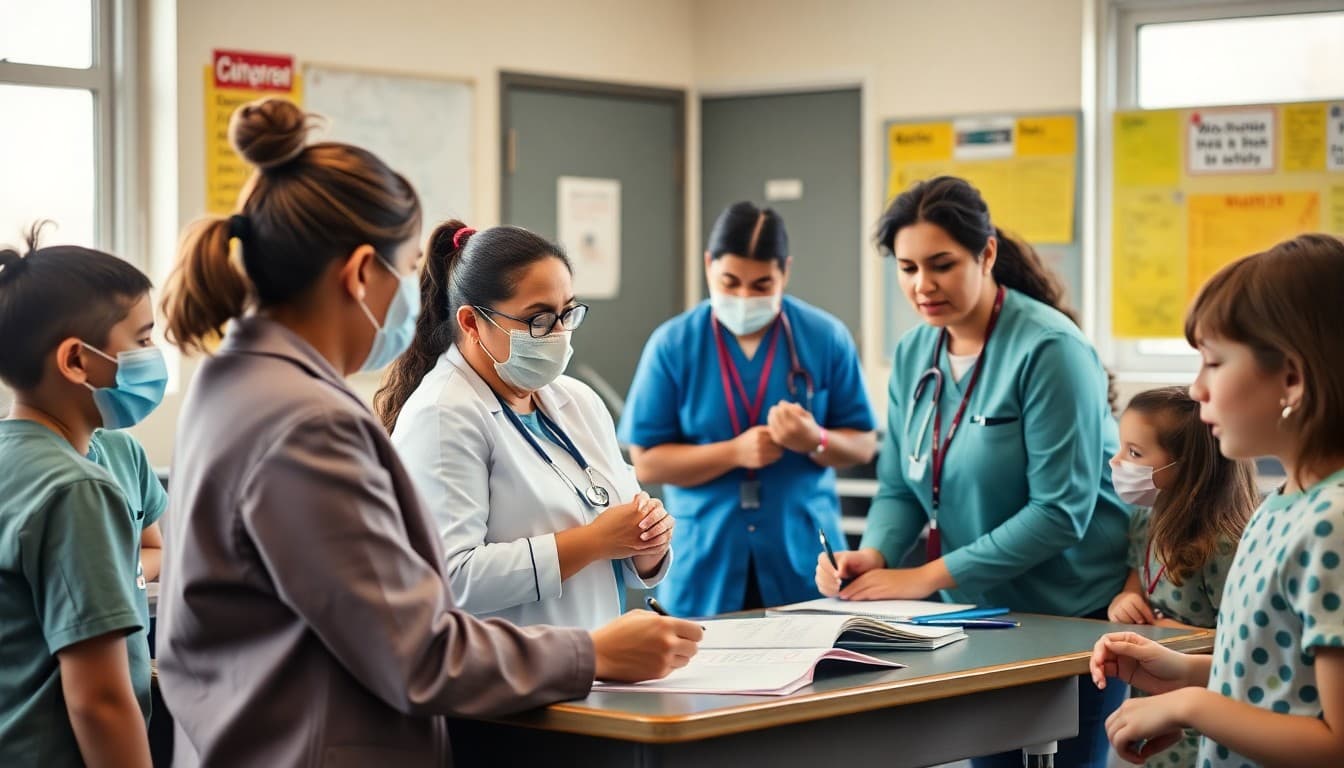
A hospital-school partnership brings medical expertise directly into the school building. For families who face barriers to healthcare access, these partnerships provide screenings and referrals that students might not receive otherwise. For students interested in healthcare careers, they provide career exposure that no classroom can replicate. A newsletter about this partnership introduces the hospital to families, explains what students receive, and makes sure every eligible student and family takes advantage of available services.
What Hospital-School Partnerships Accomplish
The most concrete impact of a hospital-school partnership is often in preventive care access. A vision screening conducted at school by hospital-affiliated staff identifies the student who cannot see the board clearly but has never had a formal eye exam. A dental screening identifies early decay in a student whose family does not have dental coverage. A mental health screening identifies a student showing signs of depression who would not have been referred otherwise. Each of these early identifications leads to an intervention that improves a student's school experience and long-term health. The hospital provides the expertise and staffing. The school provides the access. Neither can accomplish this alone.
Describing the Partnership in Specific Terms
Your newsletter should describe exactly what the hospital partnership provides at your school. Name the hospital or health system. Describe the programs: which screenings are offered, which health education topics are covered, whether a hospital-employed counselor has dedicated hours at the school, and whether there are any career exploration or internship opportunities for high school students interested in health sciences. Include the schedule and location for any regular programming. Families who understand what is available are significantly more likely to engage with it than families who receive a general announcement about a health partnership.
Health Education Programs in the Classroom
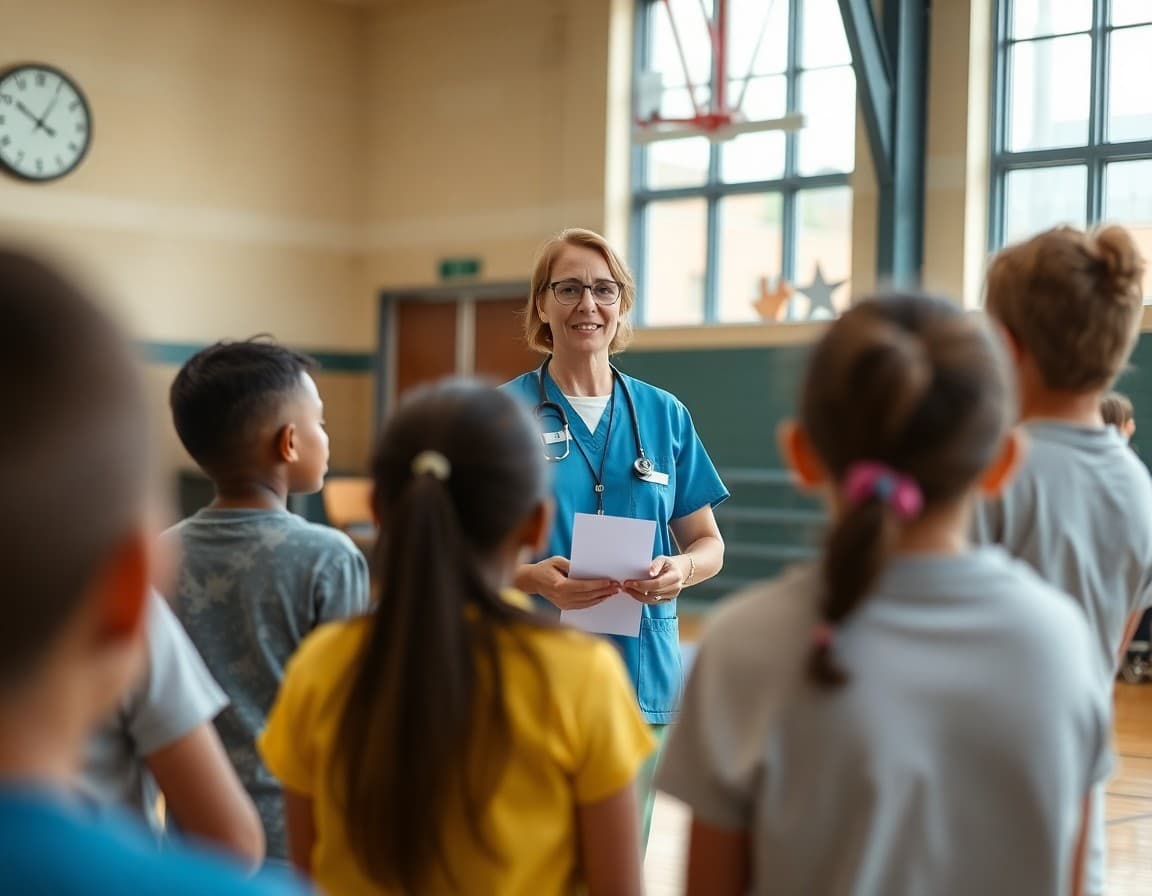
Many hospital community health teams have developed age-appropriate health education curricula that they deliver in classrooms as part of school partnerships. Common topics include hand hygiene and germ prevention, dental health, nutrition and healthy eating, puberty and adolescent health, chronic condition management like asthma or diabetes awareness, and mental health and resilience. When a certified health educator from a hospital delivers these lessons, it adds credibility and expertise beyond what a classroom teacher can provide in a subject where the teacher may not have specialized training. Your newsletter can describe these programs with the same specificity you would apply to any other curriculum offering.
Sample Template Excerpt
Here is a section you can adapt for your own newsletter:
Our New Health Partnership: What It Means for Your Child
We have partnered with St. Catherine Medical Center to bring health services and education directly to our school this year.
Free vision and hearing screenings: On October 15th and 16th, hospital staff will conduct brief vision and hearing screenings for all students in grades K-5 during the school day. No appointment or consent form is needed. If your child requires follow-up, you will receive a note home from our school nurse within one week of the screening. Referrals to a specialist do not require you to use St. Catherine specifically.
Health education sessions: A hospital health educator will visit each classroom twice per semester to deliver age-appropriate lessons in nutrition and physical wellness for K-2 and puberty and body safety for grades 3-5. These lessons are approved by our curriculum committee and align with state health education standards. Lesson summaries will be sent home after each visit.
For families without primary care: St. Catherine's community health team offers assistance navigating free and low-cost healthcare for uninsured or underinsured families. Contact our school nurse at [contact] for a private referral.
Career Exploration for Health-Interested Students
High school students interested in healthcare careers benefit enormously from early exposure to real professional environments. If your hospital partner offers job shadow programs, internships, or career day presentations at the school, describe them in detail in your newsletter. Include eligibility requirements, the application process, and what students can expect to experience. Students who shadow a nurse, spend a day in a hospital lab, or meet with a physician in a career panel arrive at college or trade programs with clearer career goals and stronger applications. These programs are often undersubscribed because students do not know they exist.
Communicating About Sensitive Health Topics
Hospital partnerships sometimes bring mental health and adolescent health topics into schools in ways that require thoughtful communication. A newsletter announcing that a mental health counselor from the hospital will be available on-site two days per week should describe who the counselor is, what services are provided, how students access them, and whether parent notification is required. Families who learn about mental health services from a clear newsletter are significantly more comfortable with their child accessing them than families who find out informally through their child. Proactive, transparent communication about health services is the most effective way to reduce family anxiety about what the school and its partners are doing.
Get one newsletter idea every week.
Free. For teachers. No spam.
Frequently asked questions
What kinds of programs do hospital-school partnerships typically include?
Hospital-school partnerships often include health screenings conducted by medical staff at the school, health education programs delivered by nurses or health educators in classrooms, mental health support services where hospital-employed counselors work on-site, community health fairs, free or reduced-cost care referrals for uninsured families, school nurse professional development, and career exploration programs for students interested in health sciences. The scope depends on the hospital's community benefit commitments and available staff.
Why do hospitals partner with schools?
Hospitals with nonprofit status are required by the IRS to conduct community benefit activities as part of their tax-exempt status compliance. School partnerships count toward this requirement and align with preventive health missions that reduce expensive emergency room utilization. Hospitals also benefit from community goodwill, talent pipeline development for future healthcare workers, and direct relationships with families who may choose the hospital for care based on positive school program experiences.
What health screenings can hospital partners provide at schools?
Hospitals can provide vision and hearing screenings, dental screenings, blood pressure checks, BMI assessments, immunization catch-up clinics, mental health screenings, and sports physicals at school sites. These screenings bring preventive care to students who might not receive it otherwise due to cost, transportation, or access barriers. Schools that communicate clearly about available screenings through newsletters see significantly higher participation rates than those that rely on bulletin board posters.
How should schools communicate about sensitive health screening results?
Screening results that require follow-up should be communicated directly to families through private channels, not through a school newsletter. The newsletter is appropriate for announcing the availability of screenings, explaining what they involve, and reporting aggregate participation numbers. Individual screening results, referrals, and follow-up information should come in a sealed envelope or through a direct phone or email from the school nurse. Maintaining this distinction protects family privacy and student dignity.
How does Daystage help schools communicate about hospital partnerships?
Daystage makes it easy to send a health fair registration reminder, a screening program announcement, or a health education event invitation to all families with one send. For hospital-led programs that require family consent, Daystage can deliver the consent form link alongside the event description, increasing the likelihood that families complete it before the event date. Health programs that are communicated through professional-looking newsletters consistently see higher participation than those communicated through paper flyers.

Adi Ackerman
Author
Adi Ackerman is a former classroom teacher and curriculum writer with 8 years in K-8 schools. She writes about school communication, parent engagement, and what actually works in real classrooms.
More for Community Outreach
Ready to send your first newsletter?
3 newsletters free. No credit card. First one ready in under 5 minutes.
Get started free