
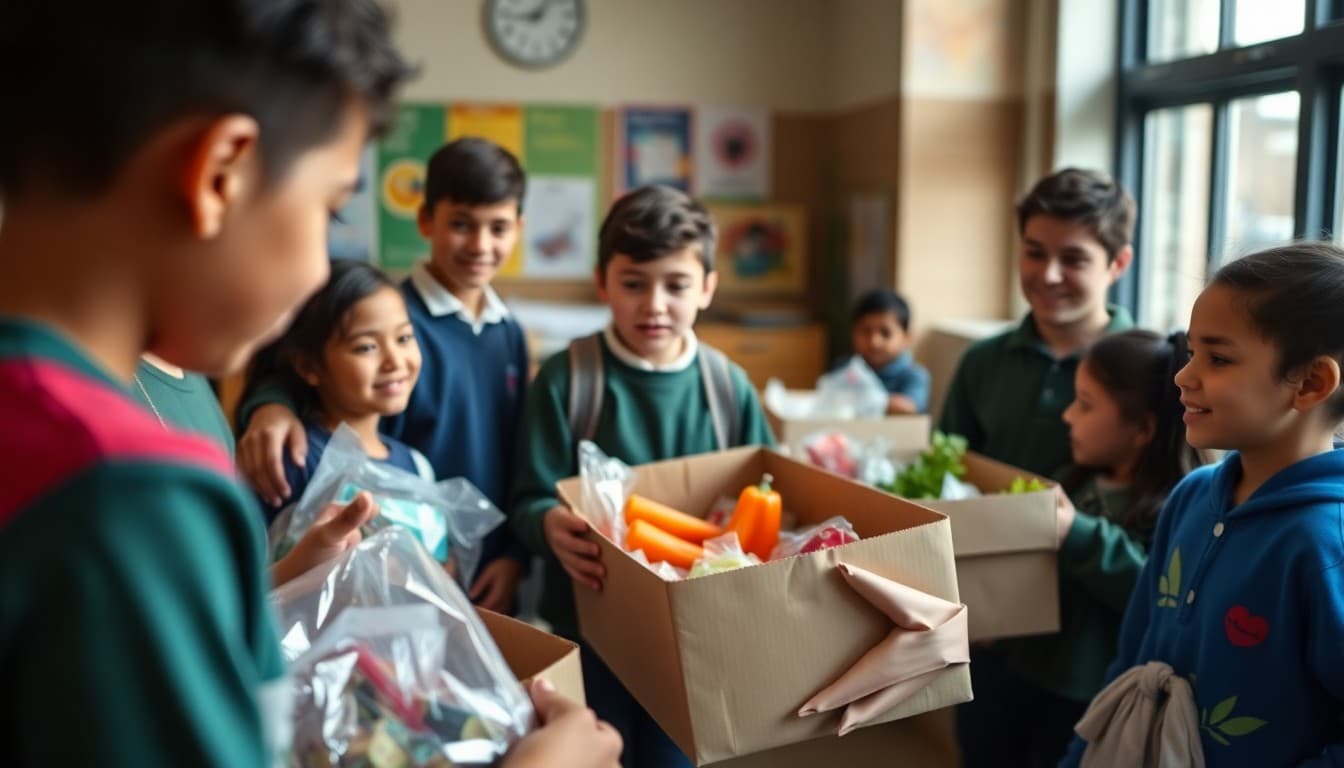
Food Bank School Newsletter: Feeding Our Families Together
Food insecurity among school-age children is more common than most communities acknowledge. The USDA's most recent data shows that approximately one in seven US households with children experienced food insecurity at some point during the year. Many of those children attend your school. A food bank partnership newsletter addresses this reality directly, connects families to every available resource, and invites the school community to support programs that are only as strong as the community behind them.
What Food Insecurity Looks Like in School
Teachers recognize food insecurity in students before families often report it. A student who arrives without breakfast, who eats everything on their lunch tray including food other students leave behind, who asks about taking food home, or whose concentration fails consistently in the late morning is often experiencing food insecurity. These signals are worth naming plainly in a newsletter that addresses the topic because they show families that the school is paying attention with care rather than judgment. The goal of naming these signs is not to identify specific students but to create a culture where accessing food resources is seen as normal and the school's response is supportive rather than bureaucratic.
Every Food Resource Available Through Your School
A comprehensive food resource section in your newsletter should list every program specifically. The National School Lunch Program provides free breakfast and lunch to students who qualify based on household income. The income thresholds are higher than many families assume, and the application takes fewer than ten minutes. The weekend backpack program sends bags of food home on Fridays with any student who needs one. The school's family resource room has a small pantry available to any family, no documentation required. The regional food bank runs a mobile distribution at the school parking lot on the second Tuesday of each month. SNAP benefits can help with household food costs and the local community action agency provides free enrollment assistance. Listing all of these in one place gives every family a complete picture.
Applying for Free and Reduced-Price Meals
Many families who qualify for free or reduced-price school meals do not apply because they believe they earn too much, they are not sure how to apply, or they are concerned about privacy. Your newsletter should address each of these barriers. The income thresholds are specific and often surprise families who assumed they did not qualify. The application form is brief and takes about ten minutes. Application data is protected and not shared beyond the school's nutrition office and the state education agency. Schools receive additional funding for every qualified student enrolled in the program, so applying also benefits the school's resources beyond the individual family. Including the specific income thresholds for your state's program gives families the information they need to decide whether to apply without having to call and ask.
Weekend Backpack Programs: What They Are and How to Access Them
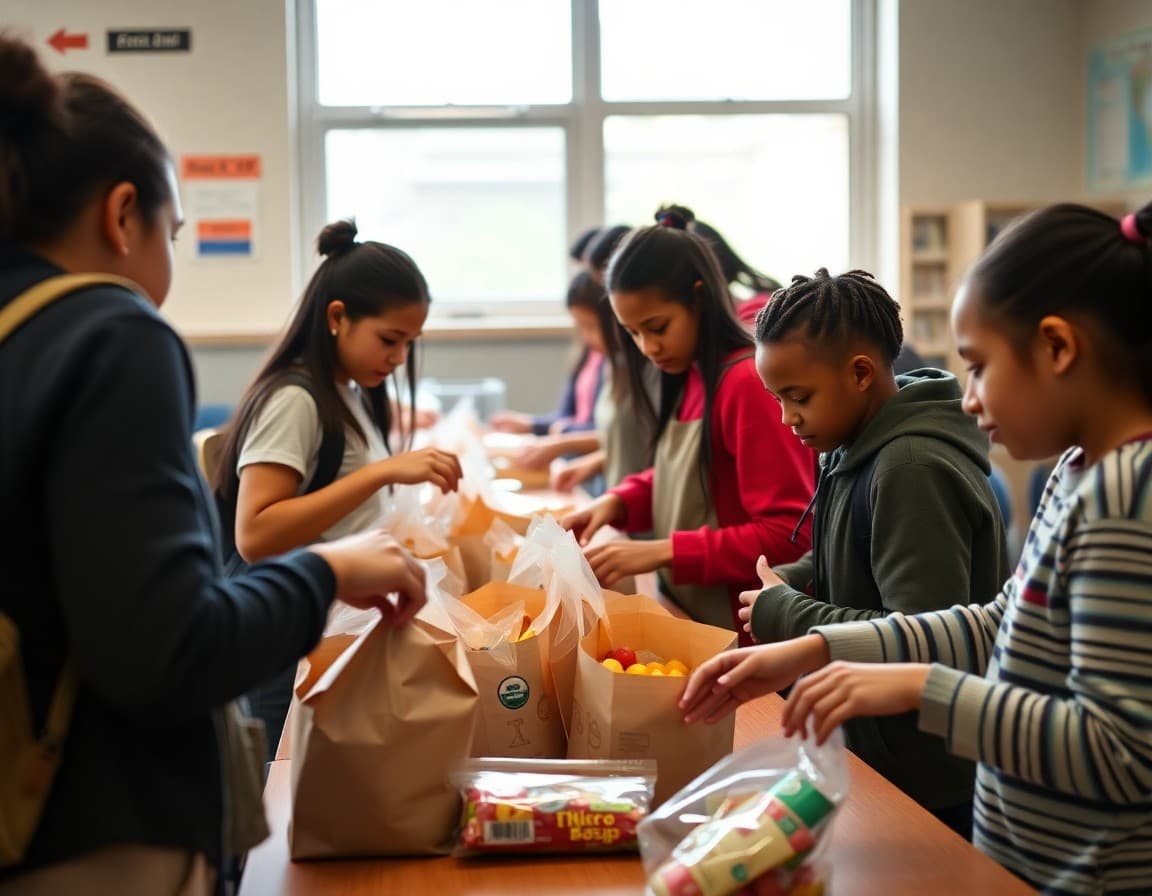
Weekend backpack programs are one of the most direct school-based food interventions. They address a specific and consistent gap: the 65 or more hours between the last school lunch on Friday and the first school breakfast on Monday when food-insecure students have no guaranteed meals. Most programs are designed to be discreet. Food bags are placed inside student backpacks at the end of the school day on Fridays. There are no visible signs of who participates. Your newsletter should explain how to enroll a child in the program, whether the sign-up is through the teacher, the school nurse, the counselor, or a direct form. Making the enrollment process clear and simple is the single most important communication task for this program.
Sample Template Excerpt
Here is a section you can adapt for your own newsletter:
Food Resources Available for Our School Community
We partner with the Valley Food Bank to make sure every student and family in our community has access to food. Here is what is available and how to access it.
Free and reduced lunch: Any family earning under 185 percent of the federal poverty level qualifies for free or reduced-price school meals. For a family of four, that is an annual income under approximately $55,000. The application takes 10 minutes at [link] or you can pick up a paper form at the front office. What you share stays private.
Weekend backpacks: Students who need food over the weekend can be enrolled in our Friday backpack program. The bag contains shelf-stable food for the weekend and goes inside your child's backpack before dismissal. To enroll your child, contact our school counselor at [contact]. No documentation is required.
Monthly food distribution: Valley Food Bank distributes food boxes in our school parking lot on the first Thursday of each month from 4:00 to 6:00 PM. Any family can attend. No identification or enrollment is required.
How to Support the Food Program
Many families who do not need food support want to contribute to programs that help others in the school community. Your newsletter should describe specific volunteer and donation opportunities. The most impactful contributions for backpack programs are typically shelf-stable high-protein items like peanut butter, canned beans, canned tuna, and nuts. For food distributions, the food bank often needs drivers, sorters, or event volunteers. For families who want to contribute financially, a link to the food bank's donation page or the school's specific program fund gives them a direct path. Include a specific dollar impact when possible. "Twenty dollars fills one weekend backpack" makes the contribution feel concrete and meaningful.
Get one newsletter idea every week.
Free. For teachers. No spam.
Frequently asked questions
What school food programs should a food bank newsletter communicate about?
Cover every food resource the school and its partners provide: the National School Lunch Program and breakfast program with free and reduced-price options, any weekend backpack food programs that send food home with students, on-site food pantries for families, food distribution events, SNAP benefit enrollment assistance, summer food program information, and any emergency food resources available through community partners. Many families are unaware that multiple programs exist and assume they do not qualify for the ones they have heard of.
How do you communicate about food insecurity without stigmatizing families?
Frame all food resources as community supports available to any family that could use them. Avoid language that identifies specific students or implies that accessing food resources is shameful. Use phrases like 'any family that would find this helpful' rather than 'families in need.' Include the programs in general community newsletters rather than sending targeted communications to specific families, which can feel embarrassing. When families see food resources alongside other school community information, accessing them feels more normal and less stigmatized.
What is a school backpack food program?
A school backpack food program provides bags of shelf-stable food to students on Fridays that they carry home for the weekend. The bags typically contain enough food for several meals for one to two children and are designed to be discreet, often placed in student backpacks rather than handed out visibly. These programs address the specific gap between the last school lunch on Friday and the first school breakfast on Monday. They are funded by food banks, donations, and in some cases Title I school funds.
How can volunteer families and businesses support school food programs?
Volunteer opportunities include sorting and packing food at the food bank, assembling weekend backpack bags at the school, staffing food distribution events, driving for mobile food pantry deliveries, and organizing school community food drives. Businesses can sponsor food programs financially, donate specific items, or provide employee volunteers. Your newsletter should include specific volunteer and donation opportunities with contact information so families who want to help know exactly how to do it.
How does Daystage help schools communicate about food resources?
Daystage makes it easy to send food resource updates to all families at once, including distribution schedules, program eligibility information, and volunteer opportunities. For time-sensitive communications like emergency food distributions or holiday food basket sign-ups, Daystage's immediate delivery ensures every family receives the information while it is still relevant. Schools that communicate food resources through professional newsletters consistently see higher family engagement with those resources than those that rely on paper flyers.

Adi Ackerman
Author
Adi Ackerman is a former classroom teacher and curriculum writer with 8 years in K-8 schools. She writes about school communication, parent engagement, and what actually works in real classrooms.
More for Community Outreach
Ready to send your first newsletter?
3 newsletters free. No credit card. First one ready in under 5 minutes.
Get started free