
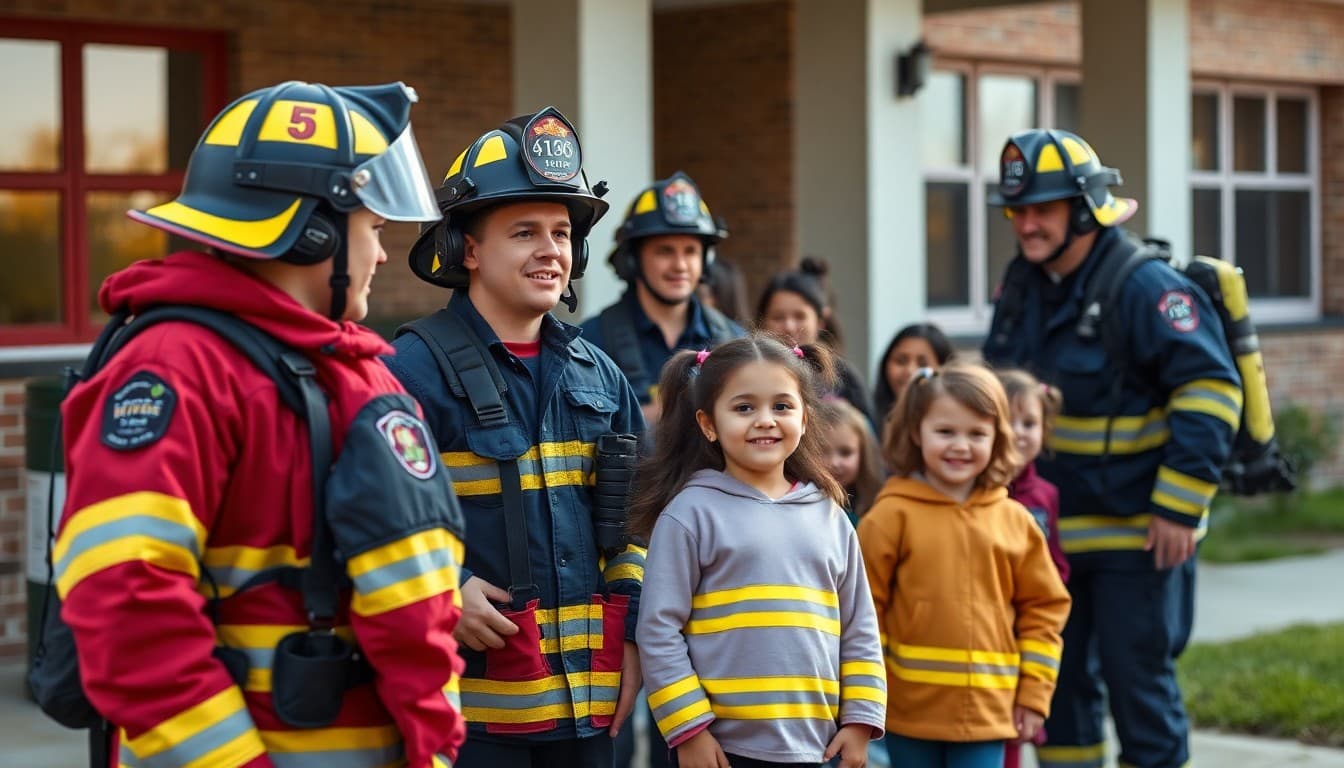
Fire Department School Visit Newsletter: Safety and Community
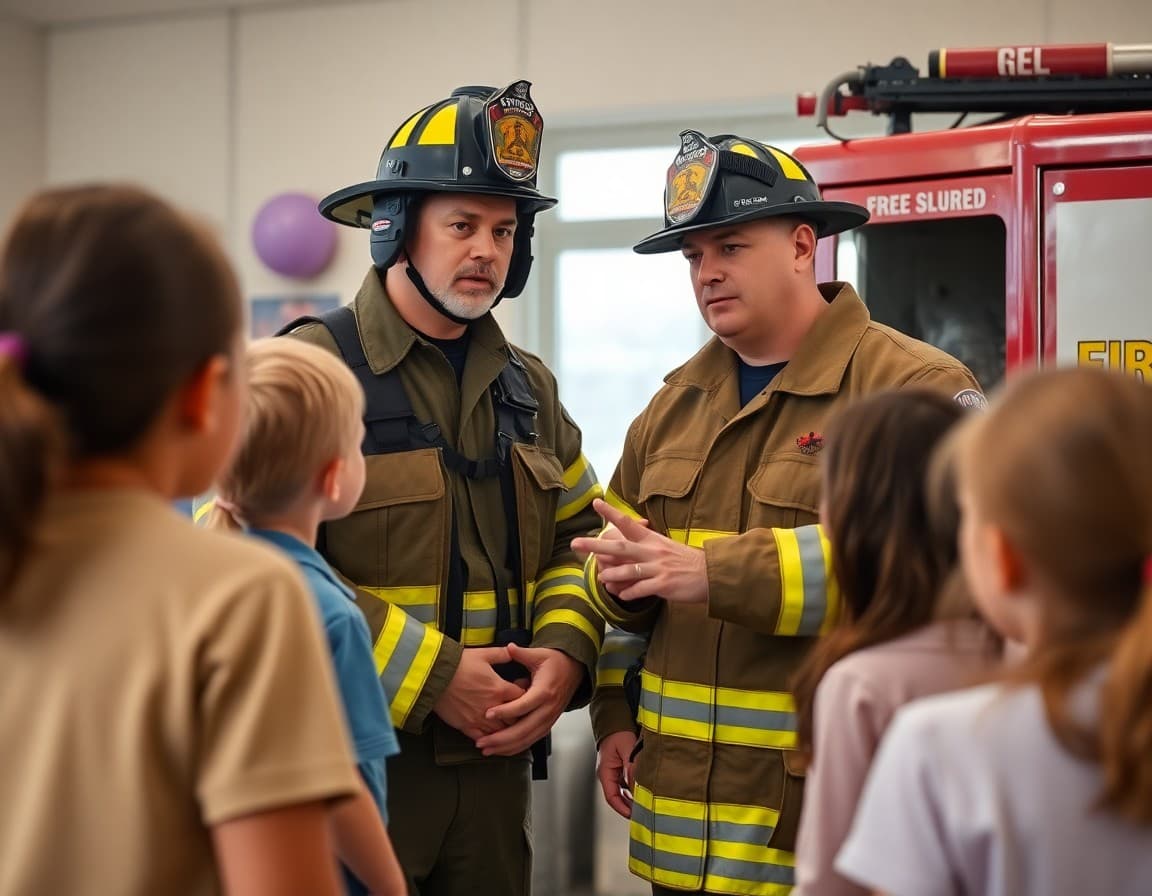
Fire department school visits are among the most memorable community partnership experiences in a child's elementary education. A firefighter in full gear, a fire truck parked in the school lot, and the visceral reality of fire safety instruction leave an impression that classroom discussion alone cannot. A newsletter before and after the visit maximizes the impact by preparing students and families, extending the safety message into the home, and celebrating the partnership publicly.
Why Fire Safety Education at School Works
The NFPA's "Learn Not to Burn" curriculum has been part of elementary education since the 1970s because it works. Fire safety messages delivered to children are carried home and discussed with families. Children who have practiced stop, drop, and roll in school respond to fire emergencies faster and more effectively than those who have only heard about it. Children who hear about escape routes from a firefighter in person are more likely to have the "two ways out of every room" conversation with their parents that evening. Schools are one of the most effective channels for fire safety community education because they reach children consistently and give the message social reinforcement through classroom discussion and peer interaction.
What the Fire Department Brings to Your School
Describe the specific visit in concrete terms. Which companies are coming? When? Which grades will participate? What is on the agenda: a classroom presentation, a fire truck demonstration, a full-gear walkthrough, a fire escape planning workshop? How long will the visit last? What should students wear or bring? Families who know exactly what to expect help students arrive prepared and excited rather than anxious. Specific details also show the fire department, which is investing time and resources in the visit, that the school takes the partnership seriously enough to communicate about it thoroughly.
Home Fire Safety: The Message to Send Home
The most important outcomes of a fire safety visit are not what students learn in the gymnasium. They are the conversations that happen at dinner that night and the weekend when a family finally tests their smoke detector and realizes it needs a new battery. Your newsletter should include specific, actionable home fire safety steps for families to take the week of the visit. The National Fire Protection Association recommends that every home have working smoke alarms on every level, inside each bedroom, and outside sleeping areas, that batteries be tested monthly, and that the whole household practice a fire escape plan at least twice per year. These are not general wellness tips. They are life safety requirements that the newsletter should state plainly.
Sample Template Excerpt
Here is a section you can adapt for your own newsletter:
Fire Station 7 Is Coming to Our School on October 12th
We are excited to welcome Firefighters from Station 7 to our school next Tuesday. Here is what students and families can expect.
What will happen: Firefighters will visit each grade level during a 30-minute session. Younger students will see the fire truck up close and try on small pieces of equipment. Older students will complete a home escape plan worksheet and discuss the roles different household members play in a fire emergency.
If your child is nervous about firefighters in gear: This is very common in younger children. Firefighters from Station 7 are experienced with this and put on their gear slowly in front of students with narration at each step. Talk about it with your child beforehand if they have expressed concern.
What to do at home this week: Test your smoke detectors tonight. If any of them chirp or do not respond, replace the batteries before the school visit so your child can honestly say the family is prepared. Practice your home escape plan as a family this weekend. Ask your child to explain what they learned on Tuesday.
Preparing Students Who Are Afraid of Firefighters in Gear
For young children, seeing a person transform into a fully gear-clad firefighter with a mask and oxygen tank can be alarming. Most experienced fire education teams prepare for this by introducing the gear piece by piece, narrating what each item does and why it looks the way it does. But families whose children have expressed fear about the visit should talk about it at home beforehand. Explaining that the firefighter looks different because the gear protects them from heat and smoke, and that the same person is inside, helps younger children process the experience before they encounter it. Your newsletter can suggest this conversation without making it sound alarming.
Connecting the Visit to Career Awareness
For older students, a firefighter school visit is a career exploration opportunity. The fire service needs future paramedics, fire engineers, battalion chiefs, and prevention specialists. Including a brief section in your newsletter about firefighting as a career pathway, the training and education it requires, and any career day or job shadow opportunities the department offers connects an engaging event to a concrete future possibility. Students who have met firefighters they admire are more likely to consider the profession. That connection starts with a good newsletter before the truck pulls into the school lot.
Get one newsletter idea every week.
Free. For teachers. No spam.
Frequently asked questions
What do firefighter visits to schools typically include?
Firefighter school visits typically include a presentation about fire safety, a walkthrough or demonstration of firefighting equipment, an opportunity for students to sit in the fire truck, a discussion of what to do in a fire emergency at home, and career exploration information for older students. Some departments also conduct fire safety drills or home escape plan workshops. The specific program depends on the department's community education team and what the school has requested.
What home fire safety messages should schools reinforce with families?
The most important home fire safety practices include working smoke detectors on every level of the home and inside every bedroom, a home escape plan that every family member knows and has practiced, two exits identified from every room in the house, a designated outdoor meeting spot at least 30 feet from the house, and the rule to get out and stay out in a fire without returning for belongings. Schools that reinforce these messages through newsletters after fire safety education visits see families take action at higher rates than those that leave the learning at school.
How do you handle students who are afraid of firefighters in full gear?
Young children sometimes fear firefighters in full protective gear because the equipment is large and unfamiliar. Many fire departments prepare for this by having an officer put on gear slowly in front of students while explaining each piece, so the transition from a person to a suited figure is gradual rather than sudden. Your newsletter can mention this preparation so families whose children have expressed fear can talk about it at home before the visit and know that the department is aware of and prepared for this response.
What is National Fire Prevention Week and why is it a good newsletter timing?
National Fire Prevention Week occurs in the week that includes October 9th, the anniversary of the Great Chicago Fire of 1871. It is the most recognized fire safety observance in the US and is marked by fire departments, schools, and community organizations across the country. Timing a fire safety newsletter to coincide with Fire Prevention Week connects your school communication to a national moment that gives the topic additional prominence and makes it easier for teachers to incorporate fire safety content into their curriculum during that week.
How does Daystage support fire department school partnership communication?
Daystage makes it easy to send a fire safety newsletter before a department visit with preparation tips for students who may be anxious, and a follow-up newsletter after the visit with photos of students at the fire truck, home safety reminders for families, and links to the National Fire Protection Association's family fire safety resources. Schools that use Daystage to send follow-up newsletters after community events see higher family engagement with the safety messages compared to schools that communicate only through in-school events.

Adi Ackerman
Author
Adi Ackerman is a former classroom teacher and curriculum writer with 8 years in K-8 schools. She writes about school communication, parent engagement, and what actually works in real classrooms.
More for Community Outreach
Ready to send your first newsletter?
3 newsletters free. No credit card. First one ready in under 5 minutes.
Get started free