
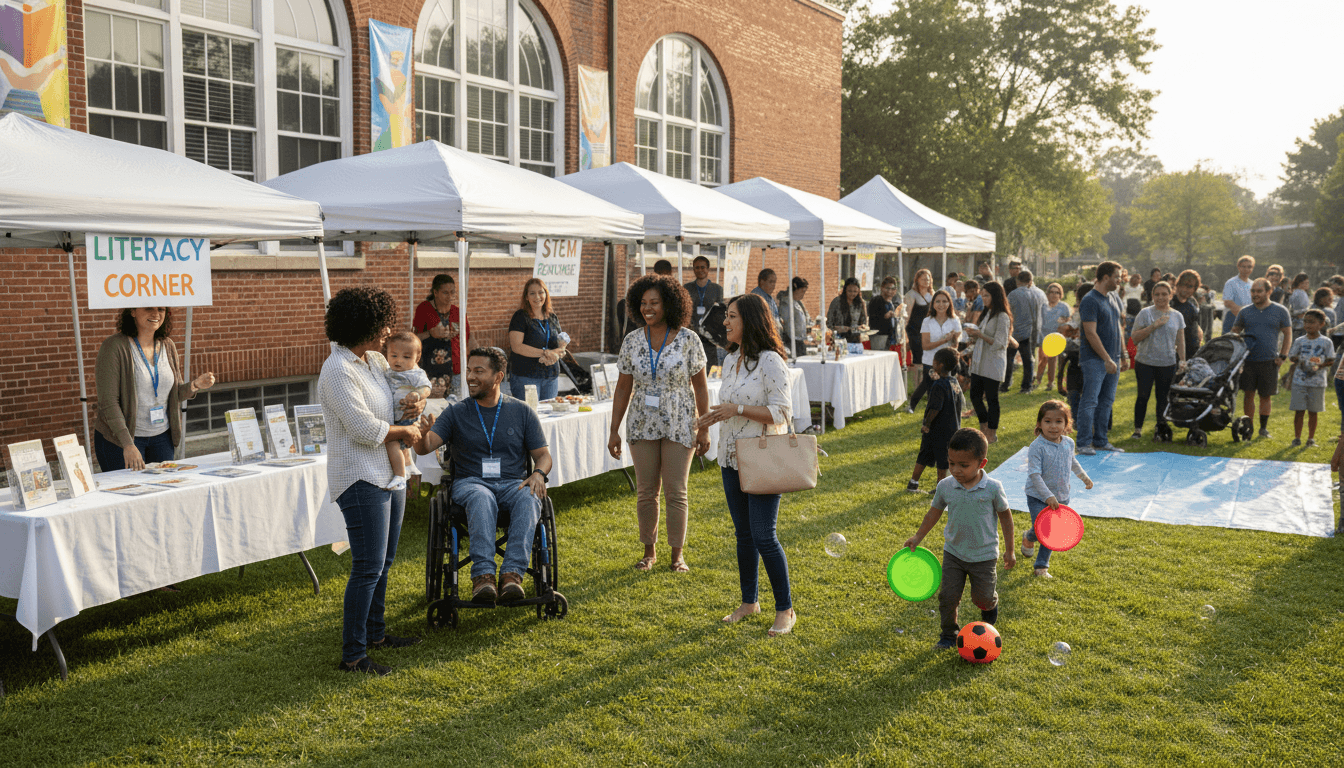
School Community Award Newsletter: Recognizing Partners, Volunteers, and Supporters
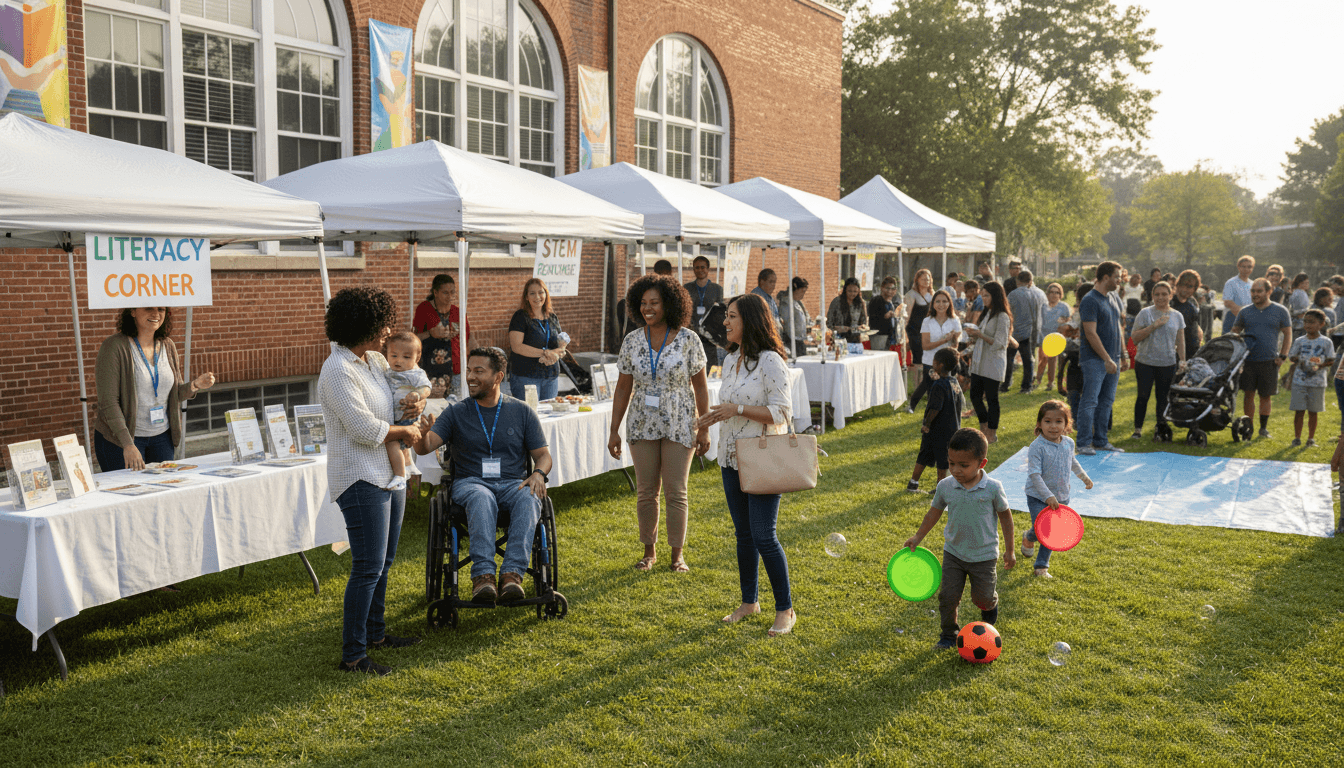
The people who support your school, business owners who donate supplies, volunteers who show up every Tuesday, community organizations that fund programs, rarely expect public recognition. That is exactly why giving it matters. A newsletter that names and celebrates contributors builds the relational fabric that makes a school community more than a collection of enrolled students.
Name the Contribution, Not Just the Person
Recognition that says "Thank you to Maria Santos for her incredible support" tells the community that Maria did something nice. Recognition that says "Maria Santos volunteered 120 hours in our school library this year, individually helping 34 students find books they were excited to read" tells the community what Maria actually did and why it mattered.
Specific contributions are more honoring than vague praise. They also communicate to other community members what kinds of contribution are valued and possible, which functions as quiet recruitment for future volunteers.
Let Recipients Speak for Themselves
A brief quote from the award recipient, about what the work has meant to them or what they have witnessed, adds dimension to institutional recognition. It humanizes the newsletter and gives recipients a voice in their own story.
Keep the quote short and genuine. "I started coming in to help with reading groups and ended up being here every week because I could see the students were getting it. That was enough for me." That quote tells a real story. It is more effective than any amount of institutional praise.
Establish Criteria and Stick to Them
Schools that recognize community members without published criteria risk the recognition appearing political, personal, or inconsistent. A brief statement of how recipients are selected, published once at the start of a recognition program, removes that risk.
"Recipients of the Community Partner Award are nominated by staff and selected by the School Advisory Council based on sustained contribution, meaningful impact on students, and consistent follow-through on commitments to the school." That paragraph takes three sentences and eliminates the ambiguity that can turn well-intentioned recognition into community controversy.
Recognize Individual Volunteers and Institutional Partners Separately
A business that donated $5,000 to your science program and a grandmother who reads to kindergarteners every Friday both deserve recognition, but they deserve different recognition. The business partner contribution is institutional and financial. The grandmother's contribution is personal and relational.
Separate recognition categories that match the nature of the contribution, or at least separate newsletter sections, prevent the recognition from feeling like a single homogenized praise list. Each category of contributor should feel recognized for what they actually did.
Extend Recognition Beyond the Newsletter
A newsletter recognition is meaningful on its own. It becomes a community artifact when it is also displayed in the school hallway, posted to the school's social media with permission, and included in the annual report or end-of-year community letter. The newsletter initiates the recognition. The physical and ongoing presence sustains it.
Get one newsletter idea every week.
Free. For teachers. No spam.
Frequently asked questions
Why should schools formally recognize community contributors through newsletters?
Public recognition does several things at once. It rewards the people being recognized, which motivates continued involvement. It signals to the broader community what kinds of contribution the school values. It gives families visibility into who supports their school. And it creates a social record of community investment that persists beyond a single event. A volunteer who is publicly recognized is more likely to return. A business that is publicly thanked is more likely to donate again.
What information should a community award newsletter include?
The name of the award and its criteria, if the award is recurring and has a formal name. The recipient's name and affiliation. A specific description of what they contributed, not general praise. A quote from the award recipient, if available. A quote from a student or staff member, if it adds genuine meaning. The date and context of the recognition, if it coincides with an event. Keep it focused on the actual contribution, not on elaborate praise.
How do you avoid community recognition feeling political or like favoritism?
Publish the criteria for recognition before announcing recipients, so families understand how selections are made. Use a consistent selection process, whether a committee, a student vote, or a staff nomination. Rotate recognition across different types of contributors over time: business partners, individual volunteers, community organizations, and neighborhood institutions. When recognition is predictable, transparent, and varied, it reads as genuine rather than political.
How often should schools publish community recognition newsletters?
Annual formal recognition is standard, often aligned with volunteer appreciation week in April or end-of-year celebrations. Monthly or quarterly informal recognition, a brief newsletter item naming a volunteer of the month or thanking a recent donor, keeps appreciation visible throughout the year without requiring a formal event each time. Both serve different purposes and together build a culture of acknowledgment.
How does Daystage support community recognition newsletters?
Daystage lets schools schedule recognition newsletters to align with award events, volunteer appreciation week, or end-of-year milestones. A recognition item can be added to an existing newsletter issue without requiring a standalone send. The platform's image support lets schools include a photo of the award recipient alongside the recognition copy, making the acknowledgment more personal and visible.

Adi Ackerman
Author
Adi Ackerman is a former classroom teacher and curriculum writer with 8 years in K-8 schools. She writes about school communication, parent engagement, and what actually works in real classrooms.
More for Community Outreach
School Community Health Fair Newsletter: How to Plan, Promote, and Follow Up
Community Outreach · 5 min read
School Naming and Renaming Community Newsletter: Engaging the Community in a Significant School Decision
Community Outreach · 5 min read
Community Input Newsletter: How Schools Collect Family Feedback on School Planning
Community Outreach · 5 min read
Ready to send your first newsletter?
3 newsletters free. No credit card. First one ready in under 5 minutes.
Get started free