
How to Write a Thanksgiving Classroom Newsletter to Parents
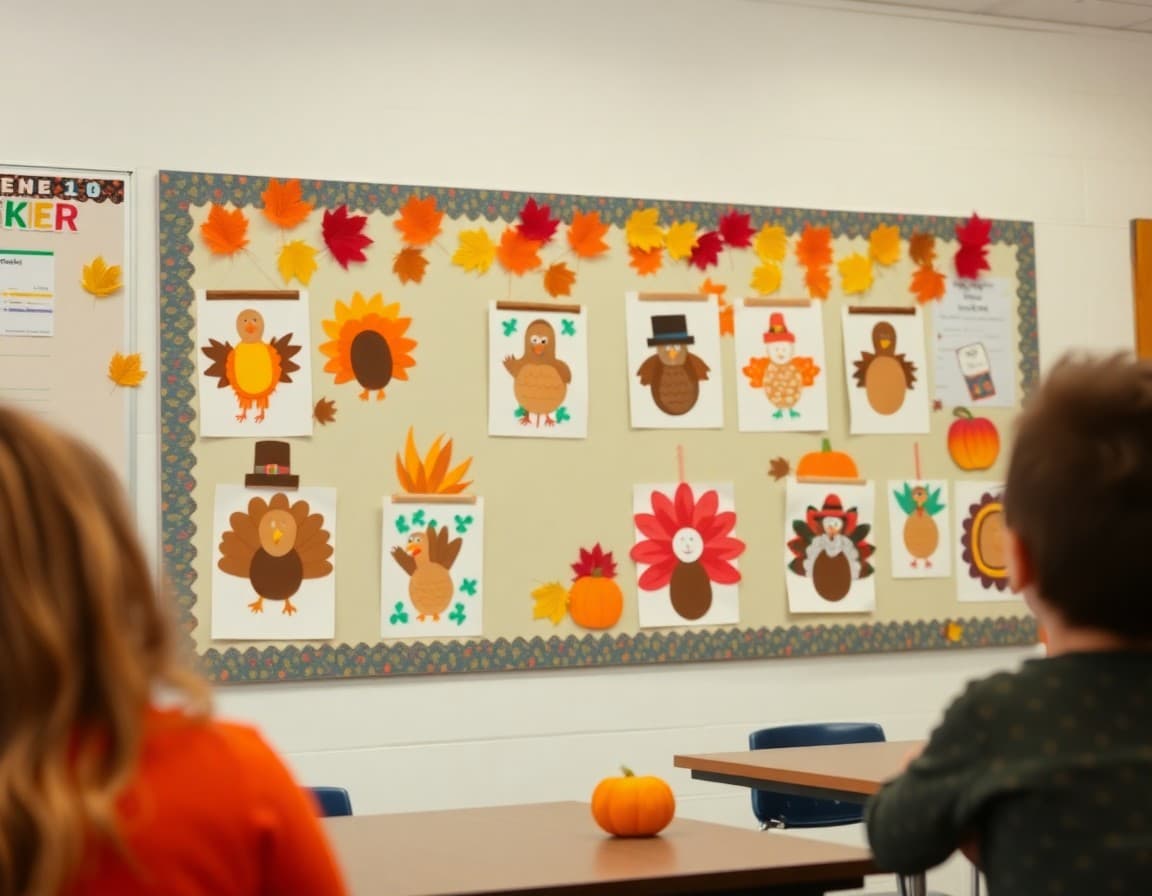
Thanksgiving newsletters require more care than most holiday communications because the holiday sits at the intersection of family tradition, national history, and genuine cultural complexity. A newsletter that handles all three levels thoughtfully serves every family in your classroom, creates meaningful family conversations, and reflects well on you as a teacher who thinks carefully about what you are teaching and why.
Share what you are teaching and how
Tell families what concepts you are exploring. Gratitude, community, harvest traditions, or historical context depending on your grade level and curriculum. Be specific about your approach. "We are reading stories about different ways communities across cultures have celebrated harvest seasons. We are also practicing gratitude as a habit, not just a Thanksgiving activity." Families who know what is happening in class can extend the conversation at home.
Be honest about historical complexity at your grade level
Families across your class will have different expectations about how Thanksgiving is taught. Some want the traditional narrative. Others want critical perspective. A brief honest description of your approach manages expectations. "At this grade level, we explore the holiday through the lens of gratitude and community while acknowledging that the full history of this period is complex. I try to present an age-appropriate, honest picture." Most families, regardless of their leanings, respect this framing.
Describe classroom activities and events
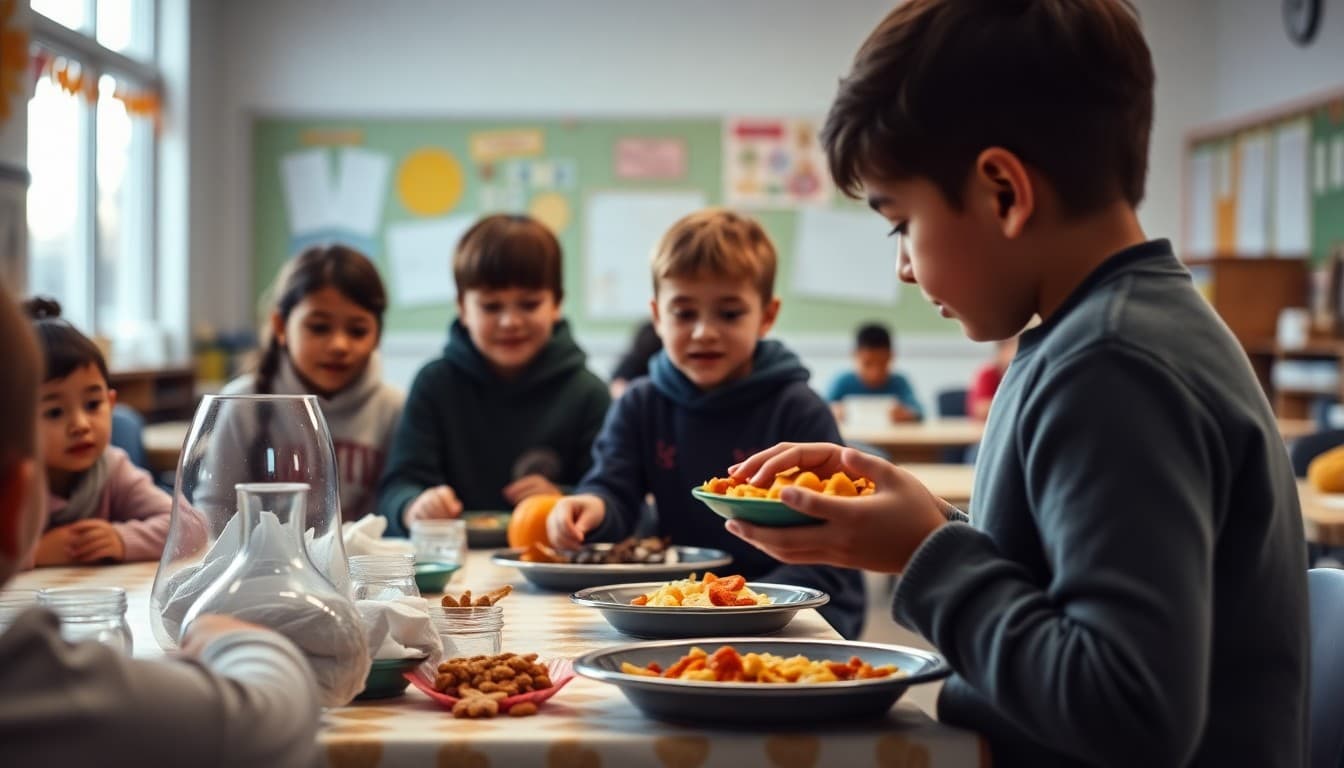
If you are doing a classroom feast, a craft project, a read-aloud, or a gratitude circle, tell families what to expect. Include logistics for any food activities: what you need, allergy restrictions, and what families should or should not bring. "We are having a classroom feast on [date]. If you would like to contribute, please see the sign-up form below. Our classroom is peanut-free."
Give families conversation starters
Thanksgiving is one of the best times to send home a few thoughtful conversation prompts because many families are already gathering and talking. "You might try: What are you most grateful for from this school year so far? What is something our family has that we might take for granted? Is there something hard that happened this year that taught you something?" These questions connect school learning to the family table.
Acknowledge diverse family traditions
Not every family celebrates Thanksgiving in the same way. Some families have complicated relationships with the holiday. Some are recent immigrants for whom it is a new or unfamiliar tradition. A brief, warm acknowledgment goes a long way. "However your family marks this time of year, I hope it is restful and meaningful." That one sentence costs nothing and tells every family that you see them.
Mention the schedule around the break
Families want to know about any schedule changes in the days around the break. When is the last day before the holiday? Are there any special events? When do students return? Cover this briefly so families can plan. "School is in session through [Wednesday] and returns on [Monday]. I will send any important updates before the break."
Close with something warm
Thanksgiving is one of the natural moments in the school year to express genuine appreciation for the families you work with. A brief, honest note at the close of the newsletter earns goodwill that carries through the rest of the year. "I am genuinely grateful for this class and for the families who are part of it. Have a wonderful break."
Daystage makes it easy to send a warm, well-organized Thanksgiving newsletter with activity updates, a contribution sign-up, and a family conversation guide all in a single send that arrives looking polished and reading like a person wrote it.
Get one newsletter idea every week.
Free. For teachers. No spam.
Frequently asked questions
What should I include in a Thanksgiving classroom newsletter?
What you are teaching or exploring related to Thanksgiving, how you are handling the historical complexity of the holiday at your grade level, any classroom events or food activities, and conversation starters families can use at home. A newsletter that connects school and home creates the best Thanksgiving conversations.
How do I handle the historical complexity of Thanksgiving in my newsletter?
Be honest and age-appropriate. You can teach gratitude and community without presenting a simplified or revisionist narrative. Acknowledging that the history of the holiday is complex and that you are teaching multiple perspectives is honest and respected by most families.
Should I have a classroom Thanksgiving feast or food activity?
If you do, communicate it clearly in your newsletter with full allergy information and clear contribution guidance. If you are not doing one, say so early to prevent families from planning to bring food on their own.
How do I connect Thanksgiving learning to families from diverse backgrounds?
Frame gratitude and community as universal rather than specifically tied to a national holiday. 'We are exploring what gratitude looks like in different traditions and cultures' is more inclusive than focusing exclusively on the Pilgrim narrative.
Can Daystage help me send a Thanksgiving newsletter with activity updates and sign-ups?
Yes. Daystage lets you include activity photos, meal contribution sign-ups, and family conversation starters all in one newsletter.

Adi Ackerman
Author
Adi Ackerman is a former classroom teacher and curriculum writer with 8 years in K-8 schools. She writes about school communication, parent engagement, and what actually works in real classrooms.
More for Classroom Teachers
Ready to send your first newsletter?
3 newsletters free. No credit card. First one ready in under 5 minutes.
Get started free