
How to Write a Winter Holiday Classroom Newsletter to Parents
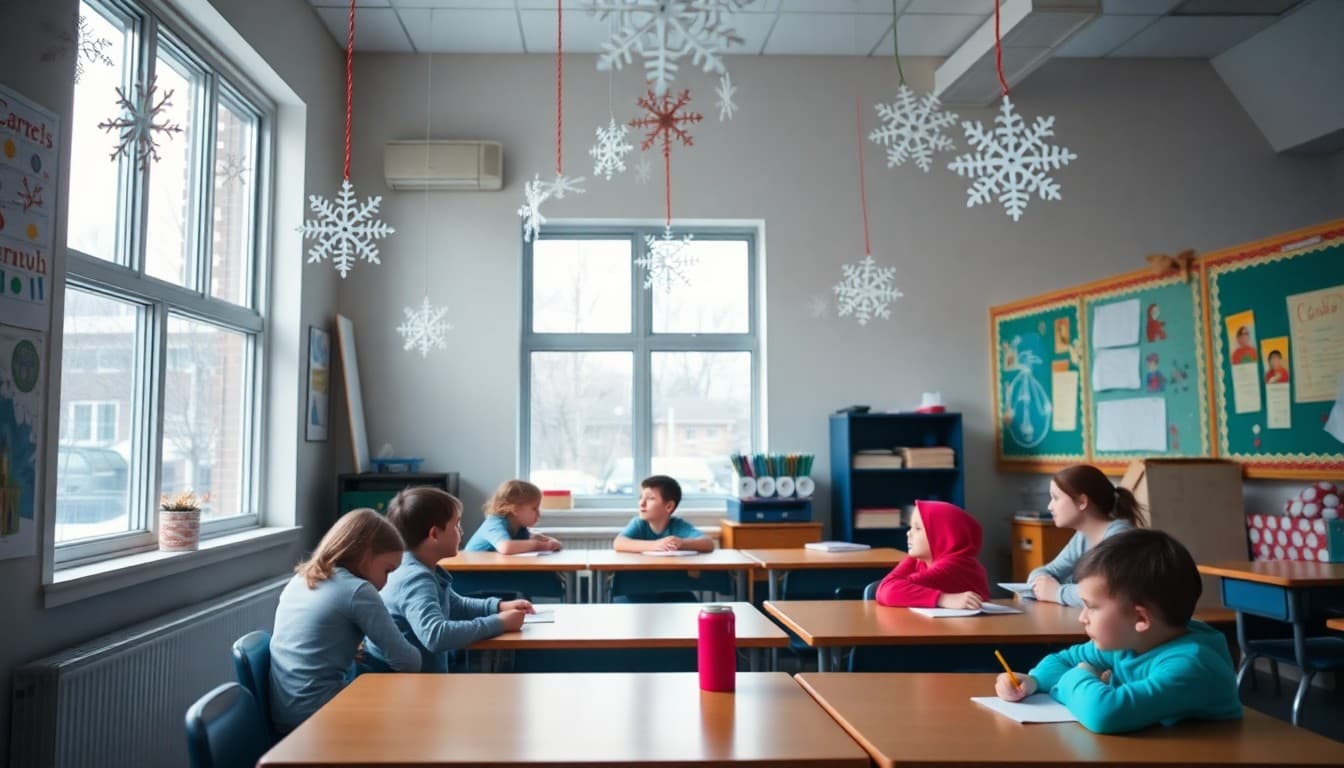
The winter holiday newsletter arrives at a moment when families are already busy, distracted, and managing multiple schedules. It also arrives at a moment when they are often the most emotionally responsive to communication from their student's teacher. A newsletter that is warm, clear, and genuinely inclusive makes the end of the semester feel like a positive handoff rather than just another administrative document.
Cover the end-of-semester logistics first
Tell families the key dates they need to know. Last day of school, whether report cards come out before or after the break, winter break start and end dates, and when students return in January. "The last day of school is [date]. Report cards will be available through the student portal on [date]. School resumes on [date]." These three sentences answer 80% of the logistical questions families have at this point in the year.
Describe your classroom celebration clearly
If you have a winter party or classroom event, cover the full logistics. Date, time, format, whether parents are invited, contribution needs, and allergy reminders. Keep it specific. "Our winter classroom celebration is on [date] from [time] to [time]. We will have crafts and a snack. Families are welcome to attend. If you would like to contribute a snack, please see the sign-up below and remember our classroom is peanut-free and tree nut-free."
Use inclusive seasonal language
Your classroom includes families who celebrate Christmas, Hanukkah, Kwanzaa, Diwali, and no holiday at all. A newsletter that assumes everyone celebrates the same way excludes some families even when that is not the intent. Seasonal language is both more accurate and more welcoming. "I hope your family enjoys a warm and restful winter break, however you celebrate the season." Every family can read that sentence and feel included.
Acknowledge what you are teaching about winter traditions
If your curriculum includes cultural exploration around winter holidays, tell families what you are covering and why. "We have been exploring winter traditions from around the world, including Hanukkah, Kwanzaa, the Winter Solstice, and Christmas. The goal is to understand the ways different communities mark this season and to find the common themes across them." This framing is both educational and respectful of every family in the room.
Prepare families for what comes after the break
The week families most need to know about is January. Tell them what is coming. New units beginning, assessments scheduled, any curriculum shifts to expect. "When we return in January, we will begin our new reading unit on biography and launch our spring science project. We also have our mid-year reading benchmark in the second week of January." Families who know this arrive in January prepared rather than surprised.
Give a brief reading or learning suggestion for the break
A low-pressure suggestion for maintaining learning over the break is useful without being prescriptive. "If your student wants to keep their reading going over break, I have a short list of book recommendations at their level attached. No expectation, just options." Families who want to support learning have something to use. Families who just want to rest hear no obligation.
Close with genuine warmth
This newsletter is one of two or three moments in the year when a warm, personal close carries the most weight. "Thank you for a wonderful first semester. This class has surprised me in the best ways. I am looking forward to what we build in the second half of the year." That kind of specific, genuine close is the last thing families read before winter break. Make it worth reading.
Daystage lets you build a beautiful winter newsletter with a celebration sign-up, break schedule, and January preview all in one send. It is the most complete and least stressful way to close out the semester.
Get one newsletter idea every week.
Free. For teachers. No spam.
Frequently asked questions
What should I include in a winter holiday classroom newsletter?
End-of-semester information, any classroom celebrations and their logistics, winter break dates and return date, what families can expect in January, and a warm acknowledgment of the season that is inclusive of the range of traditions your families observe.
How do I write a holiday newsletter that is inclusive of diverse family traditions?
Use seasonal and community language rather than specific holiday language when writing to the whole class. 'Wishing your family a restful and joyful winter break' is inclusive in a way that 'Merry Christmas and Happy New Year' is not. You can still teach about specific holidays in the classroom without the whole-class newsletter being holiday-specific.
Should I mention specific holidays like Hanukkah, Kwanzaa, or Christmas in the newsletter?
If you are teaching about them in class, mention what you are covering and why. If the newsletter is a general communication to all families, keep it seasonal rather than holiday-specific. Most teachers find that parents across different traditions appreciate inclusive language and do not expect their specific holiday to be named in class communications.
What logistical information should I cover before winter break?
The last day of school, whether there are any end-of-semester assignments due, winter break start and end dates, when school resumes, and whether there are any January assessments families should know about now.
Can Daystage help me send a winter newsletter with celebration sign-ups included?
Yes. Daystage lets you embed a party contribution form and a winter break schedule all in one newsletter so families get everything in a single send.

Adi Ackerman
Author
Adi Ackerman is a former classroom teacher and curriculum writer with 8 years in K-8 schools. She writes about school communication, parent engagement, and what actually works in real classrooms.
More for Classroom Teachers
Ready to send your first newsletter?
3 newsletters free. No credit card. First one ready in under 5 minutes.
Get started free