

How to Write a Writing at Home Tips Newsletter for Families
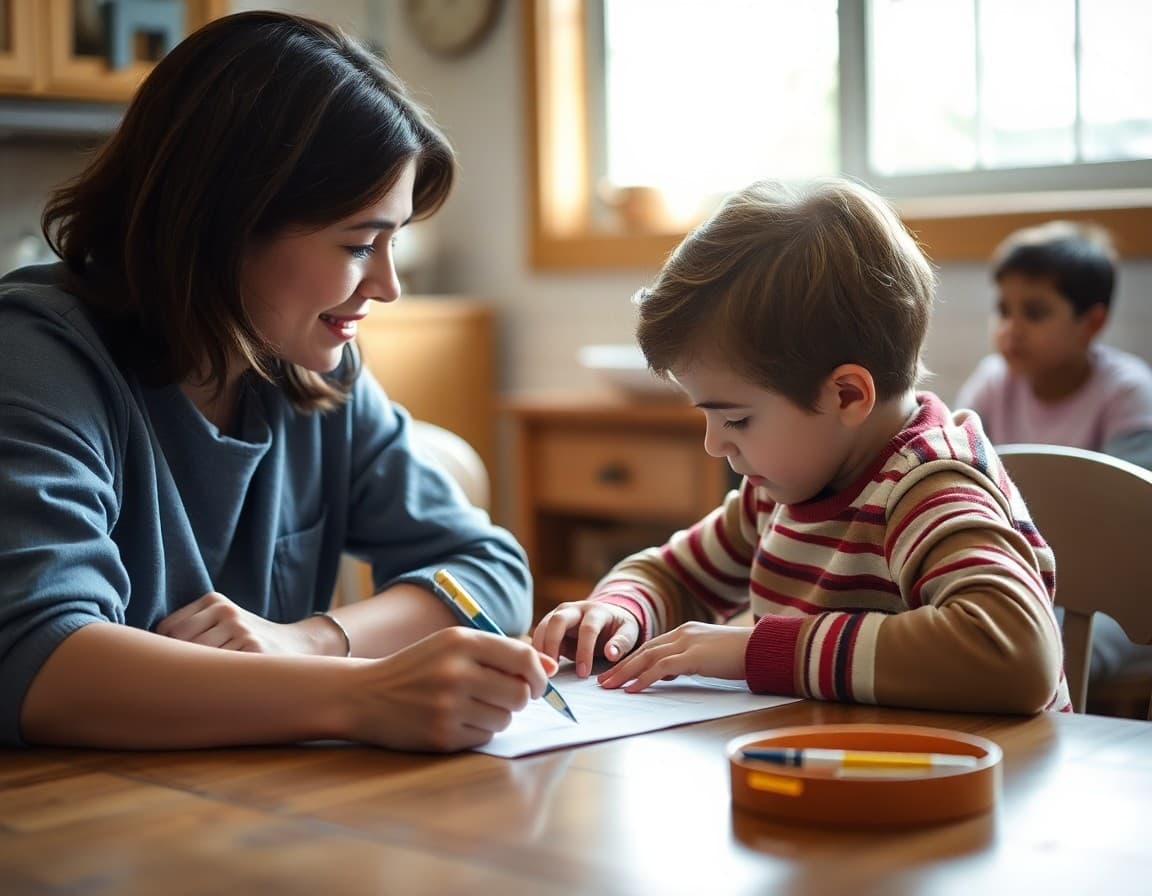
Writing at home newsletters work best when they give families a completely different picture of writing than "sit down and write a paragraph." The writing that builds confidence and skill at home looks more like a shopping list, a letter to a friend, a review of last night's dinner, or a running joke book than a formal assignment. Your newsletter's job is to make that visible.
Reframe writing as communication, not performance
Start by expanding what writing means. Writing is any time someone uses text to communicate something they care about. A caption under a drawing, a text to a relative, a shopping list they helped create, a note tucked into a family member's lunch. Families who recognize these acts as writing start seeing opportunities for it everywhere rather than waiting for a specific writing time.
Connect to current classroom writing work
Tell families what genre or type of writing your class is working on and suggest at-home activities that naturally connect. If students are writing personal narratives, invite families to ask their student to tell and then write about a specific memory from a family event. If the class is working on persuasive writing, family dinner decisions become a real-world persuasion opportunity. Relevance makes suggestions actionable.
Suggest purposeful writing opportunities
Give families a short list of real-world writing purposes their student could take on. A letter to a grandparent or cousin. A birthday card that goes beyond two sentences. A review of a book, movie, or game posted on a family shared doc. A recipe they want to share. A comic strip about something funny that happened. These are all genuine writing with real audiences and real purposes.
Offer a few open-ended prompts
Some students will want a starting point. Give three or four prompts that are open enough to allow genuine expression. "Write about a time you felt really proud." "Describe your favorite place using every sense." "Write a letter to yourself to open in five years." Good prompts invite reflection without requiring a specific answer, which means every student's response will be their own.
Address the mechanics-versus-expression tension
Give families guidance on how to respond to home writing. For personal and pleasure writing, focus on the ideas and the storytelling, not the spelling. Ask about the content: what happened, what were they thinking, what did they want you to know. For writing that is being prepared for a specific purpose like a letter that will be mailed, light editing support is fine. Helping families navigate this distinction reduces the well-meaning red-ink damage that sometimes derails young writers.
Mention the role of reading in writing development
Writers need to be readers. The sentence structures, vocabulary, narrative techniques, and expressive options students encounter in reading become resources for their own writing. Families who read aloud and who support independent reading at home are already doing one of the most powerful things available for their student's writing development, even when no writing is happening.
Note the value of physical writing tools
Some students write more and more willingly when they have tools they enjoy using. A special notebook, colored gel pens, a nice pencil case. These are small investments that signal that writing is an activity worth caring about. Families who give their student a dedicated space and a dedicated set of writing tools often see increased voluntary writing in response.
Daystage makes it easy to send a writing at home newsletter at the start of each new writing unit so families always have current, relevant suggestions for extending your classroom work into their home life throughout the year.
Get one newsletter idea every week.
Free. For teachers. No spam.
Frequently asked questions
How do I encourage writing at home without making it feel like homework?
Connect writing to purposes the student cares about. Writing to a grandparent or cousin. Keeping a joke book. Making a menu for a pretend restaurant. Writing a review of a movie or game. When writing serves a real purpose the student chose, the act of writing feels like expression rather than obligation.
What is the best thing families can do to support writing development at home?
The single most effective thing is reading aloud to their student. Exposure to well-crafted language through reading is the foundation of good writing. Beyond that, providing tools students enjoy using (interesting pens, a special notebook, a tablet) and creating low-stakes opportunities to write builds confidence over time.
Should families correct their child's spelling and grammar in home writing?
This depends on the purpose of the writing. For formal assignments, editing support is appropriate. For personal journals, letters, and free writing, prioritizing the message over mechanics is usually better. Students who fear red ink on their personal writing often write less. Fluency and confidence come before technical accuracy in early writing development.
How does home writing connect to classroom writing instruction?
Home writing builds the writing stamina, vocabulary, and expressive confidence that make classroom writing instruction more effective. A student who writes regularly at home for pleasure is more fluent, more willing to take risks in their writing, and more able to generate ideas quickly than a student for whom writing only happens at school.
What tool helps teachers send writing at home newsletters?
Daystage makes it easy to send a writing at home newsletter with specific prompts and activity ideas that connect to your current writing unit so families have relevant, engaging options for home practice.

Adi Ackerman
Author
Adi Ackerman is a former classroom teacher and curriculum writer with 8 years in K-8 schools. She writes about school communication, parent engagement, and what actually works in real classrooms.
More for Classroom Teachers
Ready to send your first newsletter?
3 newsletters free. No credit card. First one ready in under 5 minutes.
Get started free