How to Write a Storytelling Unit Newsletter to Families
Storytelling unit newsletters are an opportunity to do something most curriculum newsletters do not: invite families to actually participate in the learning at home. Storytelling happens naturally in family contexts, and families who understand what you are building in the classroom can draw connections to the storytelling that already happens at dinner tables, on long drives, and at bedtime.
Open with the universal human context
Start by naming what storytelling is in human terms. It is how cultures pass knowledge between generations. It is how we make sense of events that happen to us. It is how we develop empathy by imagining ourselves in someone else's situation. A class unit on storytelling is not just about narrative structure worksheets. It is about a practice that is central to what it means to be human. That frame makes the unit feel significant.
Describe the specific skills the unit develops
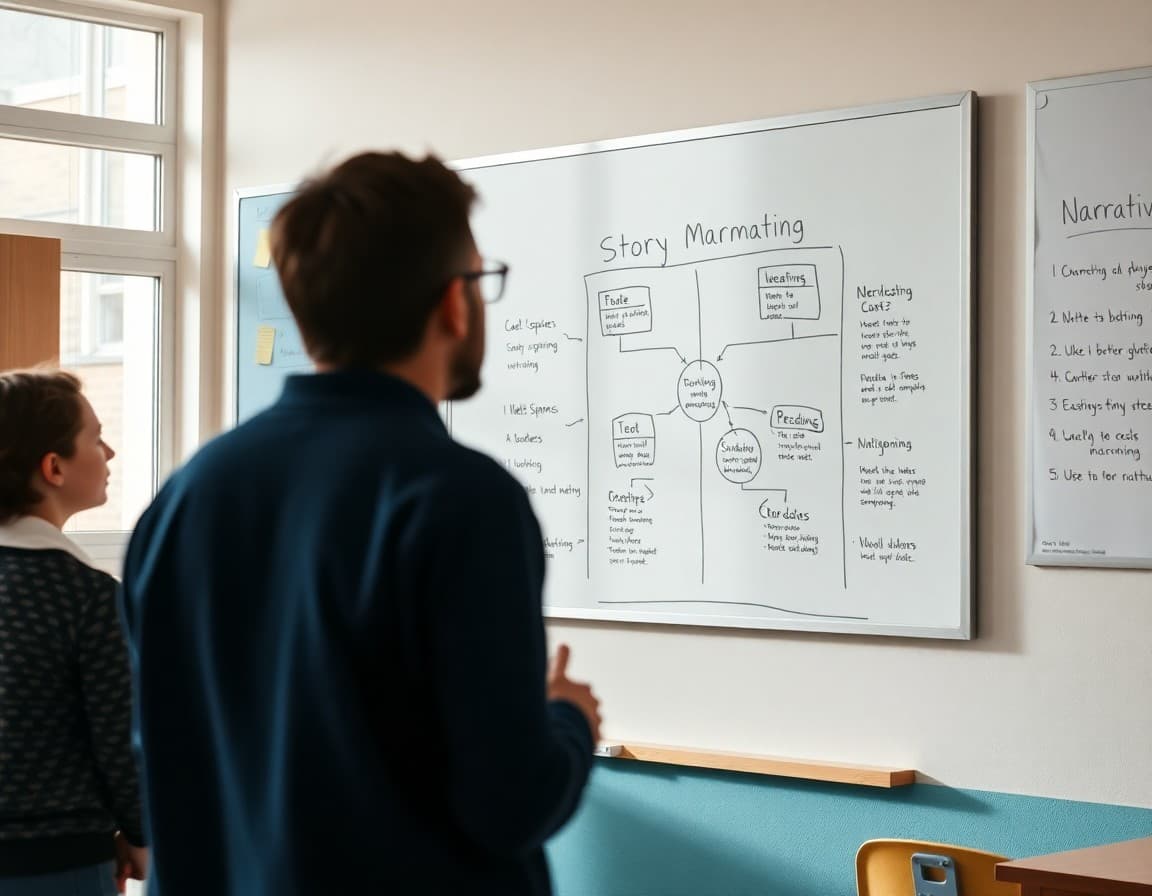
Name the skills explicitly. Oral fluency and expression. Narrative structure: beginning, middle, end. Story arc: introduction, complication, rising action, climax, resolution. Character development. Setting and descriptive detail. The use of dialogue. Audience awareness. Written composition. These skills appear across every subject and every standardized test students will encounter. Families who see this connection understand the unit's academic value.
Explain the oral storytelling component
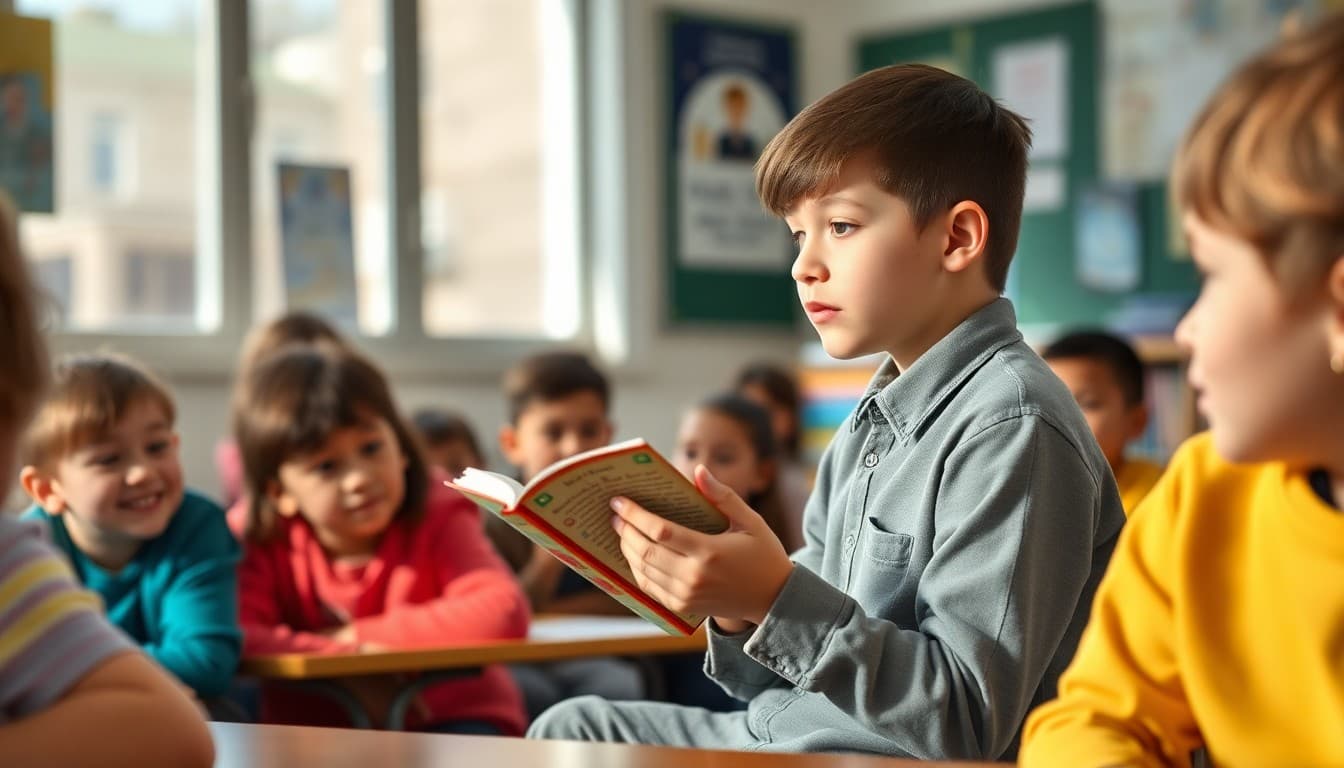
Many parents assume storytelling units are primarily writing units. Clarify that oral storytelling is a central component. Students are developing their speaking voice, learning to hold an audience, practicing the art of beginning a story in a way that creates immediate engagement. Oral narrative skills are genuine literacy skills and they transfer directly to written work.
Connect to family storytelling traditions
Ask families to do something they may already do: tell stories. Family stories about relatives, places, traditions, and memorable events are the richest raw material for young storytellers. A student who hears a grandparent's immigration story, a parent's childhood memory, or a family legend at home and then brings the structure of that story into class work is developing exactly the skills the unit is designed to build.
Give families specific storytelling prompts
Suggest prompts families can use to start storytelling conversations at home. "Tell me about a time you were really scared and then everything turned out okay." "What is your favorite story from when you were my age?" "What is one thing that happened in our family that you want me to always remember?" These prompts generate real narratives and naturally involve the structural elements students are studying in class.
Describe the culminating activity
Tell families how the unit will end. A storytelling circle where each student shares their story. A written collection of class stories. A podcast-style audio recording. A family storytelling night. Whatever the culminating activity is, describing it in the launch newsletter gives students a target to work toward and gives families something to anticipate.
Share a story yourself
If your newsletter includes a brief story, a one or two sentence anecdote from your own life or classroom, it demonstrates what you are asking students to do and gives families a model for the kind of storytelling your unit values. A teacher who tells stories in their newsletter about storytelling is walking the walk in a way families notice.
Daystage makes it easy to send a storytelling unit newsletter that invites families into genuine participation in the learning, and to follow up with updates from the unit that keep the storytelling conversation alive throughout the weeks you spend on it together.
Get one newsletter idea every week.
Free. For teachers. No spam.
Frequently asked questions
What skills does a storytelling unit develop?
Oral language fluency, narrative structure, voice and perspective, sequencing, descriptive detail, audience awareness, listening, and written composition. Storytelling is one of the oldest and richest forms of human communication and it develops skills that transfer across every subject and context.
How can families support storytelling at home during the unit?
By telling stories themselves. Family stories, stories from their own childhoods, stories about where relatives came from, stories about memorable experiences. Students who are surrounded by storytelling naturally absorb narrative structure and develop their own storytelling voice. Reading aloud also transfers to oral storytelling in ways that surprise many parents.
How is oral storytelling connected to written narrative skills?
Oral storytelling develops the same structural thinking that written narrative requires: a beginning that sets the scene, a middle with rising tension or development, and an end that resolves something and leaves the listener changed. Students who can tell a story orally with structure almost always transfer that structure to their writing.
What is the difference between a personal narrative and a fictional story in a storytelling unit?
Your newsletter should clarify which type of storytelling the unit focuses on. Personal narratives draw from lived experience and develop voice, honesty, and the ability to find meaning in real events. Fictional stories develop imagination, plot construction, character development, and creative world-building. Both are valid and most units explore both.
What tool helps teachers communicate about storytelling units?
Daystage makes it easy to send a storytelling unit newsletter with family engagement suggestions so parents become active partners in extending the storytelling work your class is doing.
Adi Ackerman
Author
Adi Ackerman is a former classroom teacher and curriculum writer with 8 years in K-8 schools. She writes about school communication, parent engagement, and what actually works in real classrooms.
More for Classroom Teachers
Ready to send your first newsletter?
3 newsletters free. No credit card. First one ready in under 5 minutes.
Get started free