
Teacher Newsletter for Writers Celebration: Honor Student Work

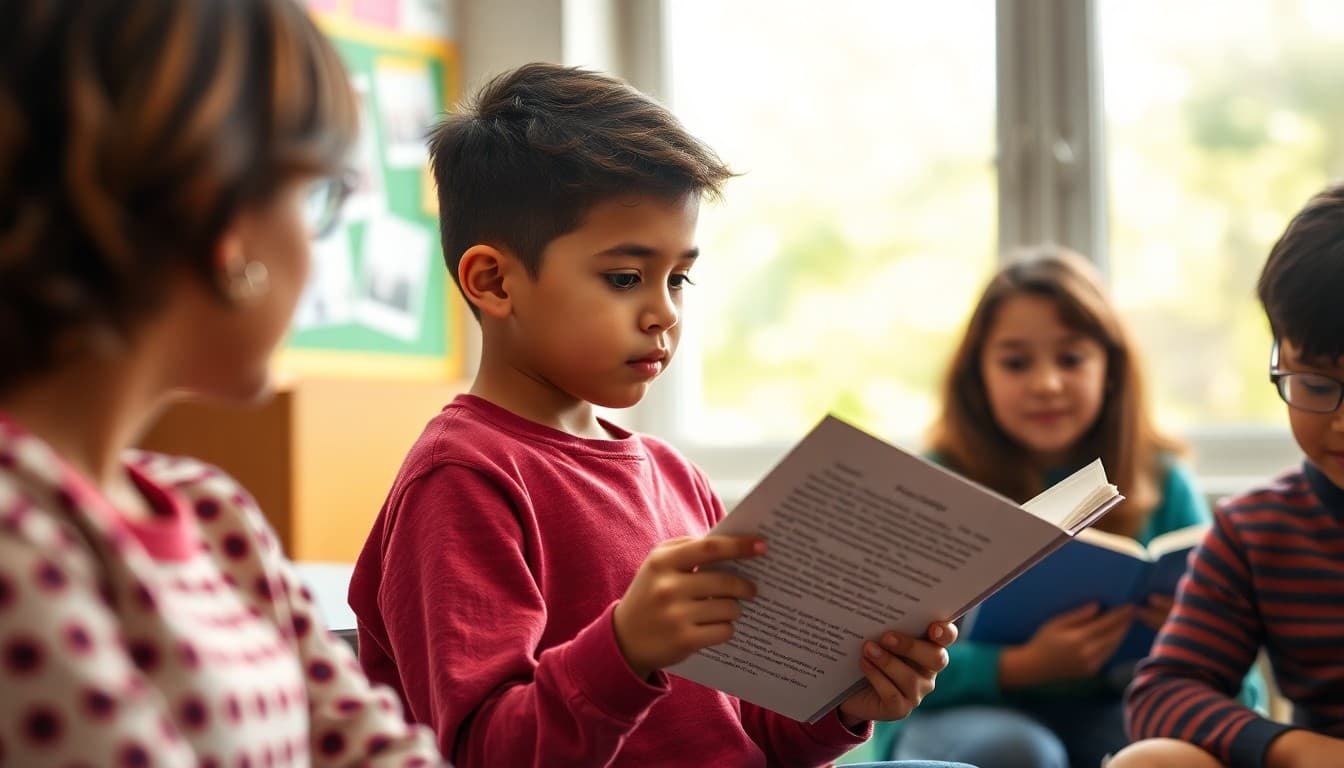
A writers celebration is the moment a writing unit becomes real. Students who have drafted, revised, and published their work stand in front of an audience and read it aloud. Your newsletter is what prepares that audience, builds anticipation for the event, and ensures families show up in the way their young writer needs them to.
Build Excitement Before the Event
Send the writers celebration newsletter at least a week before the event. Describe what students have been working on in the writing unit: personal narratives, poetry, informational writing, fiction. Name the genre and give a brief description of the process students went through. Families who understand that their child spent weeks on a piece of writing arrive to the celebration with appropriate appreciation.
Describe the Event Format
Some writers celebrations are seated readings where each author takes a turn at the front. Others are more like gallery walks where writing is displayed and students stand by their work. If families will circulate or if there is a formal order, explain it. Families who know the format can follow the event with confidence rather than looking around trying to figure out what is expected of them.
Coach Families on Being a Good Audience
Young writers are nervous. The audience matters enormously. Your newsletter can give families a brief role description: listen with full attention, applaud generously, and ask one question about the writing after the event. Even a single sentence like "your child has worked hard on this and your listening is the best thing you can bring tonight" can shift how families show up.
Give the Logistics
Date, start time, expected duration, building entry, whether siblings and extended family are welcome, and whether there will be any refreshments. A writers celebration is a special event, and families often want to invite a grandparent or bring a sibling. Let them know whether that is appropriate and welcome.
Share a Teaser Without Spoiling the Moment
You can build anticipation without revealing the full content of each student's piece. Mention the writing theme, a memorable moment from the revision process, or a single line from a student who has agreed to be previewed. That teaser makes families feel like they are seeing something prepared just for them.
Follow Up with the Celebration Itself
After the event, send a short thank-you newsletter with a photo from the celebration and a few words about what students accomplished. Using Daystage, that follow-up message takes minutes to produce and gives the celebration a final piece of documentation that families keep and remember.
Get one newsletter idea every week.
Free. For teachers. No spam.
Frequently asked questions
What is a writers celebration and what does the newsletter need to explain?
A writers celebration is an event where students read their published work aloud to an audience of families and peers. The newsletter should describe the format, the date and time, what students have been writing, whether families are seated or walk-around style, and any refreshments or program materials. Families who understand the event arrive in the right mindset.
How do I prepare families to be a good audience for student reading?
Mention in the newsletter that their role is to listen with appreciation, not to correct or critique. Encourage them to make eye contact with the reader, applaud genuinely, and ask their child one question about their writing afterward. That brief coaching helps families show up as the supportive audience every young writer deserves.
Should I share what students wrote in the newsletter preview?
A brief teaser works well without spoiling the performance. You might share the genre students have been working in, the theme of the writing unit, and perhaps a single line from one student with permission. This creates anticipation without replacing the experience of hearing it read aloud.
How do I handle students who are nervous about reading aloud?
Mention in the newsletter that students have been preparing for this moment and have the option to read solo or with a partner. Normalizing nerves and celebrating the choice to share publicly helps families support their child's decision at home without adding pressure.
What tool helps teachers send newsletters efficiently?
Daystage makes writers celebration newsletters easy to produce. You can include the event details, a writing unit preview, RSVP functionality, and family role guidance in one polished message that every family receives on whatever device they use.

Adi Ackerman
Author
Adi Ackerman is a former classroom teacher and curriculum writer with 8 years in K-8 schools. She writes about school communication, parent engagement, and what actually works in real classrooms.
More for Classroom Teachers
Ready to send your first newsletter?
3 newsletters free. No credit card. First one ready in under 5 minutes.
Get started free