
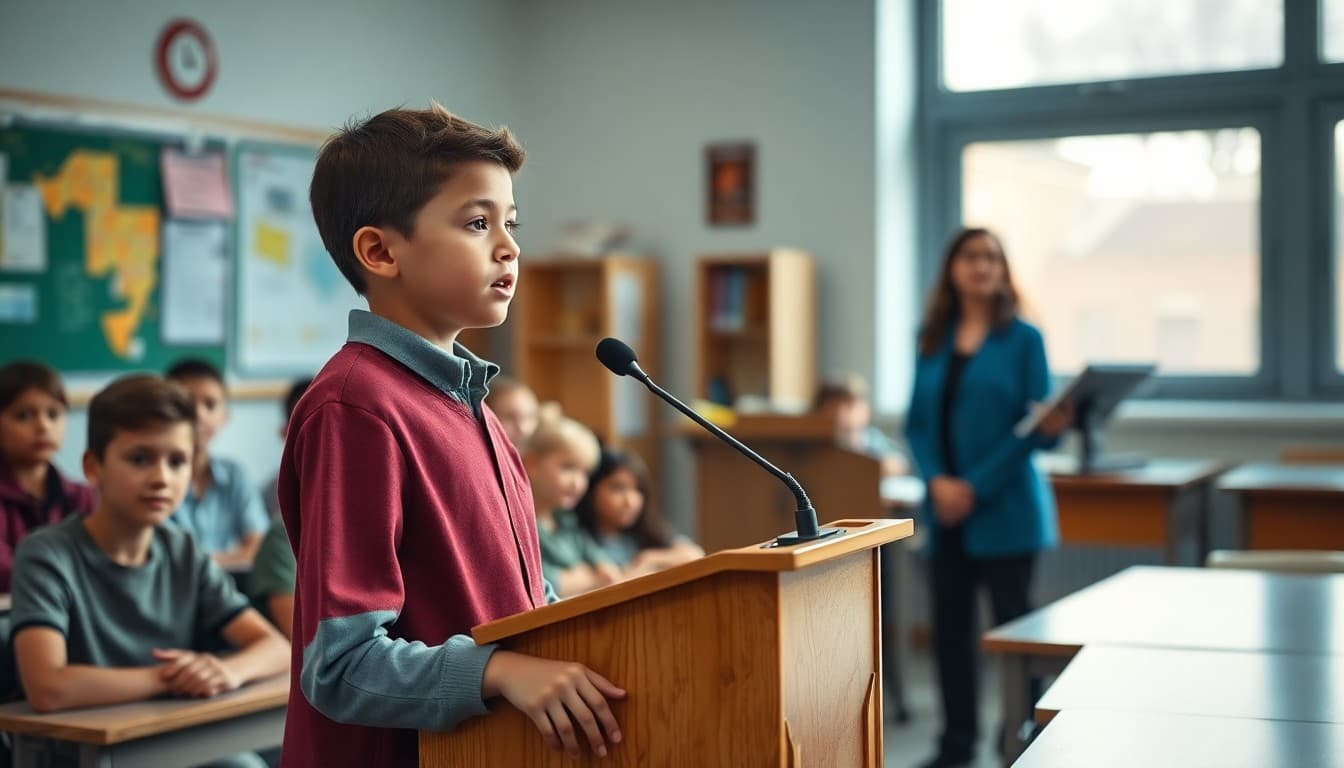
Teacher Newsletter for Speech Competition: Preparing Students and Families
Speech competitions are one of those experiences that can either build a student's confidence for years or create a fear of public speaking that follows them into adulthood. The difference often comes down to how the experience is framed at home. Your newsletter is your best tool for shaping that frame before competition day arrives.
Explain the competition format before students start preparing
Is this an informative speech, a persuasive speech, an original oratory, or an interpretation? What is the time limit? Are notes allowed? How are students judged? Parents who do not know these basics give advice that sometimes contradicts your classroom instruction. A clear format explanation in your first newsletter prevents that confusion.
Describe the topic selection process
Strong speeches come from topics students genuinely care about. Explain to parents how you are guiding topic selection in class and what makes a good speech topic at this level. "Topics that are personal and specific tend to produce better speeches than broad, abstract topics" is a useful guide for parents who might otherwise steer their student toward something safe and generic.
Name what good practice looks like
Out-loud practice is the only kind that helps. Reading the speech silently is not preparation. Give families a specific practice routine: full run-through once per day for the week before competition, standing up, at speaking volume, with brief feedback afterward. This turns home practice from vague encouragement into a clear protocol.
Address anxiety before it arrives
Send a dedicated section on nervousness before competition week. Normalize it. Explain that some adrenaline improves performance. Give students a pre-competition routine: a few deep breaths, a power pose, a mental rehearsal of the first ten seconds. When parents see you taking the emotional preparation as seriously as the content preparation, they follow suit.
Prepare parents for competition day behavior
Tell parents where to sit, whether they can record, how scores are announced, and what to do immediately after their student speaks. The first thing a parent says after a child competes lands hard. Give families a script: lead with a specific observation, then ask how the student felt. Avoid leading with placement.
Celebrate the performance, not the score
In your post-competition newsletter, describe what students did on stage: the ones who made eye contact with the whole room, the ones who recovered when they lost their place, the ones who brought genuine emotion to their piece. These are the specifics that make parents feel like you were watching their student as an individual, not just tracking scores.
Build on competition experience in future classroom work
Tell families how you will carry the skills practiced in competition prep forward into your regular classroom. "The outlining and revision skills we used preparing speeches will come up again in our writing unit" shows parents that this was not a standalone event but part of a broader arc of skill development.
Get one newsletter idea every week.
Free. For teachers. No spam.
Frequently asked questions
What should I include in a speech competition newsletter?
Cover the speech category or format students are using, the topic selection process, the judging criteria, how students are practicing in class, the competition date and logistics, and how families can help with home practice without adding pressure.
How do I address performance anxiety in my newsletter?
Name it directly. Tell parents that nervousness is normal and productive, that the goal of competition is to grow as a speaker, not to eliminate nerves. Give them specific things to say before the event that build confidence without creating pressure.
Should students practice their speech at home?
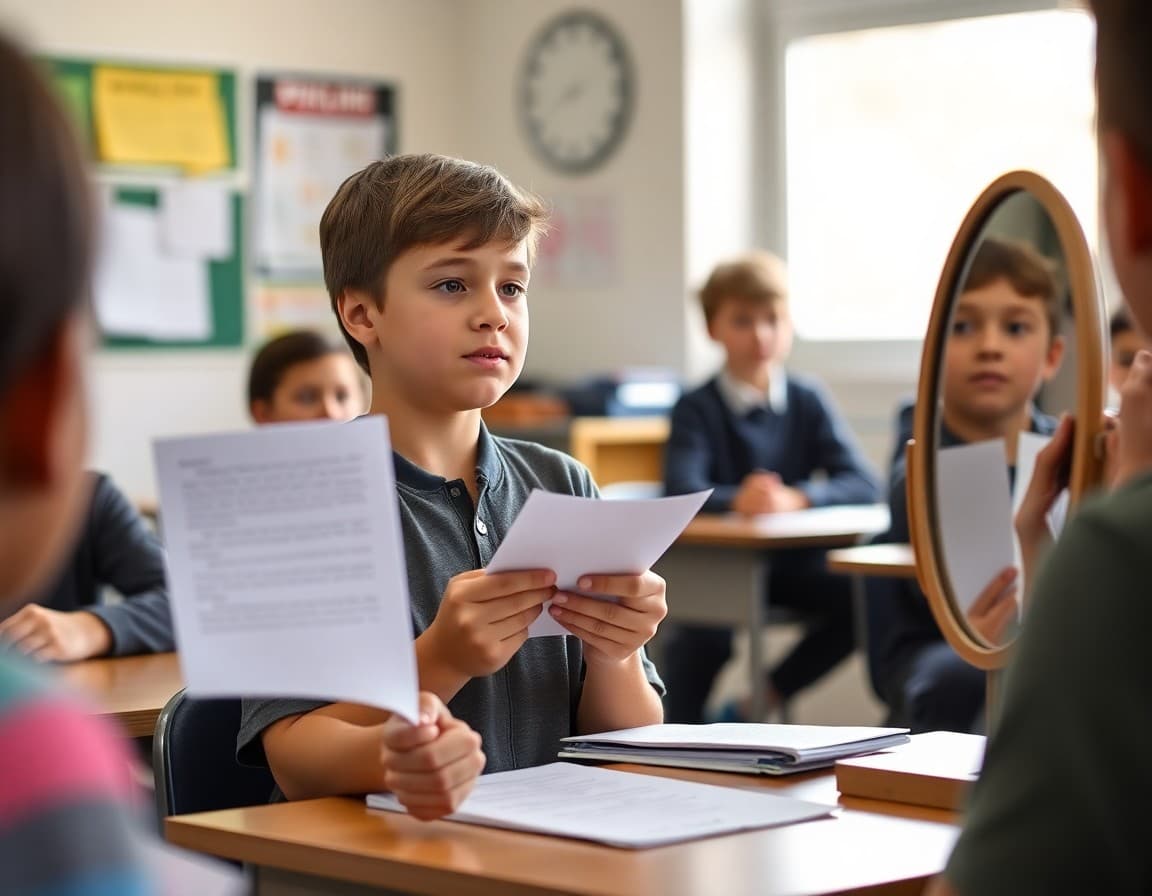
Yes, but with structure. Recommend three to five practice runs in a low-stakes setting: in front of a mirror, for a sibling, or recorded on a phone. More than that and students start to over-rehearse and lose the natural quality. Include this recommendation in your newsletter.
What should parents say after a student competes?
Suggest specific, observation-based feedback rather than judgments about placement. 'I noticed you made eye contact with the audience in the second half' is more useful than 'You did great.' Give parents these phrases in your newsletter so they know how to respond constructively.
Can I use Daystage to send speech competition prep updates throughout the season?
Yes. Daystage works well for a sequence of newsletters that build toward a single event, from topic selection through competition day logistics and results.

Adi Ackerman
Author
Adi Ackerman is a former classroom teacher and curriculum writer with 8 years in K-8 schools. She writes about school communication, parent engagement, and what actually works in real classrooms.
More for Classroom Teachers
How to Write a Writing Contest Newsletter That Motivates Student Writers
Classroom Teachers · 6 min read
Teacher Newsletter for Fishbowl Discussion: What Families Should Know
Classroom Teachers · 6 min read
Explaining Accountable Talk to Families in Your Teacher Newsletter
Classroom Teachers · 6 min read
Ready to send your first newsletter?
3 newsletters free. No credit card. First one ready in under 5 minutes.
Get started free