

Teacher Newsletter for Solar Energy Unit: Connect Science to Real Life
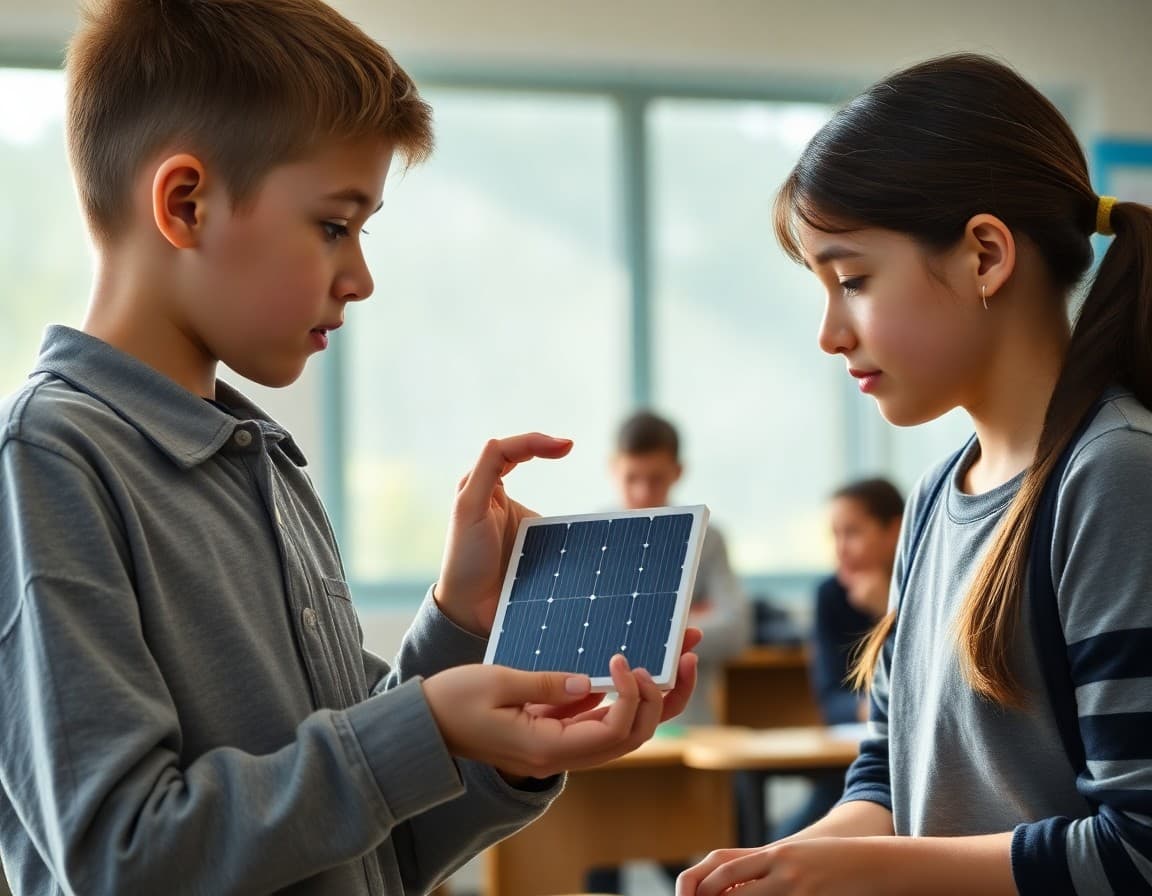
A solar energy unit connects students to one of the most significant technological shifts of their generation. Understanding how renewable energy works, why it matters, and how it is being deployed in the real world is not just science curriculum. It is preparation for the world students will inherit. Your newsletter is what makes that connection clear to families and draws them into the learning.
Explain the Core Science Concepts
Start the newsletter with what students will actually learn. The sun produces energy through nuclear fusion and delivers it to Earth as light and heat. Photovoltaic cells in solar panels convert light directly into electrical current. That current can power devices, charge batteries, or feed into the electrical grid. A brief, accurate description of the science gives families the background to ask informed questions and have real conversations with their child about what they are studying.
Name the Hands-On Activities
Solar energy units produce some of the most memorable hands-on science experiences in elementary and middle school. Testing solar-powered toys. Building a cardboard solar oven that actually cooks. Measuring how panel angle affects energy output. Name what students will do. Families who know the specific activities arrive at pickup asking the right questions and get richer answers from their child.
Connect to Current Events and Real Installations
Solar energy is not a future technology. It is everywhere: rooftop installations, solar farms, school buildings, municipal projects. If there are local examples, mention them. A student who drives past a solar installation they learned about in class experiences the curriculum differently. Families who look for examples with their child make the unit feel immediate rather than abstract.
Suggest a Home Energy Conversation
Invite families to look at their electric bill with their child and talk about where the household electricity comes from. Or to search together for solar installations in their neighborhood using a map tool. Or to calculate how much energy a device uses per day. These small investigations extend the unit into the home without requiring any special materials.
Highlight the Engineering and Math Connections
Solar energy units are not just science. They involve calculating energy output, comparing efficiency data, designing optimal panel placement, and evaluating cost versus benefit. Naming the STEM connections in the newsletter reinforces that this unit is multi-disciplinary and academically rich.
Share Student Discoveries
A mid-unit newsletter sharing one surprising thing students discovered, a result that defied expectations or confirmed a hypothesis, keeps families engaged and gives students an audience for their scientific thinking. Using Daystage, that update takes minutes to write and reaches every family the same day.
Get one newsletter idea every week.
Free. For teachers. No spam.
Frequently asked questions
What science concepts does a solar energy unit cover?
A solar energy unit typically covers how the sun produces energy, how photovoltaic cells convert light to electricity, the difference between renewable and non-renewable energy sources, basic electrical circuits, and energy efficiency. Your newsletter should name the specific concepts your unit addresses so families have academic context.
What hands-on activities work well in a solar energy unit?
Testing solar-powered toys and devices, building simple solar ovens, conducting controlled experiments on angle and light intensity, comparing energy output from different panel orientations, and researching real-world solar installations in your community. Name the specific activities in the newsletter so families know what students are actually doing.
How can families connect the unit to their home energy use?
Suggest looking at your home electric bill together, discussing where the household electricity comes from, researching whether solar panels are used in your neighborhood, or comparing the energy use of different appliances. Connecting the curriculum to real home decisions makes the learning concrete.
Are there local or national solar projects families can explore with their child?
Many communities have solar farms, solar-powered public buildings, or net-zero schools. If you know of relevant local examples, mention them in the newsletter. Families who can point to real installations near them make the unit feel current and achievable rather than theoretical.
What tool helps teachers send newsletters efficiently?
Daystage makes solar energy unit newsletters easy to produce with photos of student experiments, concept summaries, and home connection suggestions in one clean message sent to every family.

Adi Ackerman
Author
Adi Ackerman is a former classroom teacher and curriculum writer with 8 years in K-8 schools. She writes about school communication, parent engagement, and what actually works in real classrooms.
More for Classroom Teachers
Teacher Newsletter for Sustainability Project: Engage Families in Green Learning
Classroom Teachers · 6 min read
Teacher Newsletter for Environmental Club: Recruit Members and Show Impact
Classroom Teachers · 6 min read
STEM Project Update in Your Classroom Newsletter: What to Share
Classroom Teachers · 5 min read
Ready to send your first newsletter?
3 newsletters free. No credit card. First one ready in under 5 minutes.
Get started free