
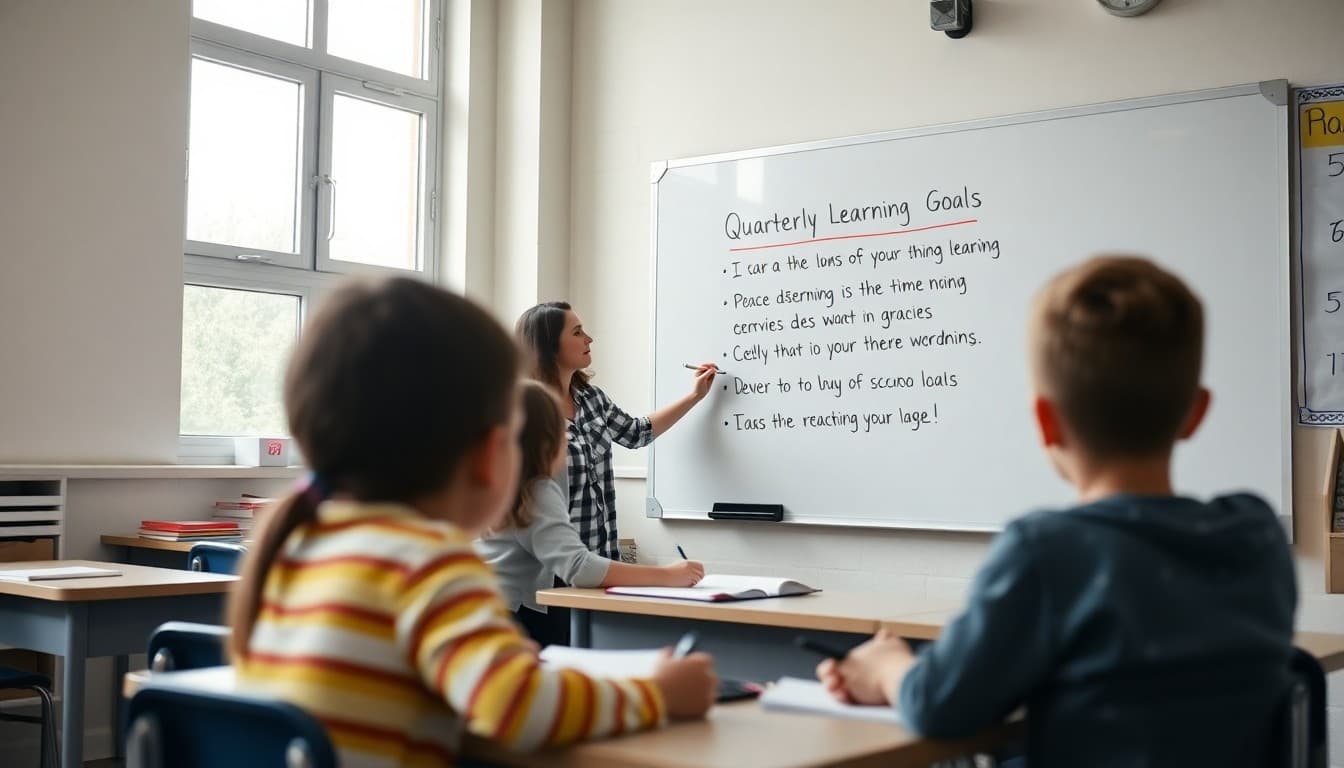
How to Write a Quarterly Goals Newsletter to Families
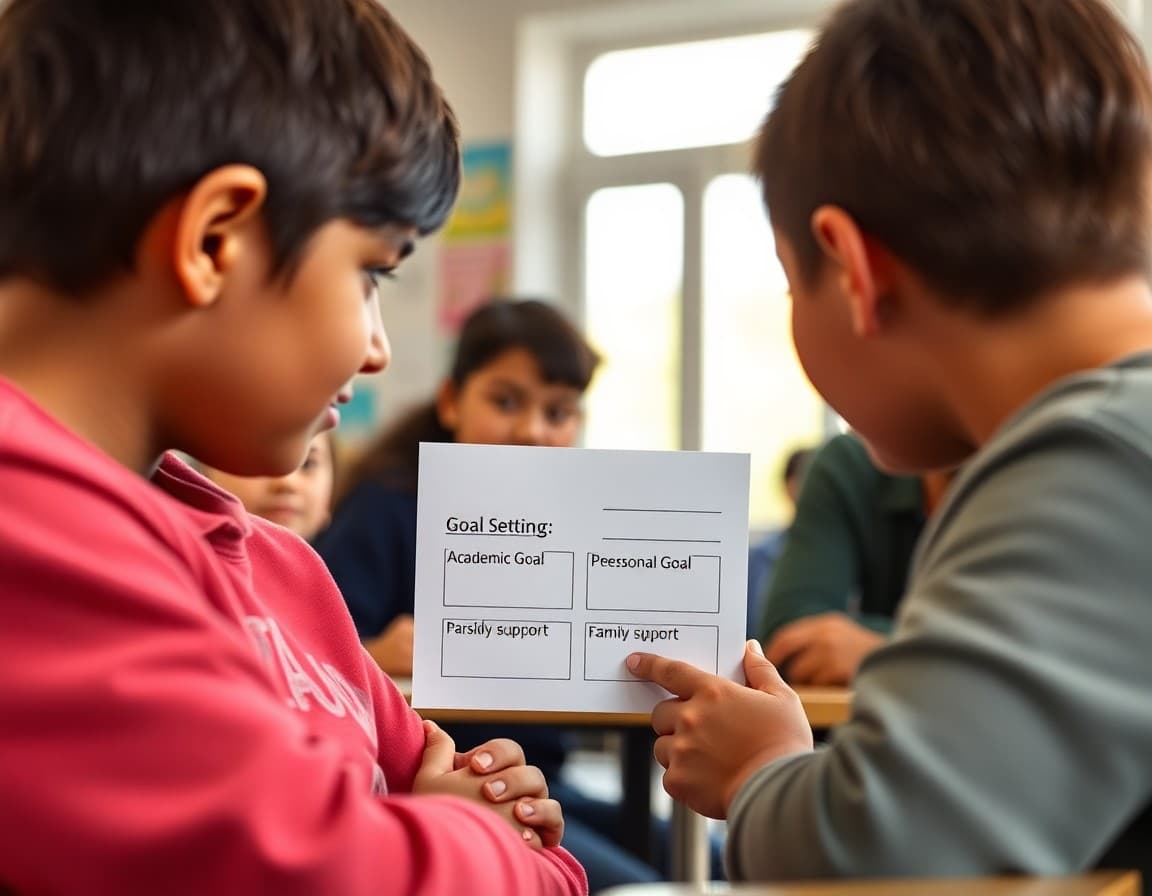
Quarterly goals newsletters are one of the most practical communication investments a teacher can make. A family who knows what their student is working toward this quarter can reinforce the right skills, ask the right questions, and support the academic work in ways that are actually aligned with what is happening in class. A family who does not know what the quarter is about is left to guess, and the support they offer may not connect to anything students are working on.
Open with the quarter's academic focus areas
Lead with the specific subjects and topics that will define this quarter. In reading, we are developing inference and text evidence skills. In math, we are building fluency with fractions and beginning decimals. In writing, we are studying opinion writing structure and persuasive techniques. In science, we are investigating ecosystems and food webs. These three or four clear statements give families an immediate sense of the quarter's direction.
Translate standards into plain language
Learning standards are written for educators, not families. Your newsletter should translate them into language a parent can act on. Instead of "Students will analyze how an author's word choice affects meaning," write "Students will practice noticing specific words an author chose and asking why they chose that word over a simpler one." The second version gives families something they can do during a read-aloud at home.
Name the social-emotional or behavioral goals
Academic goals do not exist in isolation. If this quarter your class is also focusing on specific habits like independent work persistence, collaborative discussion norms, or self-monitoring during tasks, say so. Families who understand the social and behavioral goals of the quarter can reinforce the same habits at home without receiving mixed messages about what expectations look like.
Explain how progress will be measured
Tell families how you will know whether students are meeting quarterly goals. Through ongoing assessments, specific projects, a unit test at the end, reading level checks, or writing samples. When families understand how progress is measured, they interpret performance data more accurately and have a realistic picture of what end-of-quarter success looks like.
Give families specific support actions
Translate each quarterly focus into a concrete home support suggestion. For reading inference: pause during read-alouds and ask why the character did that, even if the answer is not explicitly in the text. For fractions: cut up food into equal parts and talk about what fraction each piece is. For opinion writing: ask your student to make a case for something they want and require them to give three reasons. These small, specific practices make a real difference when families do them consistently.
Note what is coming at the end of the quarter
If the quarter ends with an assessment, a project showcase, a parent conference, or a report card, give families a heads-up so they are not surprised. A student who knows their writing portfolio will be shared at a parent conference in eight weeks has a very different relationship to the drafts they write each week than a student with no sense of where the work is going.
Invite families to reach out with questions
Close by explicitly inviting families to contact you if they have questions about the goals, how their student is progressing, or how to support specific areas at home. A quarterly goals newsletter that opens a conversation rather than just delivering information builds the partnership that makes the quarter more successful for everyone.
Daystage makes it easy to send a quarterly goals newsletter at the start of each new term so families understand the academic direction and are positioned to support their student's progress from the very first week.
Get one newsletter idea every week.
Free. For teachers. No spam.
Frequently asked questions
What should a quarterly goals newsletter include?
The academic content areas students will focus on this quarter, the specific learning targets in each subject, any behavioral or social-emotional goals the class is working toward, how families can support the goals at home, how progress will be measured and communicated, and when the next check-in or report will be.
How does sharing quarterly goals with families improve student outcomes?
Students whose families understand the academic goals of a quarter are more likely to receive consistent reinforcement at home. Families who know that this quarter focuses on fractions and opinion writing can pay attention to those skills in daily life, ask relevant questions, and avoid inadvertently undermining the instructional approach. Shared goals create alignment between school and home.
Should individual student goals be shared in a class newsletter?
No. A class newsletter shares the collective goals for all students in the class. Individual student goals should be communicated through private channels such as individual conferences, progress reports, or direct parent communication. The class newsletter sets the shared direction; individual goals are a separate conversation.
How can families support quarterly academic goals at home?
The most effective support is aligned practice: reading at home when the quarter focuses on literacy, discussing estimation and number sense when the focus is math, looking for examples of persuasion in real life when the focus is opinion writing. Families who know the quarterly focus can point to real-world examples of the skills their student is developing.
What tool helps teachers communicate quarterly goals to families?
Daystage makes it easy to send a quarterly goals newsletter at the start of each new quarter so families understand the academic direction and can support their student's progress from the first week of the term.

Adi Ackerman
Author
Adi Ackerman is a former classroom teacher and curriculum writer with 8 years in K-8 schools. She writes about school communication, parent engagement, and what actually works in real classrooms.
More for Classroom Teachers
Ready to send your first newsletter?
3 newsletters free. No credit card. First one ready in under 5 minutes.
Get started free