

Teacher Newsletter for an Inclusive Classroom: Pride Month Communication
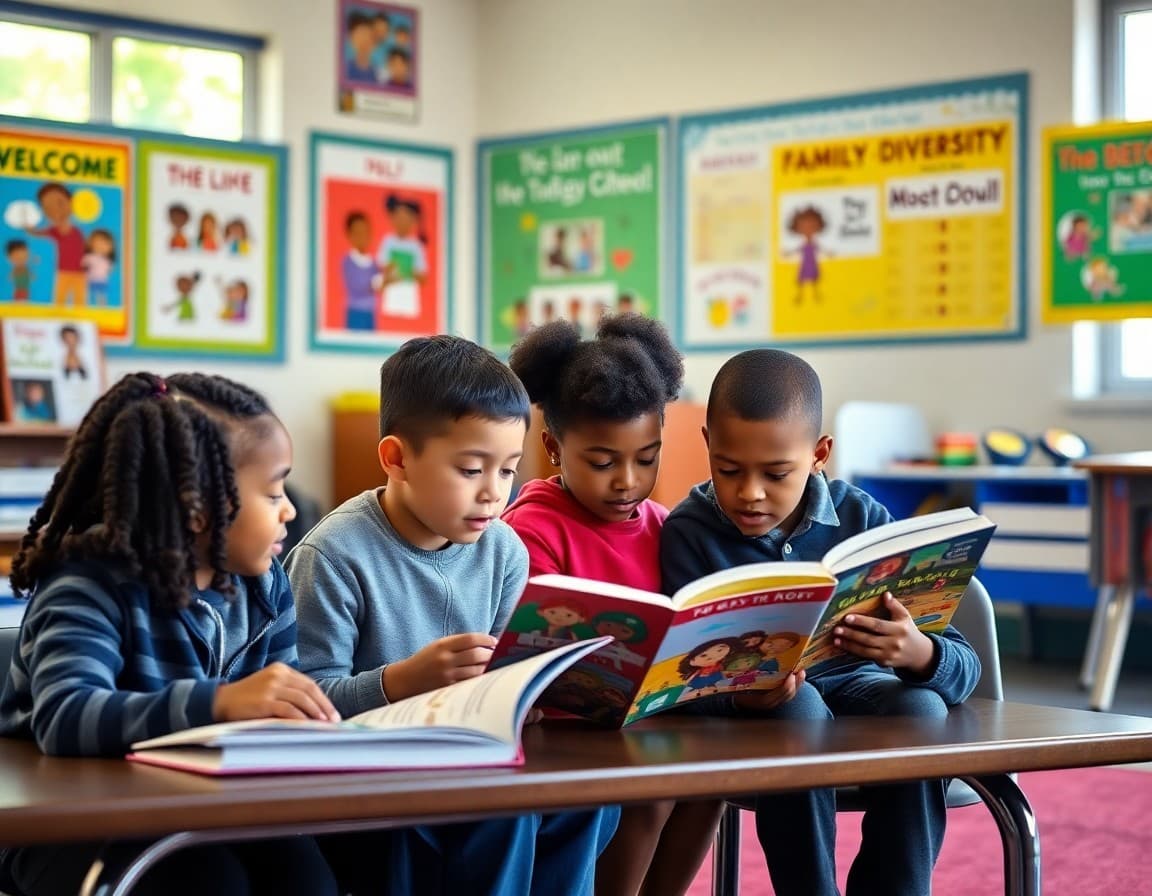
Pride Month is observed in June, and inclusive classroom communication throughout the school year matters more than any single month. Your newsletter gives families a clear picture of your classroom values, describes your approach to representation and inclusion, and opens the door for honest conversation before concerns escalate. Getting ahead of this with a proactive, clear message is always better than responding to a surprised parent email.
Lead With Your Classroom Values
Start with the values rather than the content. "Every student in this classroom deserves to feel seen, safe, and respected. That means our classroom materials, conversations, and norms reflect the full diversity of the families in our school community and beyond." Those values are hard to argue with, and they frame everything that follows. Families who read the values first are more receptive to the content description than families who encounter the content description first.
Explain What You Are Covering and What You Are Not
Be specific about the content. For elementary, this typically means books that include families with same-sex parents, historical figures who were LGBTQ, age-appropriate discussions of dignity and respect, and the idea that people deserve to be addressed by their chosen name. Be equally clear about what you are not covering: "This is not a unit on sexuality. It is about representation, belonging, and the basic dignity every person deserves."
Describe Your Approach to Difficult Questions
Tell families what you do when a student asks a question you need to handle carefully. "When students ask questions that go beyond what is age-appropriate for our grade level, I redirect to the classroom value: everyone deserves respect. I do not answer questions that would be better handled at home with a family member." That clarity reduces anxiety about what is happening in your classroom without your supervision.
Acknowledge That Families May Have Different Views
Do not pretend this is universally uncontroversial. Acknowledge it: "I know that families have different perspectives on this topic based on their values, religious beliefs, and experiences. My goal is not to override any family's values. It is to create a classroom where every student feels that their family is real and respected." That acknowledgment is honest and reduces defensiveness.
Share the Books You Are Using
Name the specific books with diverse family representation that are in your classroom library or that you are reading aloud. Families who know what the books are can preview them and have more informed conversations with their child or with you. Surprises create concern. Transparency creates trust.
Invite Conversation
Make it genuinely easy to reach out. "If you have questions about specific content, I am happy to describe exactly what we are doing. If you have concerns, I want to hear them. Please email or call me rather than letting a concern sit." Families who feel heard are far less likely to escalate concerns than families who feel their input is unwelcome.
Frame This as Part of a Bigger Picture
Connect inclusive practices to your broader classroom community goals. "A classroom where LGBTQ students, students with same-sex parents, and students from all backgrounds feel safe and represented is also a classroom where every student learns better. Belonging is not a side project. It is the infrastructure for everything else we do." That framing connects inclusion to academic outcomes rather than presenting it as separate from the educational mission.
Get one newsletter idea every week.
Free. For teachers. No spam.
Frequently asked questions
What should an inclusive classroom newsletter during Pride Month include?
Include a clear explanation of your approach to inclusive education, the specific age-appropriate content you are or are not covering, your classroom norms around respect for all families, and how families can talk to you about concerns or questions.
How do I communicate about inclusive practices in a way that is clear without being divisive?
Focus on the classroom values you are building: every student deserves to feel safe and represented, diverse families exist and are valued, and all students benefit from seeing different kinds of people in books and discussions. Those are statements most families can agree with regardless of their political or religious position.
What is age-appropriate inclusion content for elementary students?
For K-5, age-appropriate content includes books featuring families with two moms or two dads, historical figures who were LGBTQ, discussions of the difference between biological sex and gender expression, and language around respecting people's names and pronouns. Content focuses on dignity, safety, and representation, not sexuality.
How do I respond to family objections about inclusive content?
Listen to the specific concern before responding. Many concerns are about content you are not actually covering. Describe exactly what you are doing and not doing. Invite the family to review the materials if relevant. Focus on shared values: every child deserves to feel safe at school. That common ground is real and reachable for most families.
Can I use Daystage to send a classroom values and inclusion newsletter?
Yes. Daystage lets you send a thoughtfully structured newsletter that describes your classroom community values and answers common questions proactively. Sending it before concerns arise is more effective than responding to concerns after the fact.

Adi Ackerman
Author
Adi Ackerman is a former classroom teacher and curriculum writer with 8 years in K-8 schools. She writes about school communication, parent engagement, and what actually works in real classrooms.
More for Classroom Teachers
Teacher Newsletter for a Cultural Exchange Unit: Family Communication
Classroom Teachers · 6 min read
Teacher Newsletter for a Service Learning Unit: Communicating With Families
Classroom Teachers · 6 min read
Teacher Newsletter on Global Citizenship: What Families Need to Know
Classroom Teachers · 6 min read
Ready to send your first newsletter?
3 newsletters free. No credit card. First one ready in under 5 minutes.
Get started free