
How to Write a Place-Based Learning Newsletter to Families

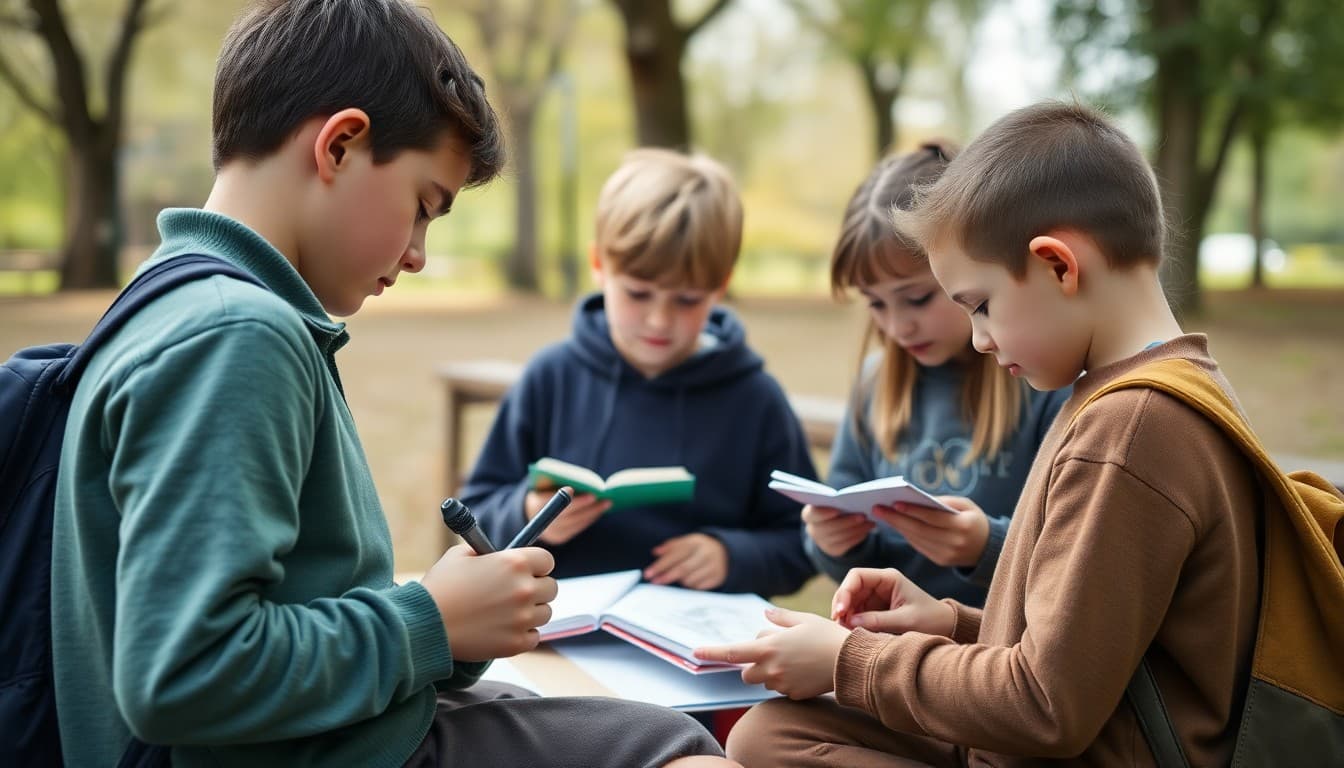
Place-based learning newsletters introduce families to an approach that turns something many take for granted into a curriculum resource: the specific place where students live. A student studying the ecosystem in the local park, interviewing community elders about neighborhood history, or analyzing the economic patterns of their own town is doing something textbook learning cannot replicate. They are studying their actual world. A newsletter that names this and shows families how to extend it makes the local community a shared classroom.
Define the place-based approach
Start by explaining what place-based learning means in practice. Instead of using generic examples from a curriculum designed for any school anywhere, your class is using the specific community, environment, and history of this place as the primary text. The river that runs through the park is the case study. The buildings that have stood in the neighborhood for decades are the primary sources. The community members who remember what this place was like thirty years ago are the experts.
Describe the local connections students are exploring
Tell families specifically what local places, people, or systems the unit engages with. A neighborhood history investigation that involves looking at historic photographs and interviewing longtime residents. A local ecosystem study using the park, creek, or urban green space nearest the school. An economics unit that examines local businesses, employment patterns, and community investment. The specificity matters because it shows families that their particular community is the curriculum, not a stand-in for somewhere else.
Invite families to be part of the curriculum
Families with deep roots in the community are often the richest resource a place-based curriculum has. A grandparent who remembers when the school building was built. A parent who works in an industry the unit is studying. A family who has experienced the local environment across decades of change. Your newsletter can explicitly invite families to share what they know, contribute photographs or documents, or come in to speak to the class.
Explain the academic depth of the local learning
Some families wonder whether local place-based learning covers the same academic standards as a traditional unit on the same topic. The answer is yes, often with greater depth. A student who studies water quality by actually testing water in a local creek and comparing results over time learns the same science standards as one who reads about water quality in a textbook, but develops them through genuine inquiry rather than reported facts. The standards are met through investigation rather than delivery.
Suggest local explorations families can take together
Give families specific places or activities that connect to the unit. Visit the local historical society or library archive together. Walk through the neighborhood and look at how the built environment has changed over time using the photographs from the unit. Visit the local park, creek, or natural area students are studying and talk about what they notice. These family explorations are free, local, and directly aligned with what students are studying in class.
Describe the community-facing culminating product
Place-based units often culminate in something that gives back to the community. An oral history archive donated to the local library. An environmental report submitted to the parks department. An illustrated guide to the neighborhood shared with community organizations. A public exhibition about local history open to community members. Tell families what the class is creating for the community and why it matters.
Connect the local to the broader world
Place-based learning is not parochial. A student who deeply understands the specific ecosystem, history, and community dynamics of one place has a model for understanding any place. The local investigation develops transferable skills in observation, inquiry, analysis, and contextual thinking. Families who understand this see the local focus as a foundation for broader understanding, not a narrowing of the curriculum.
Daystage makes it easy to send a place-based learning newsletter that invites families into the local curriculum and shows them how the community they live in is also the most immediate and meaningful classroom their student has access to.
Get one newsletter idea every week.
Free. For teachers. No spam.
Frequently asked questions
What is place-based learning?
Place-based learning uses the local community, environment, and culture as the primary context and resource for instruction. Instead of studying ecosystems through a textbook, students study the ecosystem in the park behind the school. Instead of reading about community history, students interview long-time residents and examine local landmarks. The curriculum is grounded in the specific place where students live.
What subjects can place-based learning address?
Place-based learning is highly versatile. Science units can use local ecosystems, waterways, weather patterns, and geology. Social studies units can use local history, demographics, economics, and civic structures. Language arts units can use local stories, community voices, and place-based narrative. Math units can use local data: traffic patterns, population changes, land use measurements.
How can families support place-based learning at home?
Families are often part of the local place students are studying. Sharing family stories about the neighborhood, pointing out local history, visiting community sites together, or connecting with local organizations are all place-based experiences that extend the school learning into the student's real context. Families who have lived in the community for a long time often hold knowledge the curriculum cannot provide.
Does place-based learning only work in rural or natural settings?
No. Urban place-based learning is rich and well-documented. A city school can study local architecture, neighborhood history, community demographics, transit systems, local economic patterns, and urban ecology. Every place has layers of history, culture, and natural systems worth studying. Place-based learning is about using where you are, not finding a particular kind of place.
What tool helps teachers communicate about place-based units?
Daystage makes it easy to send a place-based learning newsletter that explains the local connections students are exploring and invites families to contribute their own knowledge of the community to the curriculum.

Adi Ackerman
Author
Adi Ackerman is a former classroom teacher and curriculum writer with 8 years in K-8 schools. She writes about school communication, parent engagement, and what actually works in real classrooms.
More for Classroom Teachers
Ready to send your first newsletter?
3 newsletters free. No credit card. First one ready in under 5 minutes.
Get started free