

How to Write an Authentic Learning Newsletter to Families
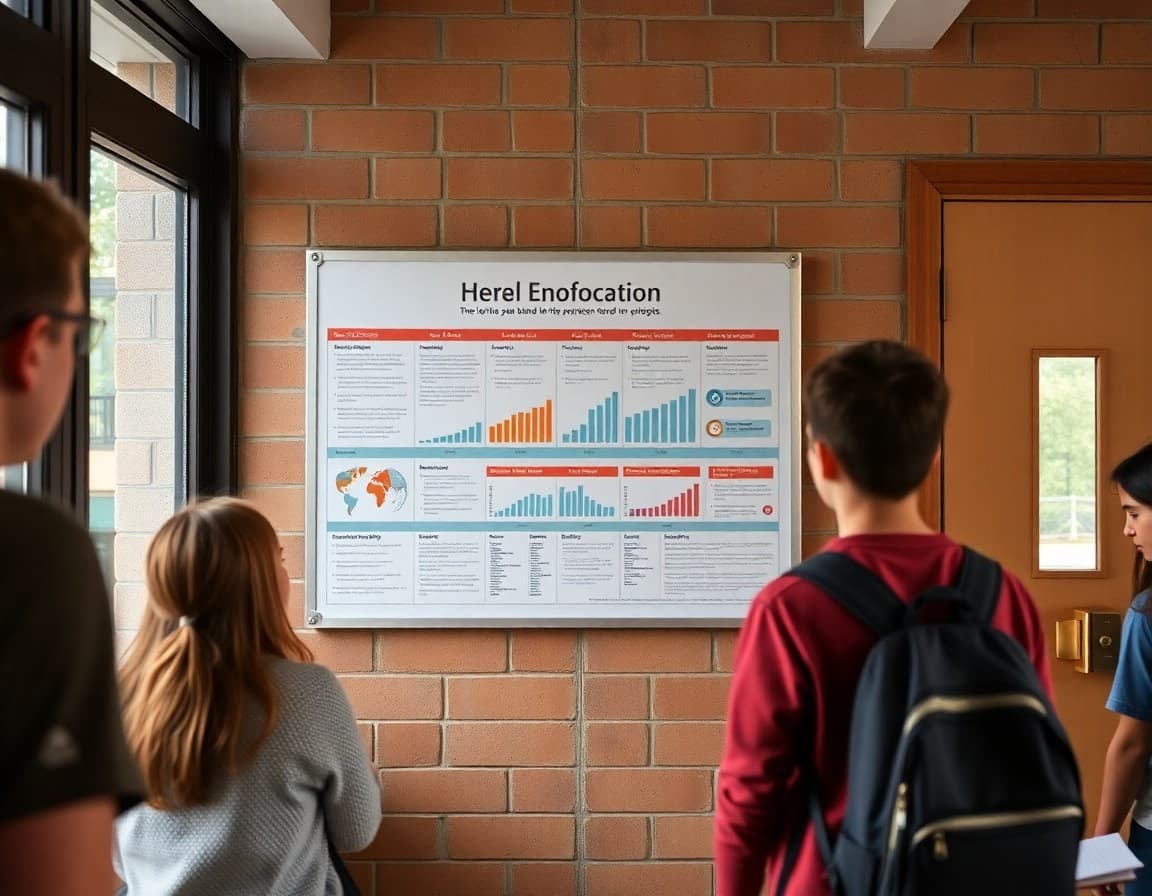
Authentic learning newsletters explain a shift in how the classroom works that families often notice but do not have language for: their student is doing work that seems to matter in a way that a worksheet does not. A student who writes a letter that gets sent to a real organization, designs a garden that gets planted, or creates a resource that gets used by the community is experiencing school differently. A newsletter that names this and explains why it produces better learning builds family understanding and excitement for the work students are doing.
Define authentic learning clearly
Start by explaining what makes a task authentic. An authentic task has a real purpose beyond getting a grade, a real audience beyond the teacher, and real standards that come from the world rather than just the classroom. This does not mean every assignment must solve a global problem. It means students are creating work that would be recognized as meaningful by people outside of school, and that standard changes how they approach the work.
Describe the specific authentic project
Tell families exactly what students are working on. Who is the audience? What is the real-world purpose? What will happen with the work when it is finished? A class that writes an illustrated guide for incoming kindergarteners has a defined audience (five-year-olds) and a defined purpose (helping them understand what school will be like). That specificity is what makes the task authentic rather than just a creative writing assignment with a different prompt.
Explain the community partner or real-world connection
If the authentic learning project involves a community partner, name them and describe their role. A local organization that will actually use the students' research. A municipal body that will receive the proposal. A public space where the students' work will be displayed. A business or nonprofit that has agreed to hear the students' pitch. Community partners create accountability that no teacher-assigned rubric can fully replicate.
Address why real stakes improve quality
Students who know their work will be seen by a real audience beyond the teacher apply different standards to it. Grammar errors matter more when a letter will actually be sent. Research accuracy matters more when a presentation will go before an actual organization. Aesthetic quality matters more when a product will be displayed publicly. This is not pressure for its own sake. It is the natural quality filter that real-world purpose provides and that school assignments often lack.
Invite families to be part of the audience
If the authentic project culminates in a presentation, exhibition, or public event, invite families to attend. Family members as part of the audience are both a motivator during the work and a source of genuine response when the work is complete. A student who presents a community proposal to an audience that includes their family and real stakeholders is having a very different experience than one who presents to a classroom of peers.
Explain the academic skills embedded in the authentic task
Authentic tasks are not less rigorous than traditional assignments. They are often more rigorous because they require students to apply multiple skills simultaneously in a context that does not provide a template. Research, writing, data analysis, presentation, collaboration, and problem-solving all appear in a well-designed authentic task. Families who understand this do not worry that authentic learning is replacing academic rigor. They see that it is demanding it in a more meaningful context.
Share what comes after the authentic work is complete
Tell families what happens next. Did the community organization respond? Was the proposal accepted? Was the guide actually distributed? Was the exhibition attended? Closing the loop on authentic tasks is important because the follow-through is part of what distinguishes authentic work from a simulation of authentic work. Families who hear the outcome understand that their student's work had consequences in the real world.
Daystage makes it easy to send an authentic learning newsletter and follow up with the real-world outcome of student work so families experience the full arc of a learning approach that treats students as capable of producing something that actually matters.
Get one newsletter idea every week.
Free. For teachers. No spam.
Frequently asked questions
What is authentic learning?
Authentic learning involves tasks that have real-world purpose, a real audience, and genuine stakes beyond a grade. Instead of writing an essay for a teacher to read and score, students might write a letter to a community organization, create an informational resource for a real user, or propose a solution to a real problem. The work has to meet standards that matter in the world, not just in school.
Why does authentic learning produce better outcomes than traditional assignments?
Students invest differently in work that has real consequences for a real audience. The quality standards shift when the work will be seen by community members, published on a website, or delivered to an actual organization rather than just handed in to a teacher. This motivational shift produces higher quality work and more durable learning.
How can families support authentic learning at home?
Taking their student's authentic work seriously as real work rather than a school assignment is the most important thing families can do. Asking how the community partner responded, whether the proposal was accepted, or how the audience reacted treats the work as the real-world activity it is. This response from family reinforces that the student's work matters beyond the classroom.
What does authentic learning look like at different grade levels?
In early grades, authentic tasks might include creating a class cookbook for families, raising money for a class garden, or writing letters to a real person. In upper grades, students might research and present to a local government body, create a public service campaign, or design and build something used by the school community. The real-world stakes are calibrated to age.
What tool helps teachers communicate about authentic learning projects?
Daystage makes it easy to send an authentic learning newsletter that invites families into the genuine audience for student work and shows them how real-world purpose transforms the quality of what students produce.

Adi Ackerman
Author
Adi Ackerman is a former classroom teacher and curriculum writer with 8 years in K-8 schools. She writes about school communication, parent engagement, and what actually works in real classrooms.
More for Classroom Teachers
Ready to send your first newsletter?
3 newsletters free. No credit card. First one ready in under 5 minutes.
Get started free