

Teacher Newsletter for Physical Breaks in Class: Movement That Improves Learning
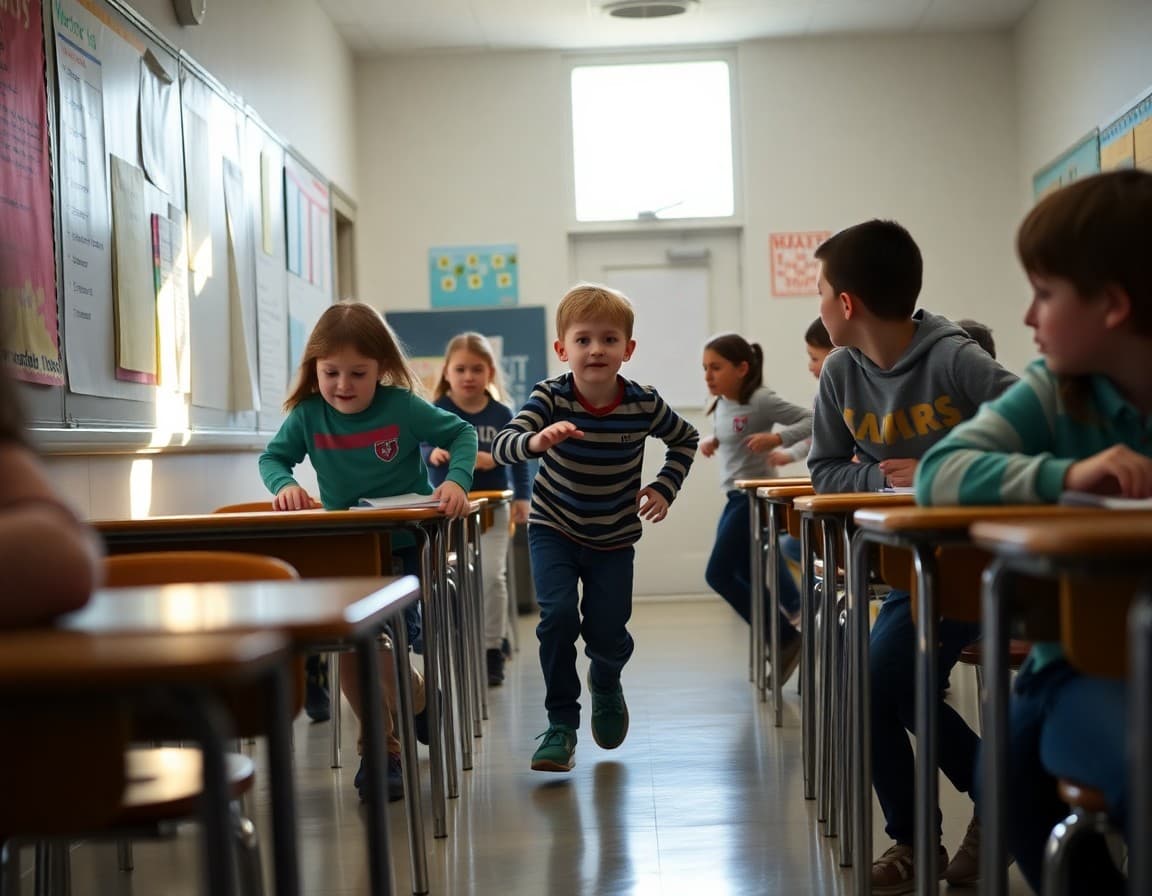
Physical breaks in the classroom are one of the most research-supported and least controversial interventions available to teachers. The evidence that brief movement improves subsequent learning is consistent across age groups, content areas, and school types. A newsletter that makes this research visible to families turns parent skepticism about classroom movement into active support.
Explain the purpose of scheduled physical breaks
Physical breaks are not interruptions to learning. They are a component of the learning cycle. When students move between cognitive tasks, they increase oxygen and glucose delivery to the parts of the brain they need most for the next work period. The body and brain are not separate systems. What happens to one affects the other, in both directions. This is not a wellness philosophy. It is established neuroscience.
Describe what your physical breaks look like
Tell families exactly what you do. "We use GoNoodle for a two-minute guided movement break after every thirty minutes of focused work" or "Before we transition to writing workshop, students do one minute of jumping jacks followed by a slow breath reset." Specific descriptions help parents picture it and eliminate any mystery about why their student comes home talking about dancing in math class.
Share the timing and frequency
Tell families when breaks happen during the day and how often. "We take a two-minute physical break approximately once per hour, more on days when we are doing extended writing or testing." Parents who understand the schedule can plan accordingly. Students who know breaks are coming are also more willing to focus during work periods.
Recommend a homework movement break routine
The classroom physical break model translates directly to home. Tell families to build a movement break into every twenty-five to thirty minutes of homework time. Suggest specific activities: ten jumping jacks, a short walk around the house, a sixty-second dance to one song. The activity matters less than the fact that it involves genuine movement and lasts at least ninety seconds. Scrolling a phone does not count.
Connect movement to executive function
Physical activity particularly benefits executive function: the cluster of cognitive skills that includes attention management, working memory, cognitive flexibility, and impulse control. Students who struggle with these skills often respond especially well to movement breaks. Tell families this because it explains why you prioritize movement for all students, not just those who seem restless.
Address the concern about instructional time
Some parents worry that physical breaks cost learning time. Address this directly. "We lose two to four minutes per hour to movement breaks. We gain approximately twenty minutes per hour of significantly higher quality focused work. That is not a trade-off. That is an investment." Data from schools that track work completion and quality before and after implementing movement breaks consistently shows a net positive effect.
Invite families to try a family movement moment
Suggest that families try a brief shared movement activity during a natural break in the homework or evening routine. A one-minute family dance break, a quick walk around the block after dinner, or a two-minute stretching routine before bed: the goal is to make movement a normal part of the transition between activities rather than an exceptional event. Students who experience this at home generalize it more broadly.
Get one newsletter idea every week.
Free. For teachers. No spam.
Frequently asked questions
What are physical breaks in the classroom and how do they differ from recess?
Physical breaks are brief, teacher-initiated movement activities integrated into the academic day, typically two to five minutes. Recess is an extended unstructured outdoor break. Physical breaks serve the same neurological function at smaller scale and are used between lessons or within longer work blocks rather than replacing recess.
What types of physical breaks work well in a classroom setting?
GoNoodle videos, Simon Says with movement commands, quick dance breaks, walking laps around the room, stretching sequences, jumping jacks or other calisthenics, and active academic games like 'stand up if your answer is...' all work well without requiring gym space or equipment.
How do physical breaks affect learning outcomes?
Dozens of controlled studies show that brief physical activity between cognitive tasks improves subsequent performance on attention and memory tasks. The mechanism is cardiovascular: movement increases blood flow to the prefrontal cortex and hippocampus, the brain regions most involved in focused learning.
How much classroom time do physical breaks actually take?
A typical physical break takes two to four minutes. Given that the subsequent learning period is significantly more productive, the net effect on academic time is positive rather than negative. Teachers who implement scheduled movement report finishing the same content in less actual work time.
Can Daystage help me share my classroom movement routine with families?
Yes. A brief newsletter explaining your physical break routine, including a link to the resources you use, gives families both context for what their student is doing and tools to use at home during homework.

Adi Ackerman
Author
Adi Ackerman is a former classroom teacher and curriculum writer with 8 years in K-8 schools. She writes about school communication, parent engagement, and what actually works in real classrooms.
More for Classroom Teachers
Teacher Newsletter for Brain Breaks: Why Movement Supports Learning
Classroom Teachers · 6 min read
Teacher Newsletter for Classroom Yoga: Explaining Mindful Movement to Families
Classroom Teachers · 6 min read
Teacher Newsletter for Educational Games: Learning Through Play in the Classroom
Classroom Teachers · 6 min read
Ready to send your first newsletter?
3 newsletters free. No credit card. First one ready in under 5 minutes.
Get started free