
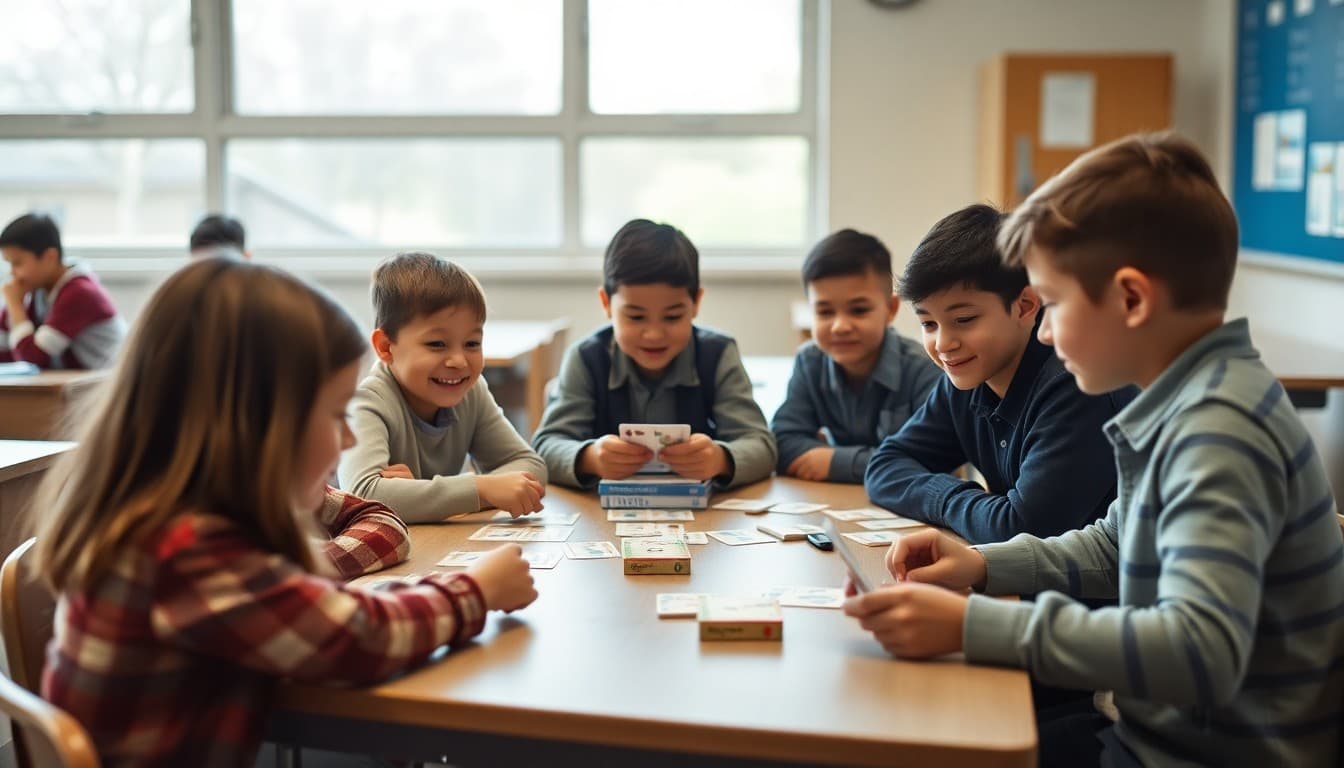
Teacher Newsletter for Educational Games: Learning Through Play in the Classroom
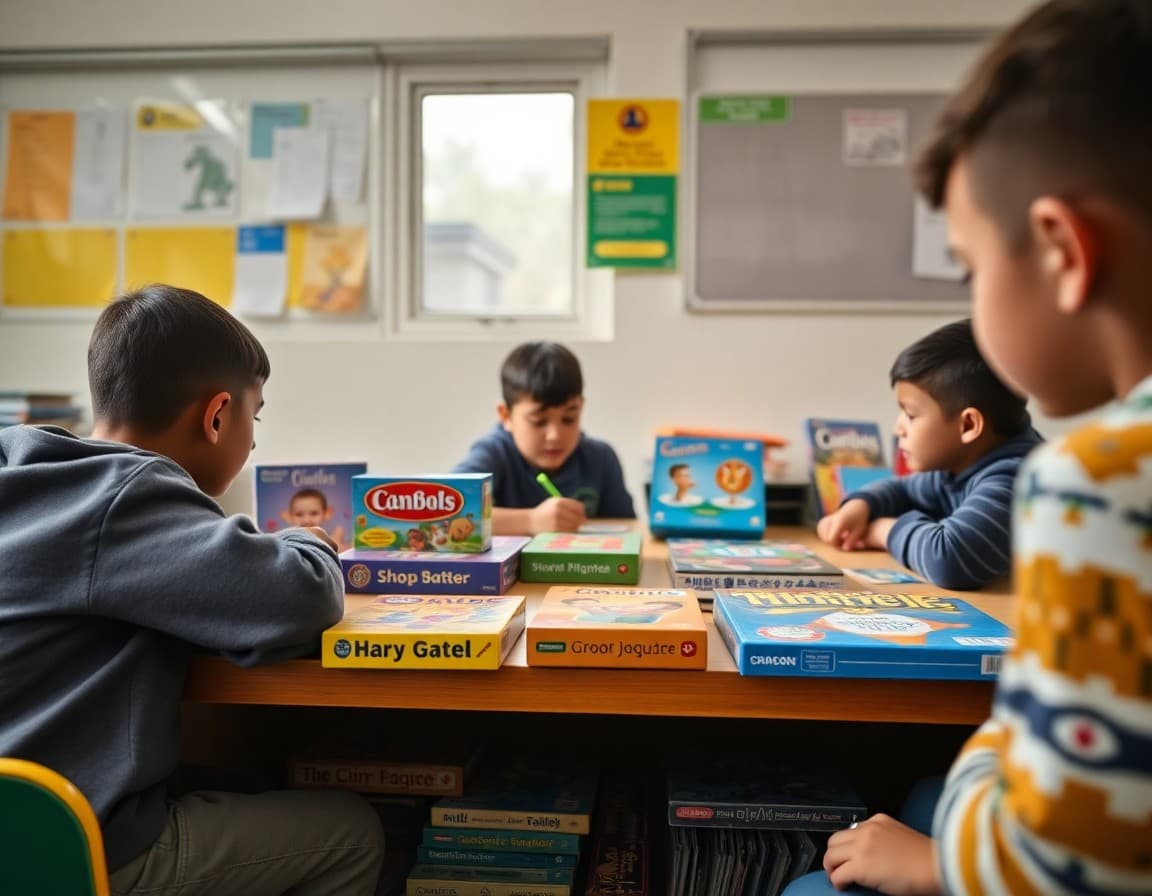
Educational games are one of the most powerful and least appreciated tools in the classroom. The combination of motivation, immediate feedback, repetition, and social engagement that a good game provides is genuinely difficult to replicate through any other instructional format. A newsletter that explains this helps parents move beyond "they were just playing games today" to a much more accurate understanding of what their student actually did.
Explain what makes a game educational
Not all games are educational. The games you choose for classroom use embed skill practice into the mechanics of play so that the game cannot be played without using the target skill. A vocabulary game where players must correctly define a word before moving requires vocabulary practice. A math strategy game where players must calculate before executing a move requires calculation. The skill is the entry price for participating, not an optional enhancement.
Name the games students are currently playing
Tell families which games your class uses and what skills each one builds. Students come home talking about games by name. When parents already know what the game is and why it is being played, they can have a much more substantive conversation than "what did you do in school today?" Specific names and purposes transform game time from mysterious to meaningful.
Connect game skills to curriculum standards
Tell families explicitly which standard or learning objective the current games address. "We are using this multiplication game to build fluency with times tables 7 through 12. Fluency means fast and accurate recall, not just correct calculation with time to think. The game context is what provides enough repetitions to build that speed without drilling." Standards-connected explanations satisfy the families who care most about academic rigor.
Describe the process skills games develop
Content knowledge is not the only thing games build. Strategic thinking, persistence through loss, pattern recognition, and the ability to hold multiple variables in mind simultaneously are all developed through sustained game play. These skills transfer directly to academic problem-solving and beyond. Tell families this dimension of the value.
Recommend home games by learning goal
Match your recommendations to what you are working on in class. If the class is in a vocabulary unit, suggest Bananagrams or a word game. If the class is in a math unit, suggest a card game that practices the relevant operations. Connecting the home game recommendation to the current classroom content doubles the practice time without adding any workbook.
Explain the role of losing gracefully
Games require players to lose sometimes. That experience, and the response to it, is part of the educational value. Students who learn to lose without catastrophizing, to analyze what went wrong and try differently next time, and to offer genuine congratulations to a winner are developing emotional skills that persist beyond the game. Tell families that you see this as part of the learning and that you address it directly when students struggle with it.
Connect classroom games to Daystage
If you use Daystage to send newsletters about classroom activities like game days, you can include specific game descriptions, learning objectives, and family versions in one clean format that families can reference throughout the week. It makes the communication around game-based learning as intentional as the games themselves.
Get one newsletter idea every week.
Free. For teachers. No spam.
Frequently asked questions
What makes a game educational in a classroom context?
An educational game intentionally embeds skill practice or conceptual understanding into its mechanics. Students are practicing multiplication facts, vocabulary, strategic reasoning, or content knowledge while playing. The game structure provides motivation and feedback that pure repetition does not.
What academic skills do educational games develop beyond content knowledge?
Games develop strategic thinking, working memory, pattern recognition, turn-taking, graceful handling of losing, and persistence through repeated attempts. These process skills transfer to academic settings beyond the specific content the game teaches.
How do educational games fit into a rigorous curriculum?
Games provide spaced practice, which is one of the most evidence-backed methods for long-term retention. A student who practices a skill in a game format three times over a week retains it longer than a student who practiced the same skill intensively in one sitting. The distributed practice is the educational mechanism.
What educational games can families play at home?
Chess for strategic thinking. Scrabble or Bananagrams for vocabulary and spelling. Catan or Ticket to Ride for probability and strategic planning. Math card games using a standard deck. Geography games with a map or globe. The specific game matters less than the regular practice of focused strategic play.
How does Daystage help me share classroom game activities with families?
Daystage makes it easy to share what games students are playing and why, alongside practical home game recommendations, all in a formatted newsletter families can reference.

Adi Ackerman
Author
Adi Ackerman is a former classroom teacher and curriculum writer with 8 years in K-8 schools. She writes about school communication, parent engagement, and what actually works in real classrooms.
More for Classroom Teachers
Teacher Newsletter for Game Day: Making the Most of Review and Celebration Games
Classroom Teachers · 6 min read
How to Share a Classroom Escape Room Activity With Families in Your Newsletter
Classroom Teachers · 6 min read
How to Explain Kahoot Review Games to Families in Your Teacher Newsletter
Classroom Teachers · 6 min read
Ready to send your first newsletter?
3 newsletters free. No credit card. First one ready in under 5 minutes.
Get started free