

How to Promote a PBL Showcase in Your Teacher Newsletter
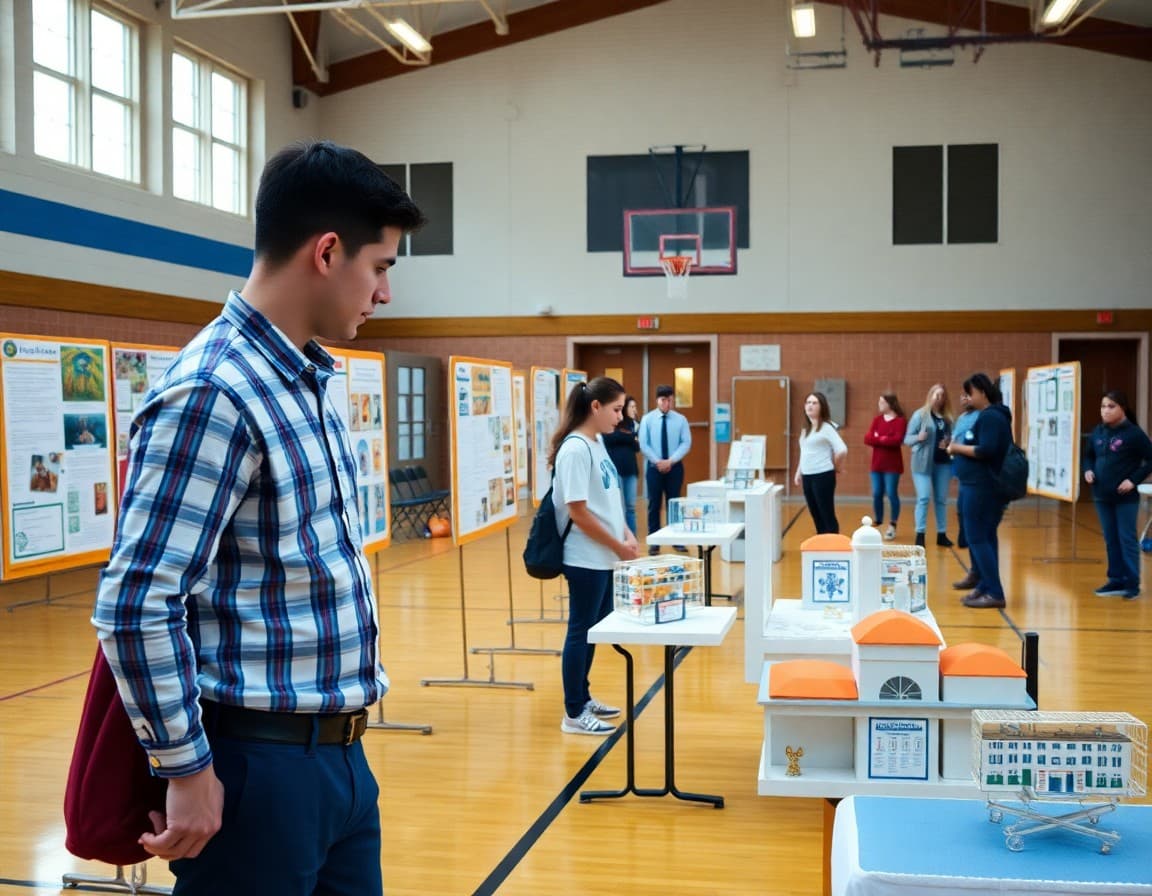
A project showcase is one of the most powerful family engagement events a classroom can host. Students who present their work to a real audience invest more deeply in the quality of that work. Families who attend leave with a specific, detailed understanding of what their student accomplished and how they think. The newsletter invitation is what makes the difference between a well-attended showcase and a sparse one.
Send the invitation two weeks before the event
Two weeks gives families time to arrange schedules, request time off work if needed, and coordinate with extended family members who may want to attend. "Our project showcase is scheduled for Thursday, November 14, from 5:30 to 7 p.m. in the gymnasium. This is the culminating event of our six-week community design project. Every student will be presenting their work and we hope to see you there." Clear date, time, and location in the opening paragraph.
Describe what families will experience when they arrive
Families who know what to expect arrive less anxious and more engaged. "When you arrive, students will be stationed at individual display tables with their design brief, prototype, and research materials. You are encouraged to visit every station and ask students to walk you through their project. The event runs continuously for ninety minutes so you can arrive and depart at your convenience." A walkthrough description reduces the uncertainty that keeps some families from attending.
Give families specific questions to ask students
The quality of showcase interactions is directly related to the quality of questions asked. "Here are a few questions worth asking every student you visit: 'What problem were you trying to solve? What did your research tell you that changed your design? What would you do differently with more time?' Students who are asked thoughtful questions give thoughtful answers and feel that their work has been genuinely seen."
Preview what students created
A brief description of what students made creates anticipation. "Students have produced design proposals with hand-drawn or digital models, a written rationale connecting the design to community needs, and a three-minute presentation they have practiced twice this week. The range of solutions is genuinely impressive." Families who arrive with a sense of what to look for are more engaged with the work.
Include all logistics families need
"Parking is available in the rear lot. Please sign in at the gymnasium entrance. Siblings are welcome. Refreshments will be provided by the PTA." Families who have all the logistics do not need to call the school to confirm anything.
Send a reminder the week before and a final reminder the day before
A three-touch communication approach maximizes attendance. The two-week invitation is the primary message. A brief one-week reminder keeps it visible. A day-before reminder reaches families who are in planning mode for the next day. "Quick reminder: our project showcase is tomorrow evening at 5:30. We can't wait to see you."
Teachers who use Daystage for their showcase invitations can include project photos, RSVP links, and logistics in a formatted newsletter that families find compelling enough to add to their calendar.
Get one newsletter idea every week.
Free. For teachers. No spam.
Frequently asked questions
What should a PBL showcase newsletter include?
The date, time, and location of the showcase, what families will see when they arrive, how to interact with student presenters, what questions to ask students about their work, how long the event runs, and any logistics like parking or sign-in procedures.
How do I prepare families to be a good audience at a project showcase?
Give families specific questions to ask when they visit each student's station or presentation. 'Ask students: What was the hardest part of this project? What would you change if you had more time? What did you learn that surprised you?' Families with questions ready are more engaged with student work than families who just look at the posters.
How long before the showcase should I send the invitation newsletter?
Two weeks before is ideal. Send a brief reminder one week out and a final logistics reminder the day before or morning of. Three-touch communication for major events ensures families who missed the first notice have multiple opportunities to see it.
Should I ask families to RSVP for the showcase?
Yes if space is limited. Optional if space is not a concern. Even when RSVP is optional, asking families to indicate they plan to attend gives you a sense of expected turnout and signals that the event is organized. Use a simple form or email reply.
Can Daystage help teachers send showcase invitations to families?
Yes. Daystage supports event invitation newsletters with RSVP links, logistics details, and gallery photos from the project process that make the invitation compelling.

Adi Ackerman
Author
Adi Ackerman is a former classroom teacher and curriculum writer with 8 years in K-8 schools. She writes about school communication, parent engagement, and what actually works in real classrooms.
More for Classroom Teachers
How to Announce a Project Based Learning Launch in Your Teacher Newsletter
Classroom Teachers · 6 min read
How to Invite Families to an Exhibition Night in Your Teacher Newsletter
Classroom Teachers · 6 min read
How to Invite Families to Portfolio Night in Your Teacher Newsletter
Classroom Teachers · 6 min read
Ready to send your first newsletter?
3 newsletters free. No credit card. First one ready in under 5 minutes.
Get started free