
Teacher Newsletter on Organization Skills: Tips for Families
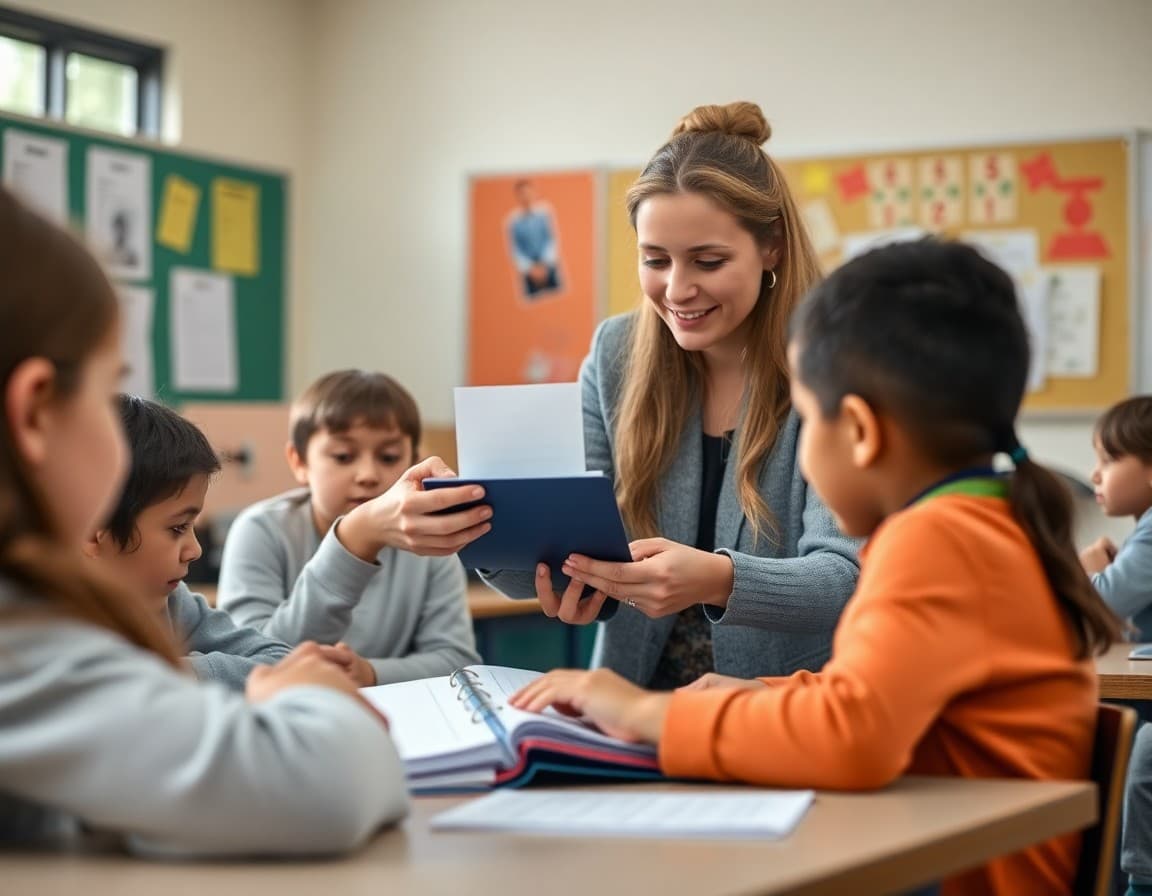
Organization skills are the infrastructure for everything else. A student who cannot find a returned essay cannot act on the feedback. A student whose homework folder is a crumpled mess cannot submit work consistently. When you teach organization explicitly, you are not enforcing tidiness. You are removing the friction that gets between students and their own learning.
Explain the Systems You Use in Class
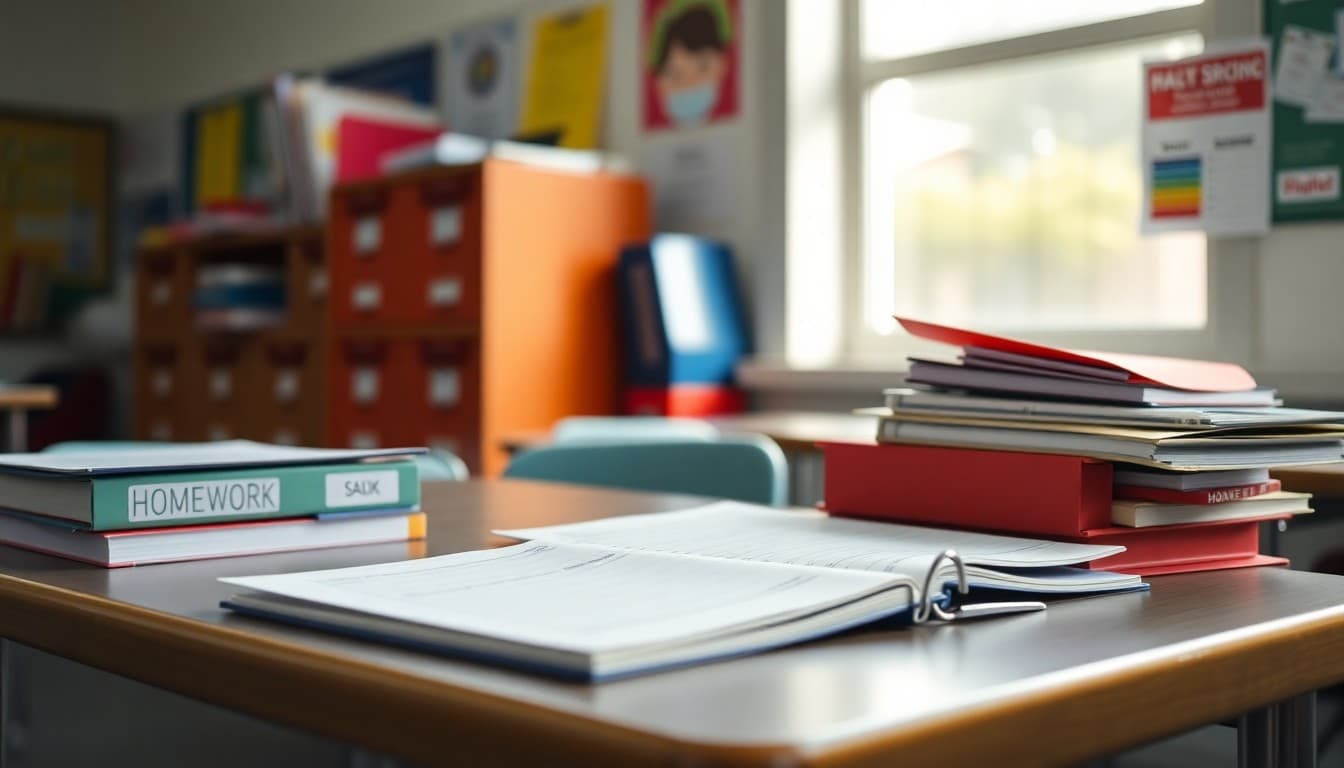
Tell families exactly what organizational structure you use. Name the folders. Describe the binder system. Explain the homework submission routine. When families know the specific system, they can ask about it by name at home: "Is your reading folder in the right section?" rather than "is your backpack clean?" Specific questions get specific answers. Vague questions get shrugs.
Connect Organization to Learning Outcomes
Make the case directly: "Students who can access their materials and find their assignments without searching spend more time learning. Students who cannot spend the first ten minutes of every work period in a state of low-level chaos. Organization removes that overhead." Most families understand this once it is stated plainly. They may not have connected the messy backpack to the academic outcome before.
Tell Families What to Check at Home
Give families a specific home check routine. Once a week, preferably Sunday evening or Monday morning: backpack cleared of papers that do not belong there, homework folder in the right pocket, school supplies accounted for, completed work in the submission folder. This takes five minutes. The student should do it with the parent watching, not for them. The watching matters. The doing is the student's job.
Describe Your Classroom Check Schedule
Tell families when you do formal binder or desk checks. If you do a monthly desk cleanout, say so. If you do a weekly homework folder review, name the day. Families who know the schedule can build a home routine around it. "We clean desks every Friday, so Thursday evening is a good time to check that everything is in order at home."
Address the Rescue Pattern
Many parents organize their child's backpack for them every night, which is efficient in the short term and disabling in the long term. A student who never organizes their own materials has no organization skill. Ask families to transition from doing to overseeing: sit with the child while they sort their own materials, ask questions rather than directing, and resist the urge to just do it because it is faster.
Give Families a Supply Check
Include a simple list of what students need to have maintained and functional: the right number of folders, a working pencil with eraser, their planner, their homework folder. Ask families to check these items monthly. Materials that are lost, broken, or absent are often invisible to parents until a teacher sends a note home about it. Proactive supply checks prevent that.
Share What Improvement Looks Like
Tell families what you are watching for as students build this skill. Not a perfectly organized desk every day. Incremental improvement: fewer lost assignments per week, faster transition from pack-up to dismissal, ability to locate a specific document when asked. These are real metrics. Sharing them gives families a concrete growth target to celebrate when they see it.
Get one newsletter idea every week.
Free. For teachers. No spam.
Frequently asked questions
What should a teacher newsletter about organization skills include?
Include the specific systems you use in class, what materials students need to maintain, how families can check on organization at home without taking over, and a schedule for when you do formal organization checks or cleanouts.
How do I explain why organization skills matter to families who think it is just tidiness?
Connect it directly to academic performance: 'Students who cannot find their materials spend the first five minutes of every work period searching. Students who cannot locate a returned assignment cannot learn from the feedback on it. Organization is not about neatness. It is about access to the information needed to learn.'
What organization systems work well in an elementary classroom?
Color-coded folders by subject, a single homework folder that goes home every day, a Friday folder for returned papers and communications, a binder with dividers for each content area, and a class supplies bin. The fewer systems, the better. Students maintain two systems reliably. They maintain eight systems poorly.
How can families support organization at home without doing it for their child?
Ask families to designate a homework spot where everything stays, review the backpack with the child each evening rather than doing it for them, and ask specific questions: 'Do you have everything you need for tomorrow? Let's check the assignment.' That involvement builds the habit without removing student ownership.
Can I send organization system reminders through Daystage?
Yes. Daystage works well for this type of update because you can include photos of the actual binder or folder system students are using, which gives families a clear visual reference. Seeing the system makes it much easier to replicate at home.

Adi Ackerman
Author
Adi Ackerman is a former classroom teacher and curriculum writer with 8 years in K-8 schools. She writes about school communication, parent engagement, and what actually works in real classrooms.
More for Classroom Teachers
Ready to send your first newsletter?
3 newsletters free. No credit card. First one ready in under 5 minutes.
Get started free