

Teacher Newsletter for New Year Goals: Setting Intentions With Families
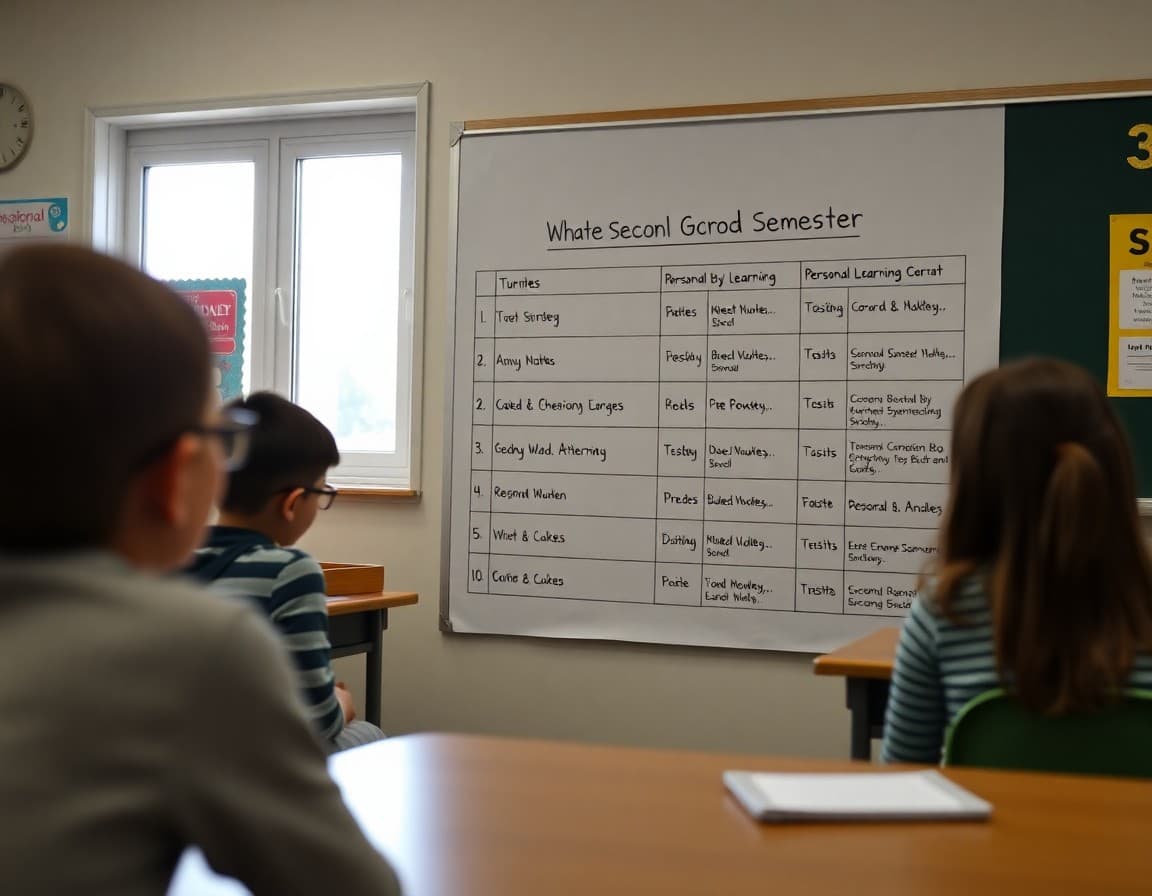
The new year is a genuine reset moment, and your newsletter can use it well. Families are in a reflective mode, students have had a break from the routine, and everyone arrives in January with a bit more intention than usual. Channel that energy into something specific: clear goals for the second half, a framework families can use at home, and honest reflection on the first semester.
Reflect Honestly on the First Semester
Start with a real reflection rather than generic praise. Tell families what went well: specific academic progress, routines that took hold, strengths the class showed. Then tell families what you are working on: an area where students need more support, a skill the class is still developing. Honest reflection is more trustworthy than relentless positivity, and it models the kind of self-assessment you want students to do with their own goals.
Explain Your Second Semester Academic Priorities
Tell families specifically what you are focusing on from January forward. What content units are coming? What skills will you be pushing harder? Are there major assessments in the spring that require a sustained build? Families who know what is ahead can support it. Families who are surprised by testing season in April were never given the information they needed.
Give Families a Goal-Setting Framework
Provide a simple goal-setting structure families can use at home. The goal needs to be specific: not "work harder" but "read for twenty minutes before bed four nights a week." It needs to be measurable: students should be able to tell you each week whether they did it. It needs a time frame: "for the next four weeks" is more motivating than "this semester." Give families these three criteria so they can help their child write a real goal, not a wish.
Encourage Goal-Setting in One Academic Area
Ask families to focus the goal-setting on one specific academic area rather than a general ambition. The student who sets a reading goal and a math goal and a behavior goal and an organization goal will keep none of them by February. One good goal, revisited weekly, produces more growth than four forgotten ones. Help families narrow down to the area with the most room for growth.
Explain How You Are Tracking Goals in Class
Tell families what goal-tracking looks like in your classroom. How often do students review their goals? What do check-ins look like? How do you celebrate when a student meets a goal? That transparency helps families understand that goal-setting in your classroom is a system, not a January tradition that disappears by the time the holiday decorations come down.
Ask Families for One Home Change
In addition to student goals, ask families to consider one change to the home learning environment. A consistent homework time. A quiet study spot. A phone-free dinner conversation about what students learned that day. Not a complete lifestyle overhaul. One specific thing that would support the academic goals set in class. Give families permission to start small.
Create a Check-In Plan
Tell families when you will send a mid-point update on how the class is doing toward their goals. "I will send an update at the end of January on where students are tracking on their individual goals. If there is something specific you want me to watch for with your child, let me know." That commitment creates accountability on both sides and keeps families engaged with the goals past the first week of January.
Get one newsletter idea every week.
Free. For teachers. No spam.
Frequently asked questions
What should a New Year goals newsletter include?
Include a reflection on the first half of the year, your classroom priorities for the second half, a framework families can use to help students set meaningful goals, and what you will be tracking academically in the coming months.
How do I help families set academic goals rather than vague resolutions?
Give them a framework: specific, measurable, and time-bound. Not 'do better in math' but 'complete all math homework on time for the next four weeks and ask for help when I get stuck.' Vague goals fade by the end of January. Specific ones persist because students can check whether they met them.
What is the best way to reflect on the first semester in a newsletter?
Be honest without being clinical. Celebrate genuine growth, name one or two areas the class is working on, and frame the second half as a real opportunity rather than just more of the same. 'We built strong routines in the first semester. The second semester is where we push harder on the content.'
How often should students revisit their goals?
Weekly check-ins for the first month, then biweekly after habits are established. A goal that is only revisited at the end of the marking period is rarely achieved. Build the check-in into your classroom routine so it takes two minutes rather than a dedicated session.
Can I send a goal-setting newsletter and activity through Daystage?
Yes. Daystage lets you include a structured goal-setting activity families can do at home alongside your classroom priorities. You can add photos from the classroom goal-setting work students did and build anticipation for the second half of the year.

Adi Ackerman
Author
Adi Ackerman is a former classroom teacher and curriculum writer with 8 years in K-8 schools. She writes about school communication, parent engagement, and what actually works in real classrooms.
More for Classroom Teachers
Ready to send your first newsletter?
3 newsletters free. No credit card. First one ready in under 5 minutes.
Get started free