

January Teacher Newsletter: What to Include in Your Monthly Update
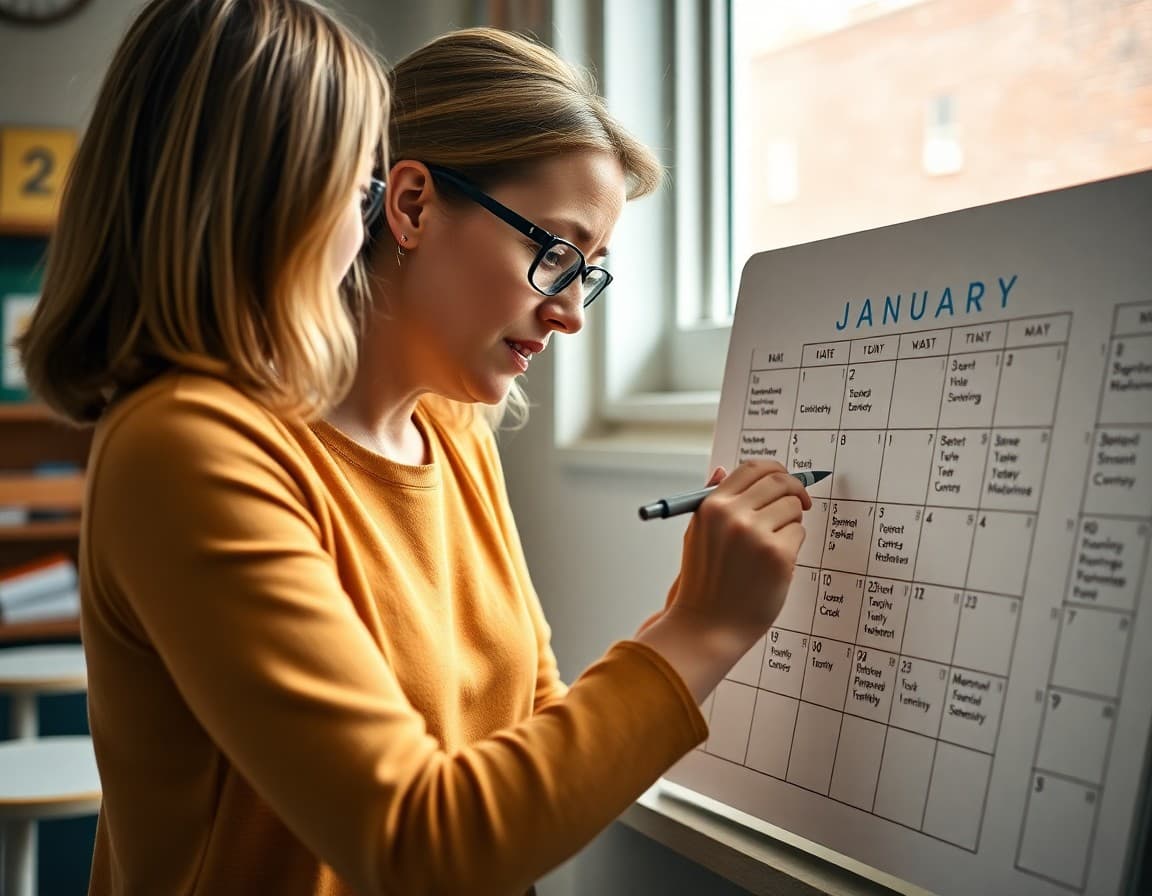
January is the most underrated month for teacher communication. Families are fresh off a break, students need a reorientation to school routines, and the second semester is a blank slate. A well-structured January newsletter sets the tone for everything that follows. Here is what to include.
Preview the Second Semester
Give families a clear overview of what the second semester holds. Major units in each subject area. Significant projects or presentations. Key dates: midyear assessments if your school does them, the spring standardized testing window, any student-led conferences or portfolio reviews. Families who see the full arc of the semester in January can plan, prioritize, and support at the right moments rather than being surprised by the events as they arrive.
Acknowledge the Post-Break Transition
Tell families that re-entry takes a few days and that is normal. "Students often need three to five days to fully re-engage after a two-week break. Homework habits, reading routines, and morning readiness may all feel harder the first week. If you experience that at home, it is not a sign that something is wrong. Consistent routines at home during the first week of January make re-entry significantly faster." That normalizing message reduces parent alarm and sets a concrete expectation.
Restore Routines That Slipped
Winter break is long enough for habits to erode. Use your January newsletter to restate the classroom routines families support at home: homework submission schedule, reading log requirements, the materials students bring daily, and the morning arrival expectations. A clean restart in January with clear expectations prevents a slow drift that becomes a real problem by March.
Invite Goal-Setting
Include a brief invitation to set one academic goal for the semester. Give families a simple framework: specific, measurable, time-bound. "Reading fifteen minutes every evening before bed for six weeks" is a goal. "Read more" is not. One focused goal revisited weekly produces real growth. Tell families you will be tracking student goals in class and ask them to do the same at home.
Highlight Upcoming Assessments
Give families a calendar of any significant assessments in January and February. Midyear reading benchmarks. Math fact fluency checks. Writing on-demand assessments. Families who know about assessments in advance can ensure their child arrives rested and can reduce the last-minute panic that comes from discovering an important test on the morning of.
Address Any Schedule Changes
If your school schedule changes in January, tell families. New specials rotations, updated dismissal procedures, changes to lunch or recess timing. January often brings schedule adjustments that were announced in the fall but that families have forgotten over break. A clean reminder in your newsletter prevents confusion the first week back.
Close With Something Real
End the newsletter with a genuine note rather than a generic closing. Something specific about the class, a moment from the fall that stood out, what you are looking forward to in the coming months. Families who read a real note from a real teacher feel differently than families who read a formatted template. That difference compounds across the year.
Get one newsletter idea every week.
Free. For teachers. No spam.
Frequently asked questions
What should go in a January teacher newsletter?
Include a second-semester preview, any schedule changes after break, upcoming assessments or events, a goal-setting invitation for families, a reflection on where students are academically, and any reminders about routines that tend to slip after a break.
How do I restart routines after winter break in my newsletter?
Be direct: 'After two weeks off, routines take a few days to re-establish. Homework habits, reading logs, and morning routines may feel harder the first week back. That is normal. By week two, they are usually back on track. A little extra consistency at home during the first week makes a real difference.'
What academic milestones should I highlight in a January newsletter?
Upcoming midyear assessments if applicable, the start of new units in major subject areas, any project timelines that begin in January with later deadlines, and the midyear report card schedule. Families who see the full picture in January can plan around it.
Should I include goal-setting content in a January newsletter?
Yes, but keep it practical. Give families one specific goal-setting activity to do at home rather than a lengthy goal-setting curriculum. A focused, achievable goal is better than an elaborate goal-setting process that families do not have time for.
What tool makes sending a January class newsletter easier?
Daystage is built for teachers who send regular class updates. You can build your January newsletter with unit previews, upcoming dates, and a home tips section, and send it to all families at once with delivery tracking so you know it arrived.

Adi Ackerman
Author
Adi Ackerman is a former classroom teacher and curriculum writer with 8 years in K-8 schools. She writes about school communication, parent engagement, and what actually works in real classrooms.
More for Classroom Teachers
Ready to send your first newsletter?
3 newsletters free. No credit card. First one ready in under 5 minutes.
Get started free