

How to Send a Monthly Calendar Newsletter That Families Actually Use
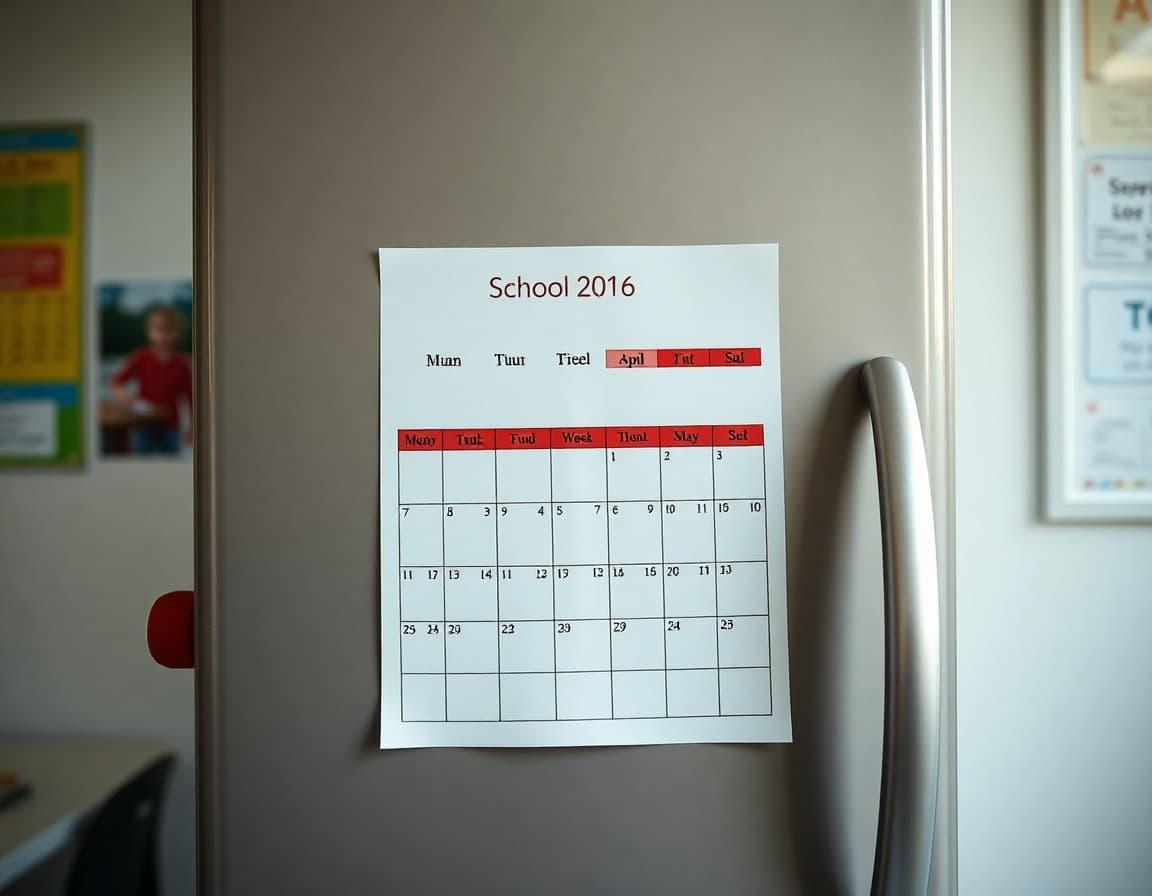
A monthly calendar newsletter is a planning document as much as a communication piece. Families use it to mark their own calendars, plan childcare, request days off work for events, and prepare their student for what is coming. The teachers whose monthly newsletters become household references share a few qualities: they send early, they format for scanning, and they include both the hard dates and the soft context that makes those dates meaningful.
Lead with the full month's calendar
Start the newsletter with a complete list of dates and events for the month. Some teachers include a visual calendar grid. Others use a simple dated list. Either format works as long as every important date is present. Field trips, picture days, early dismissals, school holidays, test weeks, project due dates, and special events should all appear. Families scan this list first. Make it the most prominent element in the newsletter.
Group the calendar by week
A calendar organized by week is easier to scan than a single running list. "Week of October 7: Monday is library day. Wednesday is the science benchmark. Friday is early dismissal." Families who want to know about a specific week can find it without reading the full document. This organization also makes it easier to update the calendar in subsequent weeks if something changes.
Add a curriculum overview for the month
Below the calendar, include a brief summary of what students will be learning. "This month in math we cover multiplication facts through twelve and introduce long division. In reading we work through our first novel study. In science we begin the earth systems unit." This section does not need to be long. It gives families the context they need to understand the work their student brings home and the questions they ask at homework time.
List what families need to do this month
A monthly action list consolidates everything families are being asked to do. Return the signed field trip form by October 4. Order yearbooks by October 15. Bring a donation for the food drive by October 30. Batching these into one clear section means families can take action on all of them at once rather than discovering them one at a time throughout the month.
Close with something worth looking forward to
A monthly newsletter earns its place when it gives families something to anticipate. "I am really looking forward to the author study we are starting on October 14. This is one of my favorite units of the year because of the conversations it generates." That kind of closing makes the newsletter feel like communication from a person rather than a schedule from an institution.
Update the newsletter when plans change
Sending a follow-up message when a date changes validates the original newsletter as a trustworthy reference. "Quick update to our October calendar: the science fair has moved from October 22 to October 29." Families who trust that you will notify them of changes are more likely to rely on your calendar in the first place.
Daystage is a practical way to format and send monthly calendar newsletters. The structured layout keeps the calendar readable and the delivery reaches every family on the device they use most.
Get one newsletter idea every week.
Free. For teachers. No spam.
Frequently asked questions
When should I send the monthly calendar newsletter?
The last school week of the previous month or the first school week of the current month both work well. Earlier is better. Families who receive October's calendar in the last week of September have more time to plan. Families who receive it in the second week of October feel like they are already behind.
What is the difference between a monthly calendar newsletter and a monthly classroom update?
A monthly calendar newsletter focuses on dates, events, and schedule information. A monthly classroom update focuses on learning themes, upcoming units, and curriculum content. The best monthly newsletters combine both, using a dated calendar or list alongside a brief curriculum preview.
How detailed should each calendar entry be?
Brief. The calendar entry is a reminder and a reference point, not a full explanation. 'Oct 12: Fall picture day, wear your best.' 'Oct 18: End of quarter. All missing work due.' Each entry should be readable in five seconds.
How do I handle events that get added or changed after the monthly newsletter is sent?
Send a brief standalone message when something changes. Reference the calendar: 'Update to our October calendar: the field trip has moved from Oct 22 to Oct 29.' Families appreciate the update and it reinforces that the original calendar was worth saving.
Can Daystage support a monthly calendar newsletter format?
Yes. Daystage lets you build a structured monthly newsletter with sections for dates, curriculum, and reminders. You can include visual calendar layouts and send to all your families in one step.

Adi Ackerman
Author
Adi Ackerman is a former classroom teacher and curriculum writer with 8 years in K-8 schools. She writes about school communication, parent engagement, and what actually works in real classrooms.
More for Classroom Teachers
Ready to send your first newsletter?
3 newsletters free. No credit card. First one ready in under 5 minutes.
Get started free