
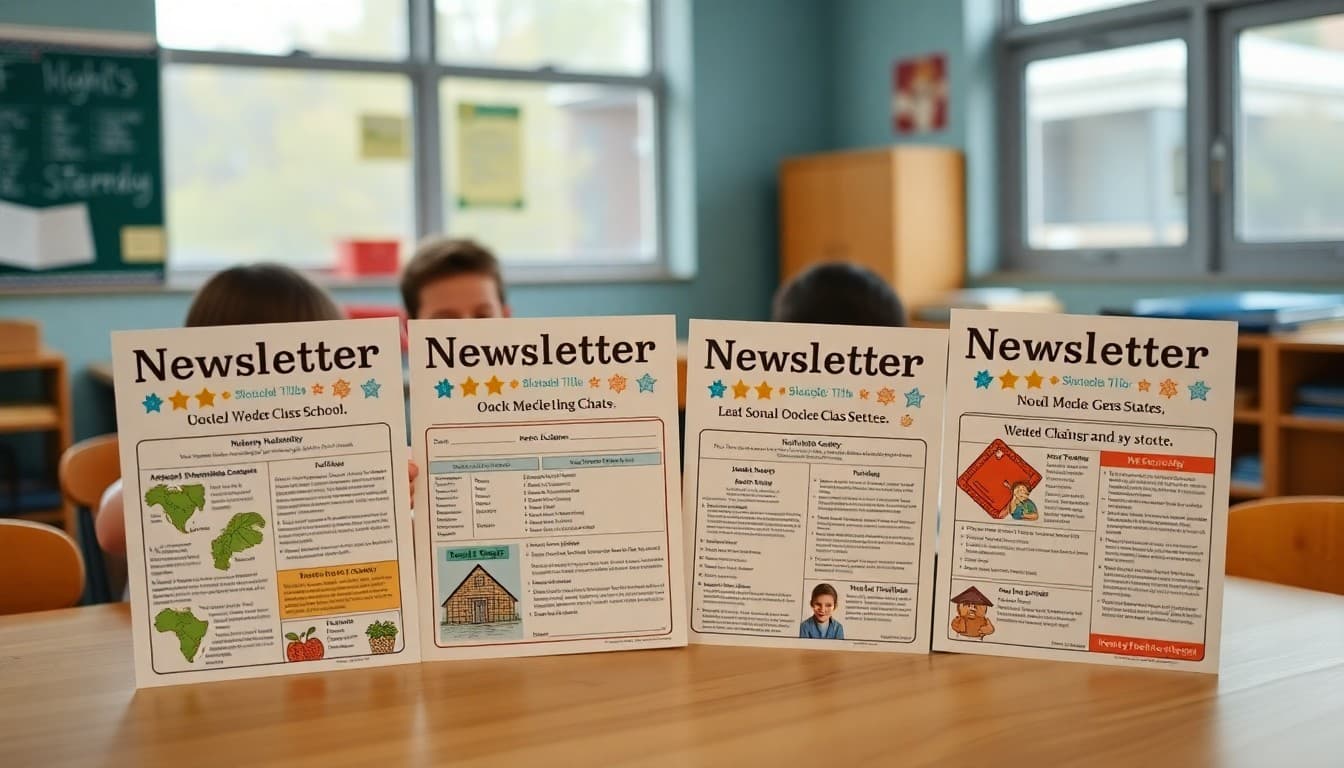
Seasonal Teacher Newsletter Templates: What to Update Each Quarter
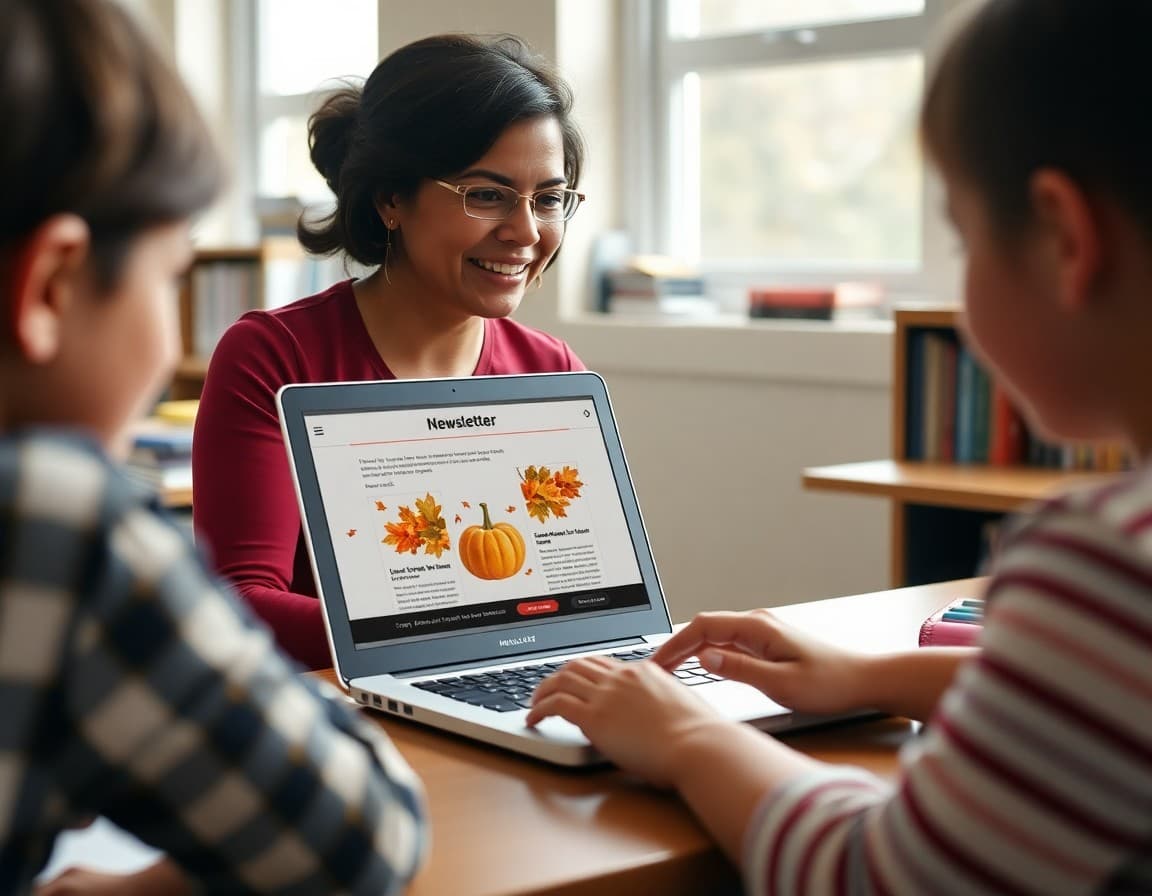
Seasonal newsletters give teachers a natural way to step back from the weekly operational rhythm and communicate with families about the bigger picture. Where are we in the school year? What learning arc are we in? What does the coming season hold? A well-designed seasonal template answers these questions efficiently because most of the structure is already built. You are updating the content, not rebuilding the format.
Build one base template and adapt it four times
The most efficient approach to seasonal newsletters is a single base template with clearly labeled sections you update each quarter. A base template might include: a seasonal greeting and reflection, curriculum overview for the period, key dates and events, reminders relevant to the time of year, what families can do at home to support learning, and a personal note. Each season you swap the content in those sections without changing the structure.
Tie the curriculum preview to the season
Each season of the school year tends to have natural curriculum alignment. Fall often includes a heavy reading and writing foundation push. Winter is frequently when math accelerates and first formal assessments occur. Spring brings science projects, social studies units, and high-stakes testing preparation. A seasonal newsletter that connects curriculum to the time of year gives families a more memorable frame for what their student is doing than a list of unit names.
Include seasonal logistics families forget until they need them
Seasonal newsletters are the right place for logistics that only matter part of the year. In fall: "Please label all jackets and outdoor gear. We go outside regardless of weather through November." In winter: "If your student attends the holiday party they should bring a small wrapped gift." In spring: "Testing week is the first week of May. Please prioritize rest and breakfast." Families forget these reminders from one year to the next and appreciate getting them before they are needed rather than after.
Reflect on where the class is in the year
Each seasonal newsletter is an opportunity for a brief reflection. "We are at the twelve-week mark. The class has come a long way from the first week in terms of the expectations they hold for themselves and each other." Observations like this give families a sense of progress that transcends grades and test scores. They remember these reflections at conferences and in year-end conversations.
Give families two or three things to do at home this season
A seasonal newsletter has the space to include meaningful home support suggestions. In fall: "Read aloud with your student three to four nights per week, even if they can read independently. The conversation is the point." In spring: "Talk to your student about their science fair project at dinner. The questions you ask drive their thinking more than you might expect." Specific, seasonal, and actionable.
Save each year's version for reference
Seasonal templates improve year over year when you keep copies of past years. Looking at last fall's newsletter before writing this year's shows you what you covered, what you skipped, and what families responded to. That kind of iteration makes the communication better over time without adding significant effort.
Daystage supports template storage and seasonal reuse, which means you are building a communication library that gets better every year. Each seasonal newsletter you send becomes the foundation for the next one.
Get one newsletter idea every week.
Free. For teachers. No spam.
Frequently asked questions
What are the four natural seasons for a school year newsletter?
Back to school in late August through September, fall in October through November, winter in December through January, and spring from February through May. Some teachers add a wrap-up newsletter in June. Each seasonal send covers the upcoming academic period and any seasonal events or reminders specific to that time of year.
How is a seasonal newsletter different from a monthly one?
A seasonal newsletter is a longer-form quarterly communication that covers curriculum themes, grade-level expectations, and seasonal school events for the entire upcoming period. A monthly newsletter is a shorter, more operational update. The two can work together: seasonal for context, monthly for specifics.
What elements should I always update in a seasonal template?
Curriculum focus areas for the season, seasonal event dates, any policy or procedure reminders that are seasonally relevant (weather gear, holiday party logistics, testing periods), a personal note reflecting on where the class is in the year, and photos from the previous season.
How long should a seasonal newsletter be?
Longer than a weekly update but not so long that it becomes a handbook. Five hundred to seven hundred words covers the content well. You have more space in a seasonal newsletter to be reflective and forward-looking without the space becoming a burden to read.
Can Daystage help me manage seasonal newsletter templates?
Yes. You can save each seasonal newsletter as a template in Daystage, update only the season-specific content each year, and send to your current class families. The format stays consistent and the content evolves with each school year.

Adi Ackerman
Author
Adi Ackerman is a former classroom teacher and curriculum writer with 8 years in K-8 schools. She writes about school communication, parent engagement, and what actually works in real classrooms.
More for Classroom Teachers
Ready to send your first newsletter?
3 newsletters free. No credit card. First one ready in under 5 minutes.
Get started free