

Teacher Newsletter for Essay Unit: Preparing Families for the Writing Process
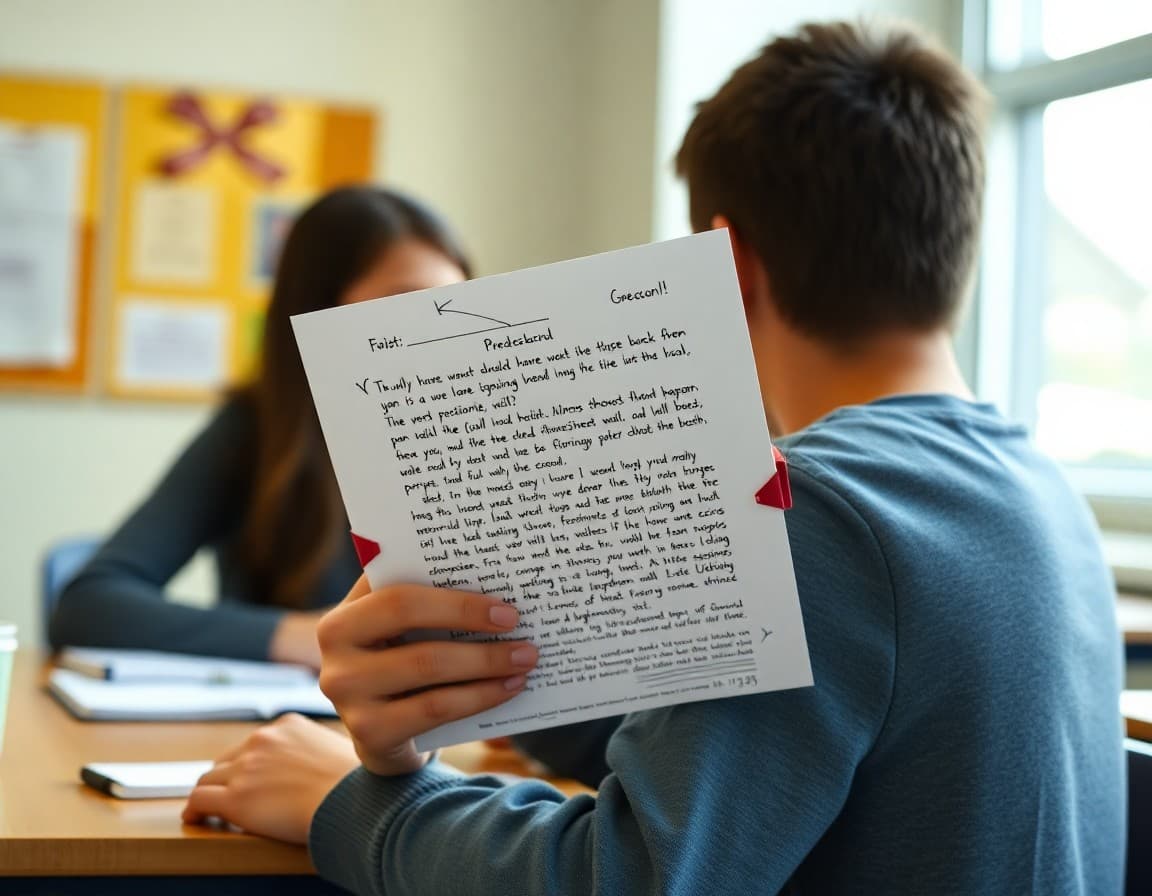
Essay units generate more parent involvement than almost anything else you assign. The stakes feel high, the process is visible to parents at home, and the gap between what adults think "a good essay" looks like and what you are actually teaching can create real conflict. A clear newsletter at the start of the unit sets the right expectations and gives families a productive role rather than an intrusive one.
Introduce the essay type and the prompt or topic
Start by telling families exactly what students are writing. Is this an argumentative essay? An informational essay? A literary analysis? A personal narrative framed as a formal essay? And what is the specific prompt or topic area? Parents who know what their student is working on can ask relevant questions at home and avoid steering them in a direction that conflicts with the assignment.
Walk families through the writing process steps
Many parents were taught to write a first draft, fix it, and submit. The multi-stage writing process is different. Explain the stages you are using: prewriting and brainstorming, rough draft, peer review, revision, editing, and final draft. Let families know where students are in the process each time you send an update. Parents who understand the process are less likely to push for a "finished" essay when students are still supposed to be in the drafting phase.
Define the parent role at each stage
During prewriting, parents can help students brainstorm. During rough drafting, they should step back. After a draft is complete, they can read and give reader feedback: what part was unclear, what felt strongest, what question did they still have after reading. During editing, they can flag obvious spelling or punctuation errors. They should not rewrite sentences. Putting this in the newsletter prevents most of the over-involvement that undermines the learning.
Share the assessment criteria
Tell families how the essay will be assessed. Most essay rubrics evaluate claim or thesis, organization, evidence and support, voice or style, and conventions. When parents know the criteria, they can guide their student's revision thinking more effectively. "Does your evidence actually support your claim?" is a rubric-grounded question. "This paragraph is confusing" is not.
Give families the timeline with clear milestones
A rough draft due on one date, revision due the next week, and final draft due at the end: these are the milestones families need to know. If any part of the writing process involves take-home work, tell parents when it is due, what stage it is at, and what kind of support is appropriate at that stage.
Address the ghostwriting problem directly
This is worth a direct sentence in the newsletter. "Please resist the urge to rewrite your student's sentences. When I assess the essay, I am assessing your student's current writing skill. A beautifully written essay that does not reflect what your student can do makes it harder for me to see where they need support." Most parents will respond well to that reasoning.
Close with confidence-building language for students
Essay writing is hard at every level and many students approach it with dread. Give parents a message to pass on: "Every writer starts with a rough draft. A rough draft is not a failure. It is the raw material." Families who carry this message home create an environment where students are willing to start, which is the hardest part.
Get one newsletter idea every week.
Free. For teachers. No spam.
Frequently asked questions
What should I include in an essay unit newsletter?
Cover the type of essay students are writing, the writing process steps you are teaching, the timeline with key draft due dates, what parent involvement should look like, and how you will assess the final piece. A description of the specific prompt or topic helps families ask better questions at home.
How do I explain the difference between types of essays to parents?
Keep it simple. Argumentative essays take a position and defend it with evidence. Informational essays explain a topic. Narrative essays tell a story. Most parents know what an argument and a story are. Connecting essay types to those familiar formats is enough.
How should parents help with essay drafts at home?
Ask parents to be readers, not editors. 'Tell me your main argument' and 'Where is your best evidence?' are questions a reader asks. Rewriting sentences is editing. Keep families in the reader role and save the editing decisions for the student and the classroom.
How do I handle it when a parent clearly wrote part of the essay?
Have a private conversation with the family. Do not accuse, but explain that the sections that read differently put the student at a disadvantage because you cannot assess their actual skill level. The goal of the essay is evidence of what the student can do, not a polished product.
Can Daystage help me communicate about essay units with families throughout the process?
Yes. Daystage is ideal for sending newsletters at key points in a multi-week unit, such as the kickoff, mid-draft check-in, and revision phase, keeping families informed without requiring you to write from scratch each time.

Adi Ackerman
Author
Adi Ackerman is a former classroom teacher and curriculum writer with 8 years in K-8 schools. She writes about school communication, parent engagement, and what actually works in real classrooms.
More for Classroom Teachers
Teacher Newsletter for Informational Writing: What Families Should Know
Classroom Teachers · 6 min read
Teacher Newsletter for Narrative Writing: Connecting Families to Personal Stories
Classroom Teachers · 6 min read
Teacher Newsletter for Editing Skills: What Families Can Do to Help Writers
Classroom Teachers · 6 min read
Ready to send your first newsletter?
3 newsletters free. No credit card. First one ready in under 5 minutes.
Get started free