
Introducing Classroom Gratitude Journals to Families in Your Teacher Newsletter
What Gratitude Journals Do in a Classroom
A gratitude journal is a simple practice: students write down something they noticed or appreciated. That is the whole thing. But the cumulative effect of doing it regularly is significant. Students who practice gratitude consistently tend to be more positive, more resilient, and more aware of the good things that happen in ordinary days. It also gives them a writing habit that builds over time.
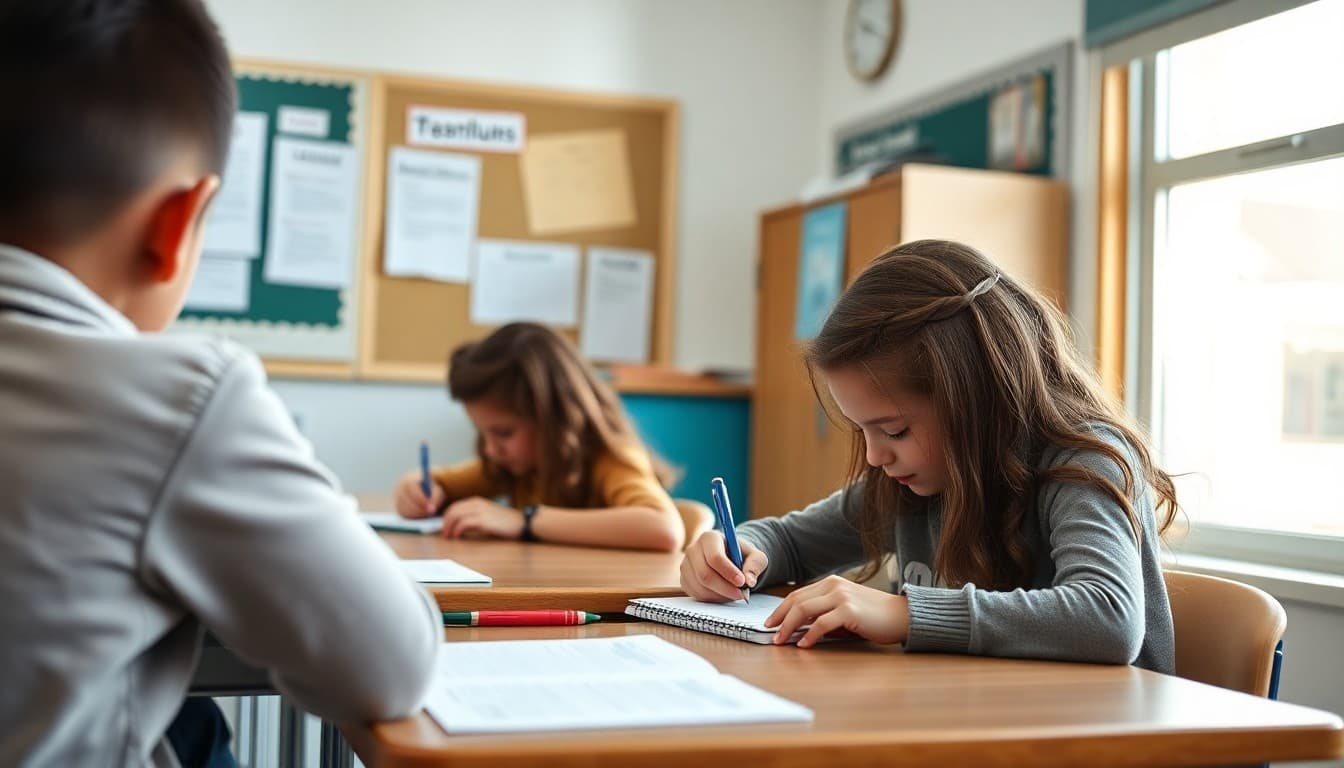
Your newsletter is the right place to explain this to families so they understand what their child is doing during the first ten minutes of class on Tuesday and Thursday.
Explain How You Run the Practice
Walk families through your format briefly. How long do students write? What prompts do you use? Do they share with a partner, or is the journal private? The details matter because they help families see the practice as intentional rather than just free writing with a positive framing. When families understand the structure, they take it more seriously and support it more actively at home.
Share a Recent Prompt in Your Newsletter
Each time you reference gratitude journals in your newsletter, include one recent prompt. "This week we wrote about one person in our community who made our lives better this month." That concrete detail gives families something to ask about. "What did you write for that one?" is a much better dinner question than "did you do anything fun today?"
Describe What You Notice in the Classroom
If you observe that gratitude journaling has changed something in your classroom, say so in your newsletter. "I've noticed that students who struggle with the gratitude prompt are often the students who are having a hard week. It gives me useful information about who needs extra support." Or: "The class has started noticing small things more. Two students pointed out a beautiful sunset through the window last week without being prompted." Real observations carry more weight than research citations.
Offer a Simple Home Version
Include one specific suggestion in your newsletter for families who want to try gratitude journaling at home. It does not require a special notebook. A sticky note on the bathroom mirror that asks "one good thing today?" works. A family dinner question, "each person name one thing you noticed today," is enough. Keep the suggestion concrete and low-effort. Families are more likely to try something simple.
Handle Skepticism Honestly
Some parents will roll their eyes at gratitude journals. Some will wonder if it is a waste of instructional time. Your newsletter can address this directly without being defensive. "I know gratitude practice can sound soft. What I observe in class is that students who do it consistently are better at noticing when things go well, which helps them stay regulated when things go badly. That skill matters." Plain, observational language is more convincing than enthusiasm.
Let Students Write for the Newsletter
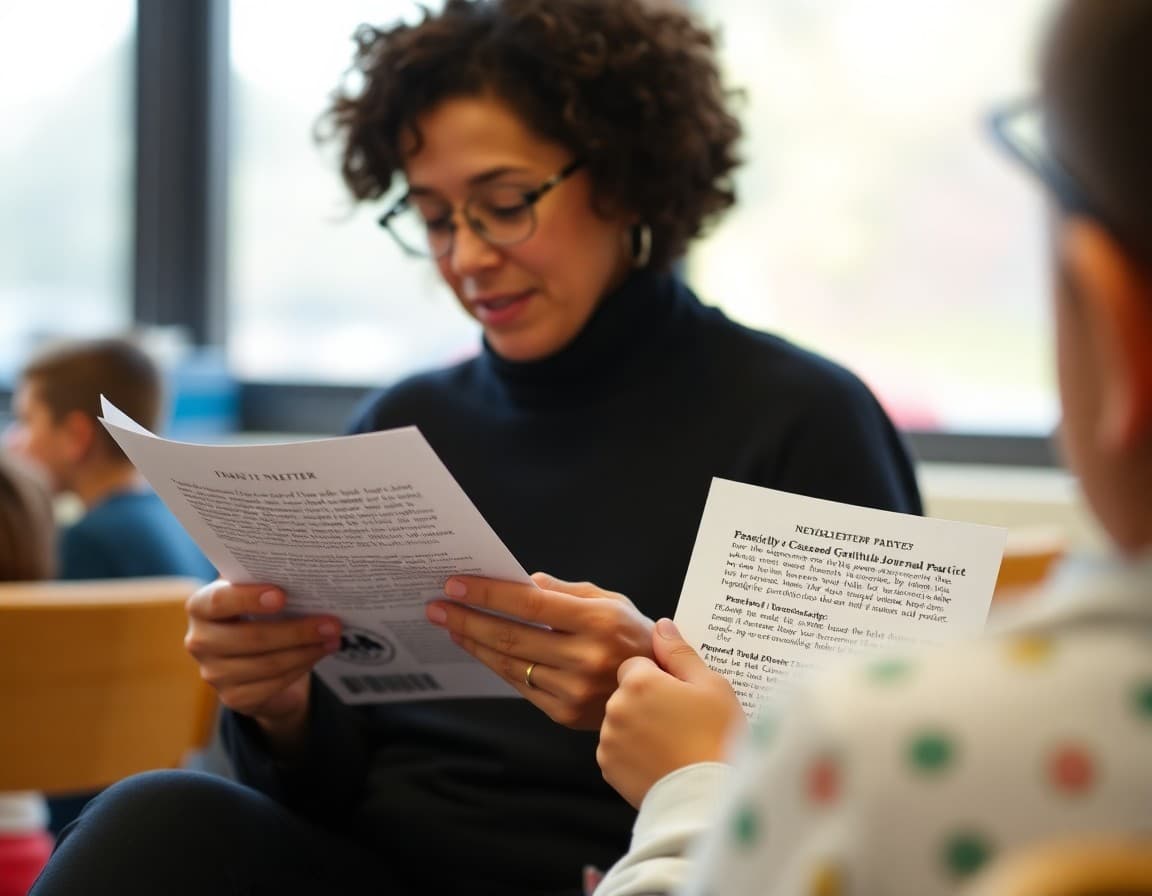
Once per month, invite a volunteer to share a gratitude journal entry (or a line from one) for the newsletter. Student voice makes the practice feel real to families in a way that teacher description cannot. And the student whose entry is shared gets a moment of recognition that reinforces the habit. Both outcomes are worth the extra step.
Get one newsletter idea every week.
Free. For teachers. No spam.
Frequently asked questions
Why do teachers use gratitude journals in the classroom?
Research consistently shows that a regular gratitude practice improves emotional wellbeing, reduces anxiety, and builds a more positive classroom climate. For students, it also develops writing fluency and the habit of looking for the positive in ordinary days.
How often should students write in gratitude journals?
Two to three times per week is a sustainable classroom practice. Daily journaling risks feeling mechanical if students run out of things to say. Less frequent sessions give students time to accumulate real experiences worth writing about.
What should I share about gratitude journaling in my newsletter?
Explain the purpose, describe the format students use, and share one example prompt you used recently. Then offer a home version families can try. Three sentences total is enough to give families everything they need.
How do I handle students who say they have nothing to be grateful for?
Teach them to start small. Not 'I'm grateful for my family' but 'I'm grateful that the sun was out at recess' or 'I'm grateful that someone held the door.' Small specifics are more honest and more useful than big abstractions.
How does Daystage help teachers communicate social-emotional practices to families?
Daystage lets you include a regular SEL section in your newsletter where you share practices like gratitude journaling in context. Families get updates about the full classroom experience, not just academic progress, which builds a more complete picture of their child's day.

Adi Ackerman
Author
Adi Ackerman is a former classroom teacher and curriculum writer with 8 years in K-8 schools. She writes about school communication, parent engagement, and what actually works in real classrooms.
More for Classroom Teachers
Sharing Your Classroom Kindness Board With Families via Teacher Newsletter
Classroom Teachers · 6 min read
Using a Strength-Based Approach in Your Teacher Newsletter Communications
Classroom Teachers · 6 min read
Using Daily Feelings Check-Ins in the Classroom: A Guide for Families
Classroom Teachers · 6 min read
Ready to send your first newsletter?
3 newsletters free. No credit card. First one ready in under 5 minutes.
Get started free