

Using Daily Feelings Check-Ins in the Classroom: A Guide for Families
What a Feelings Check-In Actually Is
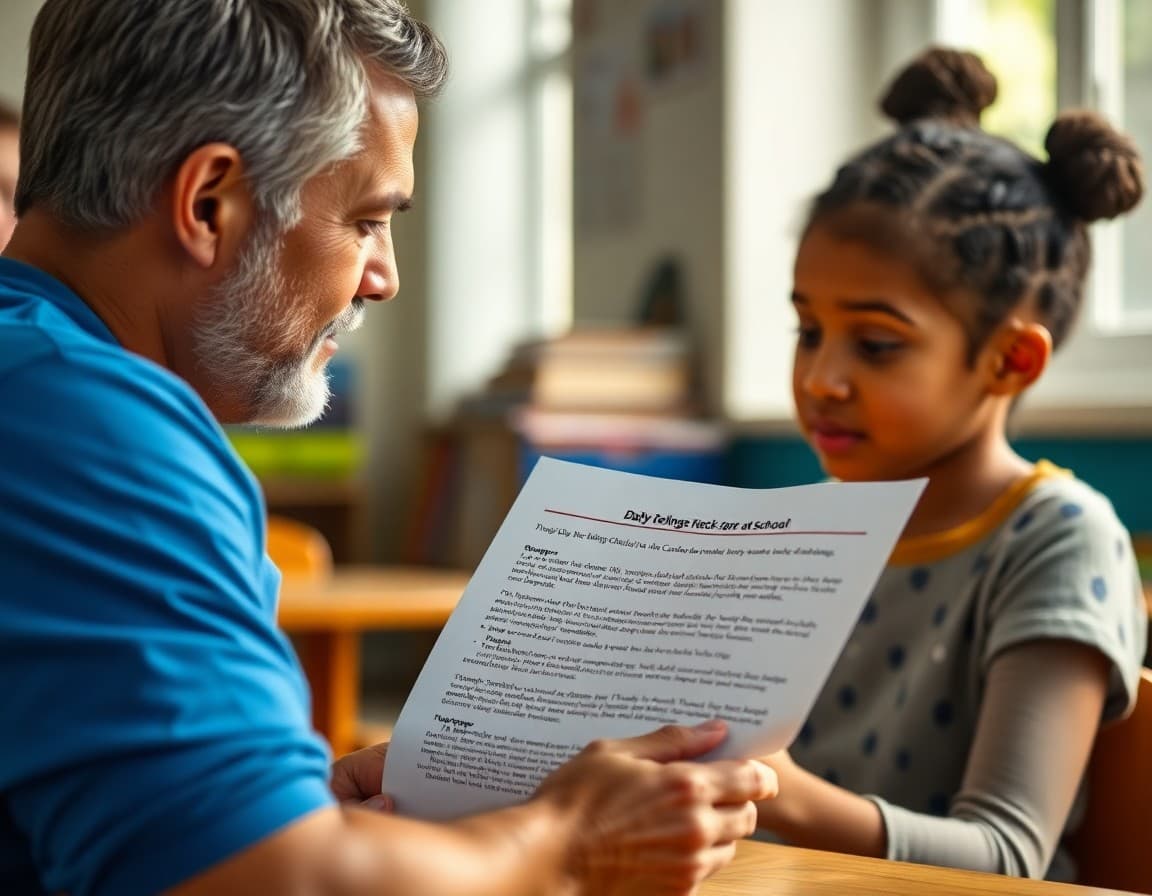
A feelings check-in is a short, structured moment at the start of the school day where every student names or signals how they are feeling. It might be a number on a scale, a word on a card, a color, or a simple gesture. It takes two to three minutes and happens before any instruction begins.
The goal is not to fix feelings. It is to notice them. A student who arrives worried about a sick parent is not ready to process fractions until someone acknowledges that worry exists. The check-in creates that acknowledgment.
Why Every Student Participates, Not Just the Struggling Ones
When only students who are visibly struggling are asked how they feel, it creates two messages: emotional check-ins are for kids with problems, and fine-looking students do not need support. Universal check-ins normalize emotional awareness for everyone. The student who says "I'm a 5 today" and the student who says "I'm a 2" both received the same invitation to be honest. That equality matters for classroom culture.
How Teachers Use the Information
A quick scan of check-in responses tells the teacher a great deal before the morning routine ends. Three students are in the low range. The teacher knows to check in with them before independent work. Two students are unusually high-energy. The teacher knows to give them a movement break early. This information shapes small decisions across the day without requiring lengthy individual conversations.
What Families Can Do With This Information
Your newsletter can let families in on the practice with a simple suggestion: ask your child what number (or color, or word) they chose at check-in today. That question gives the conversation a concrete starting point rather than the notoriously unhelpful "how was your day?" Most children know their check-in answer. Using it opens the door.
How to Run a Home Check-In
Families do not need a chart or a formal process. A bedtime or dinner check-in question like "on a scale of one to five, how did today feel?" takes thirty seconds. The number matters less than the conversation it starts. If a child says two, you ask what made it a two. If they say five, you celebrate. The habit of naming an emotional state each day builds the vocabulary and self-awareness that make all emotional conversations easier over time.
Handle Low Scores Without Alarm
Families sometimes worry when a child reports a low number at check-in. Your newsletter can address this directly. "A low check-in score is useful information, not a crisis signal. It tells me to pay attention to that student, and it gives the student a moment to feel seen. If I have any serious concerns based on a pattern of low scores, I will reach out directly." That clarity lets families accept the practice without anxiety about what their child's responses reveal.
Build the Language Over Time
The first time many students do a feelings check-in, they guess or copy their neighbor. Over weeks of daily practice, they develop genuine fluency. They start choosing words that actually describe their experience. They notice when their morning two becomes an afternoon four. That development is the point, and it happens gradually. Your newsletter can mark that progress with a periodic note: "The class is getting much better at naming specific emotions. That skill will serve them for years."
Get one newsletter idea every week.
Free. For teachers. No spam.
Frequently asked questions
What is a feelings check-in and how does it work in the classroom?
A feelings check-in is a brief daily activity where students name or show how they are feeling, usually through a visual scale, a word, or a gesture. It takes two to three minutes and helps the teacher know who needs extra support before the learning day begins.
Why do teachers do feelings check-ins rather than just observing?
Observation catches obvious distress but misses the student who is quietly struggling. A check-in gives every student a moment to name their state, which builds self-awareness and gives the teacher information to respond to before small feelings become big disruptions.
Should I do a feelings check-in at home too?
Yes, and it does not need to be formal. A simple 'on a scale of 1 to 5, how are you feeling right now?' at breakfast or after school takes thirty seconds. Over time, children become fluent at naming their emotional state, which makes every conversation about feelings more productive.
What if my child says they feel bad every day during check-in?
Talk with the teacher if you notice this pattern. A student who consistently reports difficult emotions during check-in may benefit from additional support, a conversation about what is happening at home, or a small adjustment to classroom expectations during transition times.
What tool helps teachers communicate SEL practices like check-ins to families?
Daystage makes it easy to include a weekly SEL update in your newsletter alongside academic content. Families see the full picture of classroom life, not just homework and tests, and understand the emotional learning that supports everything else.

Adi Ackerman
Author
Adi Ackerman is a former classroom teacher and curriculum writer with 8 years in K-8 schools. She writes about school communication, parent engagement, and what actually works in real classrooms.
More for Classroom Teachers
Introducing Your Classroom Calm Corner to Families in Your Teacher Newsletter
Classroom Teachers · 6 min read
Introducing Zones of Regulation to Families Through Your Teacher Newsletter
Classroom Teachers · 6 min read
Using a Strength-Based Approach in Your Teacher Newsletter Communications
Classroom Teachers · 6 min read
Ready to send your first newsletter?
3 newsletters free. No credit card. First one ready in under 5 minutes.
Get started free