
Teacher Newsletter for Global Classroom Projects and Pen Pal Programs

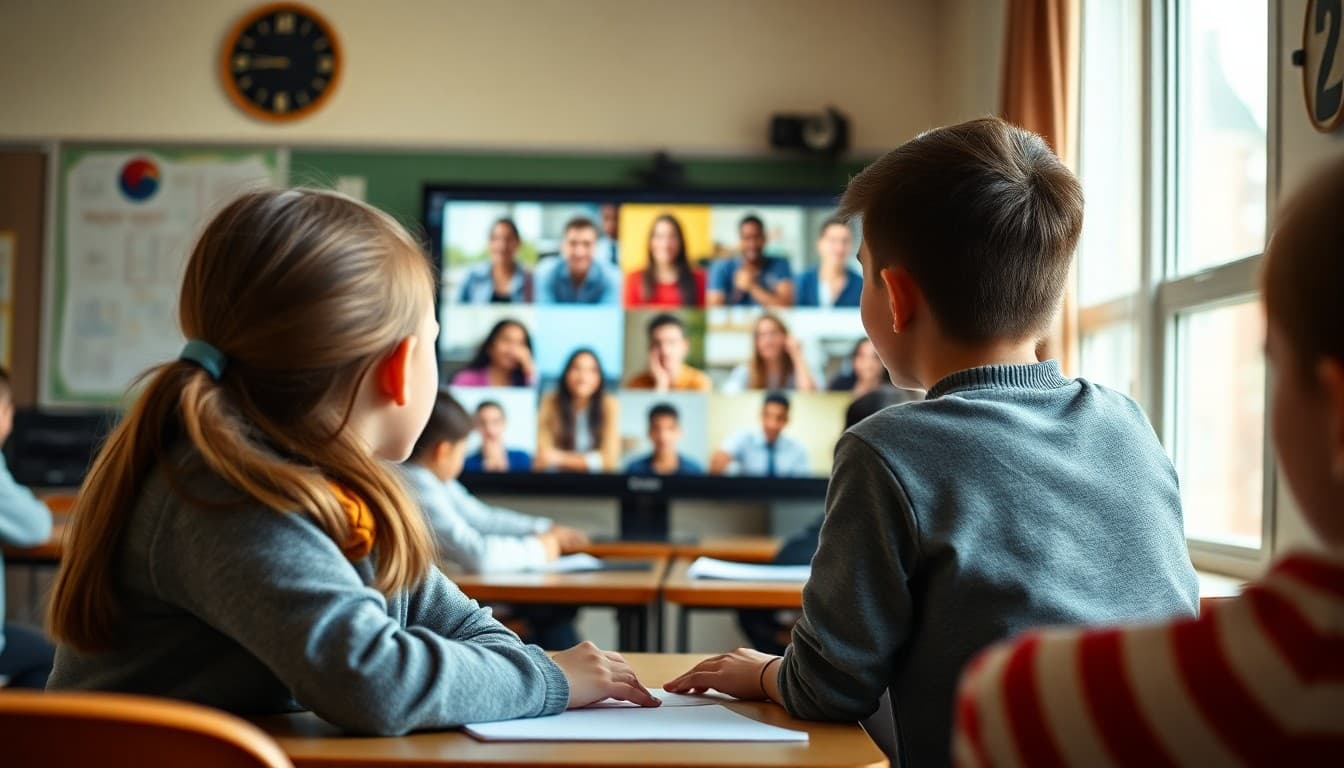
A global classroom project connects students to peers across the world. Whether it is a pen pal exchange, a video call with a partner class in another country, or a shared project across time zones, the experience builds cultural awareness and communication skills that no textbook can replicate. Your newsletter is what brings families into the project and ensures they support rather than second-guess it.
Introduce the Partner Classroom and Country
Open the newsletter with a brief description of who your students will be connecting with. The partner school, the city or region, and the country. A sentence about what that place is like, whether it is climate, culture, or current events, gives families and students a hook before the first exchange happens. Students who know a little about where their pen pals live arrive to the first contact with genuine curiosity.
Explain the Exchange Format
What will students actually do? Write letters? Participate in video calls? Collaborate on a shared document or digital project? The format matters because it determines how much class time is involved, what skills students will use, and what the pacing of the exchange looks like. Families who understand the structure can anticipate what their child will talk about at home.
Cover Privacy Guidelines Clearly
International student exchanges require clear boundaries. Name exactly what information students will share: first name, grade level, interests, and observations about their own community. Confirm that home addresses are not shared and that all communication happens through a school-managed platform. This brief section prevents anxiety and builds confidence in the project from the start.
Connect the Project to Learning Goals
A global exchange is not just a nice experience. It is a structured opportunity to practice writing for a real audience, develop cross-cultural empathy, and apply geography and social studies knowledge in a meaningful context. Your newsletter should name those connections so families understand that the project is purposeful work, not a break from the curriculum.
Suggest Ways Families Can Get Involved
Invite families to research the partner country with their child at home. Share a few talking points: What do you already know about that country? What would you want to learn? What would you want your pen pal to know about where you live? These questions turn the newsletter into a conversation starter and deepen the exchange experience beyond the classroom.
Share Updates Throughout the Project
A brief newsletter after each exchange milestone, a first letter sent, a video call completed, a shared project published, keeps families engaged and celebrating the experience alongside their child. Using Daystage, those quick updates stay visually polished and reach your full parent list without requiring separate tools for each message.
Get one newsletter idea every week.
Free. For teachers. No spam.
Frequently asked questions
What should a global classroom newsletter explain?
Describe the partner classroom location, how the exchange will work (video calls, letters, shared projects), the learning goals, the schedule, and any privacy or communication guidelines. Families need to understand the scope of the project and how their child will be interacting with students from another country.
How do I address privacy concerns about students communicating internationally?
Be specific about what information students will and will not share. First names only or full names? School name and country only or home addresses? If communication happens through a managed classroom platform rather than personal email, say so. Families who see a clear privacy framework are more comfortable with international exchanges.
How does a global classroom project connect to the curriculum?
Global exchanges build geography, social studies, language arts, and cultural literacy skills. If the exchange is part of a specific unit, like a world cultures project or a comparative climate study, name that connection. Framing the exchange as academic deepens family appreciation for the project.
Can families help prepare their child for the global exchange?
Yes. Suggest that families look up the partner country together, find it on a map, explore what the climate and daily life are like there, and discuss any cultural differences worth knowing. Students who arrive to the exchange with some background knowledge have richer conversations with their international classmates.
What tool helps teachers send newsletters efficiently?
Daystage makes global classroom newsletters easy to produce. You can include a map image of the partner country, the exchange schedule, privacy guidelines, and home extension suggestions in one polished message sent to your entire parent list.

Adi Ackerman
Author
Adi Ackerman is a former classroom teacher and curriculum writer with 8 years in K-8 schools. She writes about school communication, parent engagement, and what actually works in real classrooms.
More for Classroom Teachers
Teacher Newsletter for Virtual Field Trip: Prep Families for Digital Learning
Classroom Teachers · 6 min read
Teacher Newsletter for Cultural Competency Units in Your Classroom
Classroom Teachers · 6 min read
How to Write About Social Studies Projects in Your Classroom Newsletter
Classroom Teachers · 5 min read
Ready to send your first newsletter?
3 newsletters free. No credit card. First one ready in under 5 minutes.
Get started free