
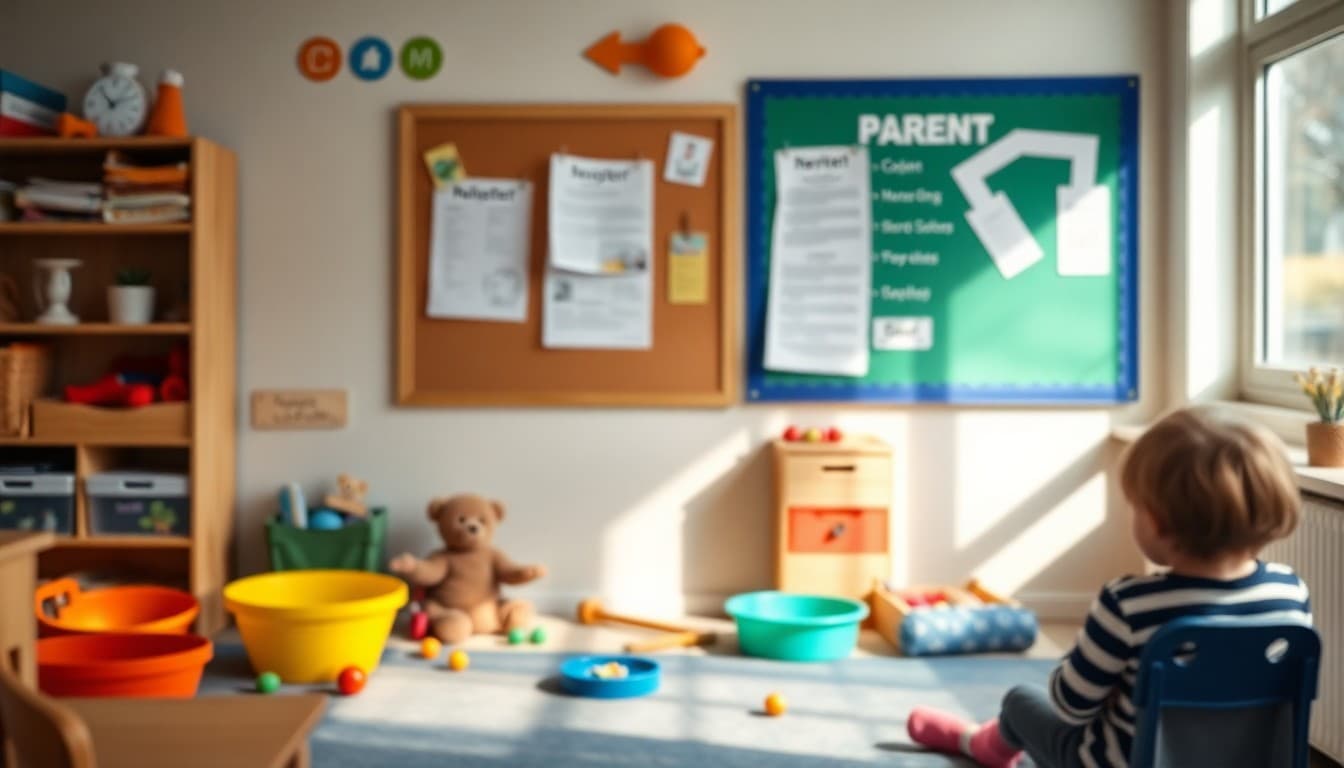
Introducing Your Classroom Calm Corner to Families in Your Teacher Newsletter

Why Families Need to Know About the Calm Corner
When a student tells their parent "I went to the calm corner today," the parent's interpretation of that statement depends entirely on what context they have. With no explanation, some parents assume their child was punished or singled out. Others assume the student had a behavioral incident. A newsletter that introduces the calm corner at the start of the year, before any child uses it, prevents those misinterpretations.
Explain What the Space Is and What It Is Not
Be direct in your newsletter. The calm corner is a regulation tool, not a timeout. Students who go there are not in trouble. They are learning to notice when their nervous system is overwhelmed and to use a strategy to bring it back to a workable state. This skill, self-regulation, is one of the most important things children develop in early school years. The calm corner is where they practice it.
State clearly that it is not a consequence, it is not for students who misbehave, and it is not a place students are sent. It is a place students choose to go.
Describe the Tools Available
Families are curious about what is in the space. Give them a brief inventory in your newsletter. A visual breathing guide that walks students through slow breathing. A stress ball or sensory object. A small stuffed animal. Cards with short regulation strategies. A timer so students know how long they can stay. Describing the tools demystifies the space and often leads families to ask their child what their favorite tool is, which opens a productive conversation.
Explain How Students Learn to Use It
The calm corner does not work if students simply go there whenever they want to avoid work. In your newsletter, explain that you teach students explicitly when and how to use the space. They practice it before they need it. They learn what "regulated enough to return" feels like. That structure is what makes the calm corner a tool rather than a disruption.
Suggest a Home Version of the Calm Corner
A brief newsletter section describing how to create a simple calm corner at home extends the regulation practice beyond the school day. A soft corner with a blanket, a stress ball, and a visual breathing guide is enough. When children have access to the same kind of space at home, they develop the habit of using tools to regulate rather than escalating or shutting down. That habit is the point.
Share What You Observe When Students Use It Well
When the calm corner is working, mention it in your newsletter. "The class has been using our calm corner tools really well this month. I have noticed students returning to activities more quickly and with less support from me." That kind of update tells families the tool is producing results and normalizes emotional regulation as a skill worth developing, not a sign of weakness.
Address the Child Who Never Needs the Calm Corner
Some parents worry their child is too emotional because they use the calm corner regularly. Others worry their child is suppressing emotions because they never use it. In your newsletter, normalize both. "Some students use the calm corner often. Others rarely need it. Both are fine. The goal is that every student knows the tools exist and feels comfortable using them when they are needed." That framing removes the judgment from both patterns.
Get one newsletter idea every week.
Free. For teachers. No spam.
Frequently asked questions
What is a classroom calm corner?
A calm corner is a designated space in the classroom where students can go when they need to regulate their emotions. It typically includes sensory tools, breathing visuals, and calming activities. It is not a punishment space. Students choose to use it when they feel overwhelmed.
How do I explain the calm corner to parents who may see it as avoiding consequences?
Clarify that the calm corner is a regulation tool, not an escape. Students use it to get ready to re-engage, not to avoid accountability. Once they regulate, they return to the activity and responsibilities. The calm corner speeds up that return rather than replacing it.
What should families include in a home calm corner?
Simple items work well: a soft pillow or blanket, a stress ball, a visual breathing guide, a fidget toy, and a picture of something comforting. The space does not need to be elaborate. A corner of a room with a basket of calming tools is enough.
How do students learn to use the calm corner appropriately?
Teach it explicitly at the start of the year. Students need to know what the space is for, what tools are available, how long they can stay, and what they do when they return. Your newsletter can briefly describe this teaching process so families know it is structured, not open-ended.
How does Daystage help teachers share SEL classroom tools with families?
Daystage lets you include photos and descriptions in your newsletter without a separate upload process. You can share a photo of the calm corner, describe the tools, and explain how students use it, all within your regular weekly send so families see it in context.

Adi Ackerman
Author
Adi Ackerman is a former classroom teacher and curriculum writer with 8 years in K-8 schools. She writes about school communication, parent engagement, and what actually works in real classrooms.
More for Classroom Teachers
Ready to send your first newsletter?
3 newsletters free. No credit card. First one ready in under 5 minutes.
Get started free