
Teacher Newsletter for a Fake News Unit: Communicating With Families
Media literacy is one of the most practical skills you can teach right now. Students are already consuming news, social media posts, and viral content. Your unit gives them the tools to evaluate what they see rather than absorbing it uncritically. Your newsletter helps families understand why this matters and how to build the same habits at home.
Explain What Media Literacy Actually Means
Start by defining the skill clearly. "Media literacy is the ability to access, analyze, evaluate, and create media. In this unit, we focus on evaluation: asking whether information is credible, accurate, and presenting a complete picture, or whether it is misleading, partial, or false." That definition is more useful than "we are learning about fake news," which can sound politically loaded before you have even begun.
Describe the Evaluation Framework You Are Teaching
Tell families the specific process students are using. If you are teaching SIFT, explain each step. If you are using lateral reading, describe what that looks like: "Instead of judging a source by looking at the source itself, students look at what other sources say about it. A search for the publisher's reputation tells you more in thirty seconds than reading the source carefully for five minutes." That process is more effective than gut-checking, and families can use it too.
Share What Students Are Practicing
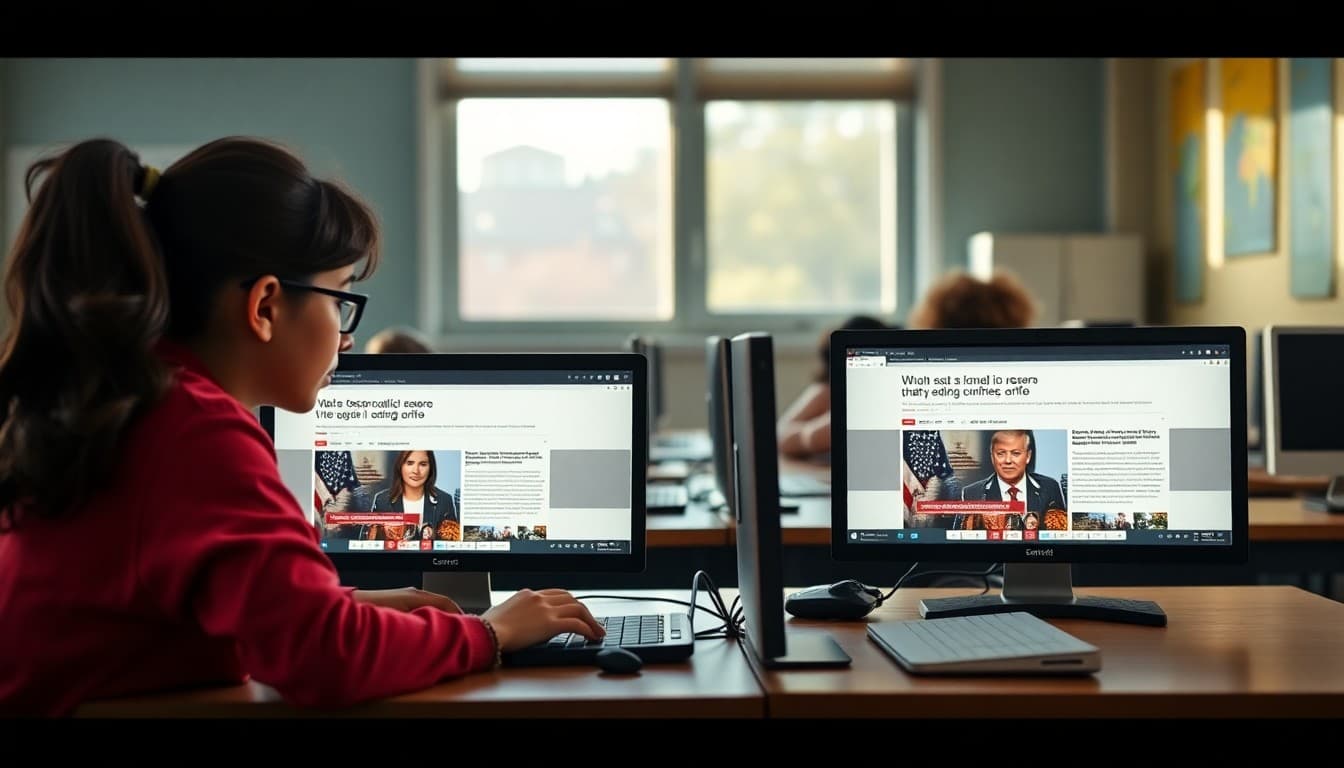
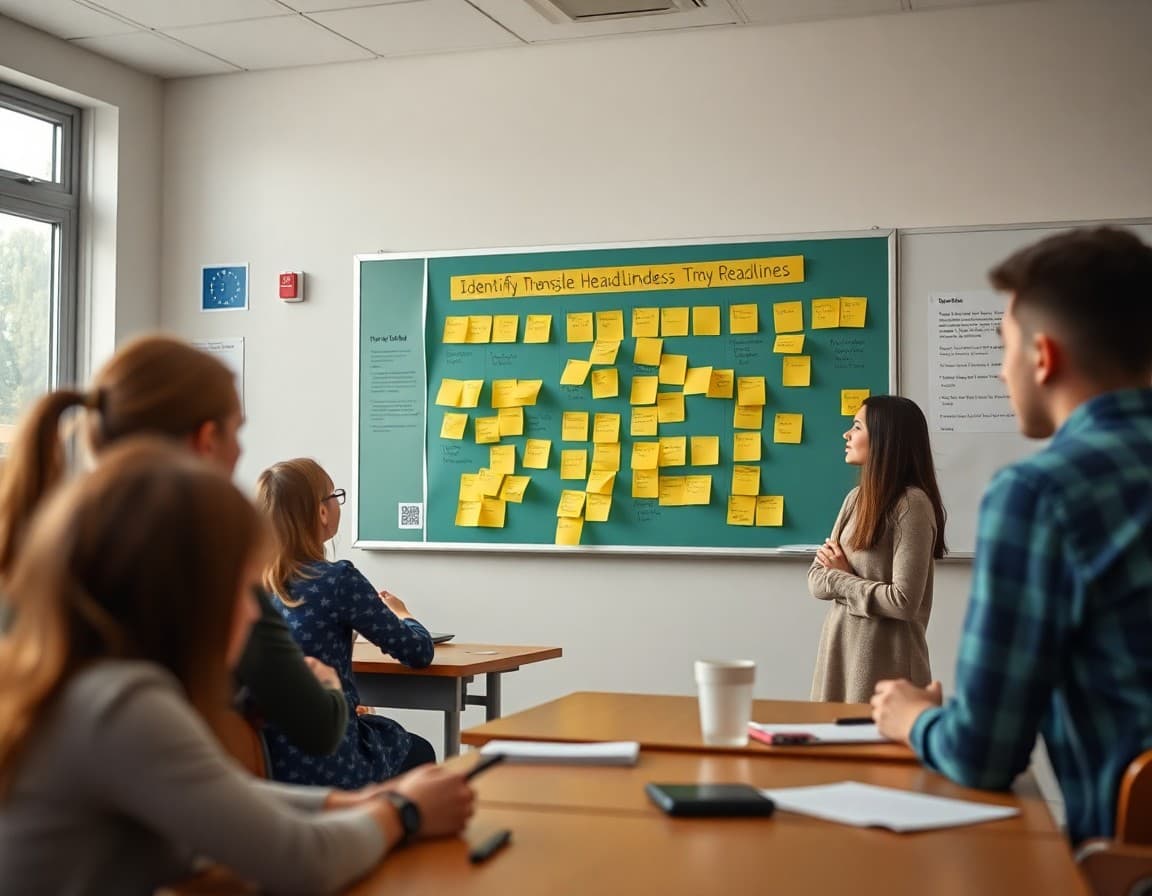
Give families a description of the activities. Analyzing headlines to see whether they accurately represent the article content. Comparing coverage of the same event across different outlets. Identifying emotional language designed to provoke rather than inform. Tracing a viral claim back to its original source. These are real skills your students will use for the rest of their lives.
Give Families a Home Practice
Provide a specific home exercise families can do this week. Choose one piece of information you encountered online and run it through the evaluation checklist together: Who is the source? What is their credibility? Is this reported elsewhere? Does the headline reflect the actual content? Does the content cite primary sources? That exercise takes less than ten minutes and builds the habit in context.
Address the Confidence Problem
Tell families something counterintuitive: "Research shows that people who feel most confident about their ability to spot misinformation are often the least accurate at it. Our goal is not to make students cynical. It is to make them careful. The skill is slowing down before sharing and asking whether you have actually verified what you think you know."
Connect to Digital Citizenship
Media literacy connects directly to internet safety: sharing misinformation spreads harm even when you do not intend it to. Ask families to model the behavior at home: "When you are about to share something on social media, run it through a quick check first. Your child is watching how you handle information online."
Point Families to Trusted Resources
Recommend specific resources families can use. The News Literacy Project at newslit.org has family guides. AllSides shows how different political perspectives cover the same story. Snopes and FactCheck.org verify specific claims. Give families the specific names so they can find them easily. A newsletter with a resource list gets used. A newsletter with a vague suggestion to "look things up" does not.
Get one newsletter idea every week.
Free. For teachers. No spam.
Frequently asked questions
What should a fake news unit newsletter include?
Include the media literacy skills you are teaching, the frameworks students are using to evaluate sources, how families can practice news evaluation at home, and why this skill matters beyond the classroom.
What frameworks do teachers use to evaluate news sources with students?
Common frameworks include SIFT (Stop, Investigate the source, Find better coverage, Trace claims to the original context), the CRAAP test (Currency, Relevance, Authority, Accuracy, Purpose), and lateral reading (checking what other sources say about the original source rather than just evaluating the source itself).
How do I talk about fake news in a way that does not feel political?
Focus on skills and processes rather than specific examples from partisan politics. Use examples that are clearly false by any standard: a doctored photo of an animal, a satirical article presented as real news, a health claim with no scientific backing. The skill is source evaluation, and it applies regardless of political leaning.
How can families practice media literacy at home?
Ask them to share one news story a week at dinner and ask the family to evaluate it together: Where did this come from? What is the source's credibility? Is there another source reporting the same thing? Does the headline match the actual content? That practice is more valuable than any worksheet.
Can Daystage help send a media literacy unit update to families?
Yes. You can send a structured newsletter in Daystage with a unit overview, example activities, and links to trusted media literacy resources like News Literacy Project or AllSides. Adding those links directly in the newsletter makes it easy for families to explore further.

Adi Ackerman
Author
Adi Ackerman is a former classroom teacher and curriculum writer with 8 years in K-8 schools. She writes about school communication, parent engagement, and what actually works in real classrooms.
More for Classroom Teachers
Ready to send your first newsletter?
3 newsletters free. No credit card. First one ready in under 5 minutes.
Get started free