

Teacher Newsletter on Research Skills: What Families Need to Know
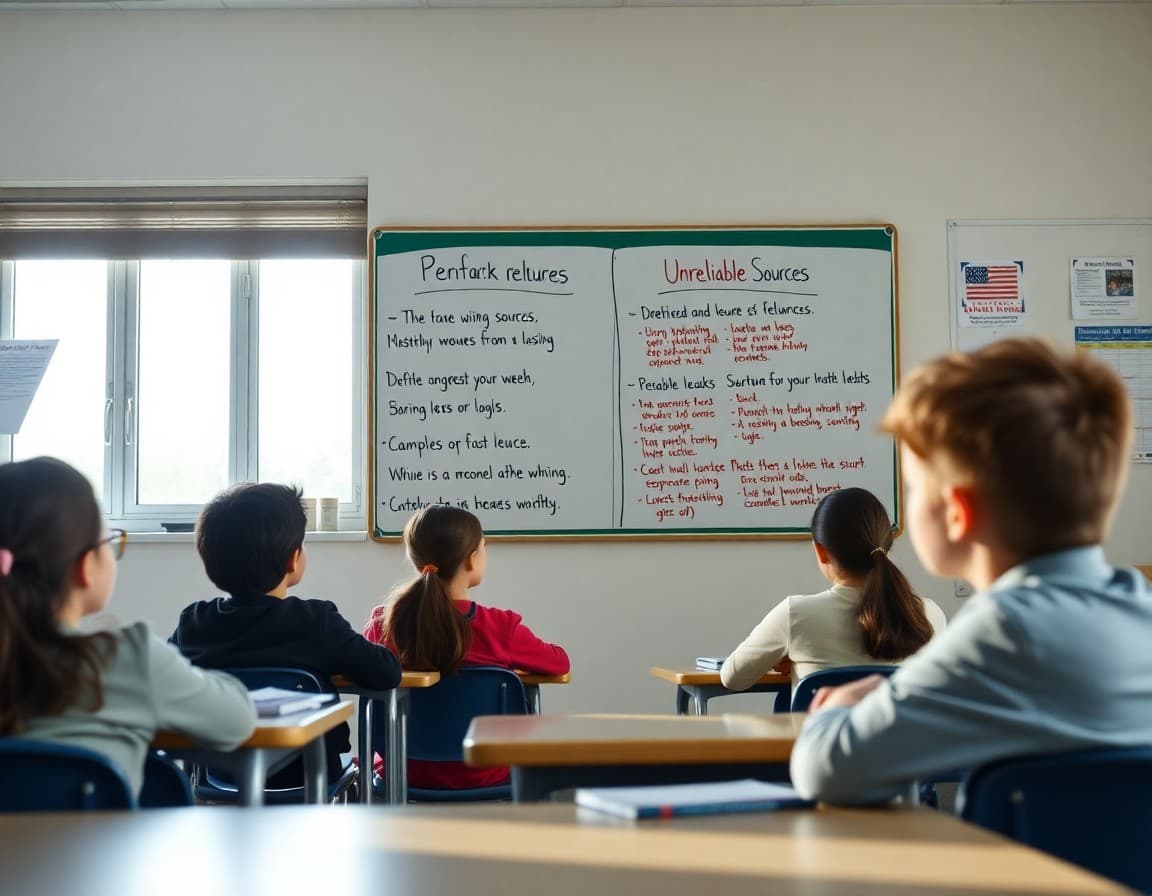
Research skills are the foundation of informed thinking. Students who cannot evaluate a source, take useful notes, or synthesize information from multiple places will struggle in every content area that asks them to go beyond what is in the textbook. Your newsletter at the start of a research unit sets families up to support the work and understand why it matters.
Explain What Research Skills Actually Are
Start by distinguishing research from Googling. "Research is a process: identify a question worth investigating, locate credible sources that address it, read those sources critically, take notes in your own words, and synthesize the information into an original response. Many students skip several of these steps. This unit slows them down and builds each step deliberately."
Describe the Source Evaluation Process
Tell families what criteria students are using to evaluate sources. Authorship and credentials. Publication date and currency. Purpose: is this trying to inform, persuade, or sell? Corroboration: is this claim supported by other reliable sources? When families understand these criteria, they can model evaluation at home: "Where did you read that? Is it from a reliable source? How do you know?" Those questions are more valuable than any worksheet.
Explain Note-Taking in Your Own Words
The skill students struggle with most in research is taking notes without copying. Tell families what you are teaching: "Students learn to read a section, close the book or tab, and write what they remember. That's it. If they cannot write it without looking, they do not understand it yet. We return to the source only to check facts, not to copy phrases." This approach is slower but produces actual understanding.
Set Clear Expectations About Sources
Tell families what sources students are allowed to use and how many. If Wikipedia is a starting point but not a final source, say that. If students must use at least two books, name the expectation. If there is a school database they should be using, tell families how to access it from home. Families who know the expectations can support them. Families who do not know them accidentally undermine them by letting students use whatever they find first.
Give Families a Home Role Without Taking Over
The best thing families can do during a research project is ask questions, not provide answers. "What is your research question? What have you found so far? Does your source seem reliable? What do you still need to find?" Those questions push the student to think, not the parent. The project belongs to the student. A family member who does the research because the child is struggling is producing a project that does not represent what the child knows.
Provide the Timeline and Milestones
Give families the project timeline now. When is the topic due? When is the note-taking phase? When is the draft due? When is the final product due? A project with a four-week timeline is only manageable if students and families see all four weeks at the start. Providing this upfront also allows families to plan around any schedule conflicts rather than discovering the deadline the week before.
Explain What the Final Product Looks Like
Tell families the format of the final project: written report, oral presentation, poster, digital slideshow, research essay. If families know the format, they can calibrate their support appropriately. A student who needs to give an oral presentation needs more practice speaking than writing. A student producing a written report needs to focus on the synthesis and organization phase. That context shapes how families help.
Get one newsletter idea every week.
Free. For teachers. No spam.
Frequently asked questions
What should a research skills newsletter include?
Include the specific skills you are targeting, the tools and sources students are allowed to use, how to take notes without copying, how families can help at home without doing the research for them, and the timeline for the project.
How do I explain source evaluation to families in a newsletter?
Use concrete examples: 'We teach students to ask four questions about every source: Who wrote it? When was it written? What is their purpose for writing it? Is the information supported by other reliable sources? A random website that anyone can edit fails these tests. A peer-reviewed article or published book passes them.'
How can families help with a research project without doing it for their child?
Ask them to be a thinking partner rather than a researcher. 'What question are you trying to answer with this source? What did you already know? What does this add?' Those questions guide the student's thinking. Looking up the answer for them skips the intellectual work and produces a project the child cannot defend.
What is the most common research mistake students make?
Copying from sources without understanding the content. Students who paste text from a website and format it as a paper have not done research. They have done copy-paste. Tell families: 'If your child cannot explain their research paragraph in their own words without looking at it, the understanding is not there yet.'
Can I send a research project timeline to families through Daystage?
Yes. Daystage is good for this because you can include the project stages as a checklist, add due dates for each milestone, and let families see exactly what is expected and when. That structure reduces last-minute project panic for everyone.

Adi Ackerman
Author
Adi Ackerman is a former classroom teacher and curriculum writer with 8 years in K-8 schools. She writes about school communication, parent engagement, and what actually works in real classrooms.
More for Classroom Teachers
Ready to send your first newsletter?
3 newsletters free. No credit card. First one ready in under 5 minutes.
Get started free