
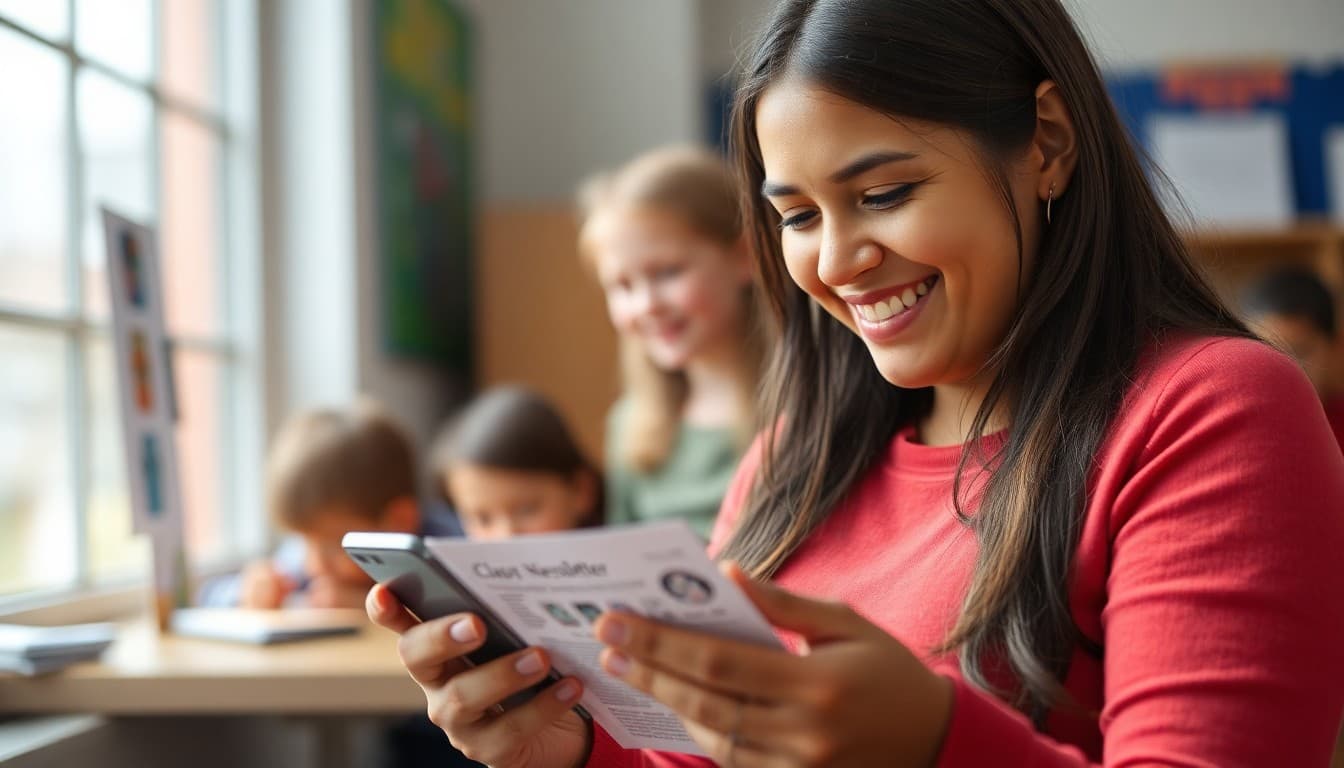
Teacher Newsletter Engagement Tips: Get Families to Actually Read It
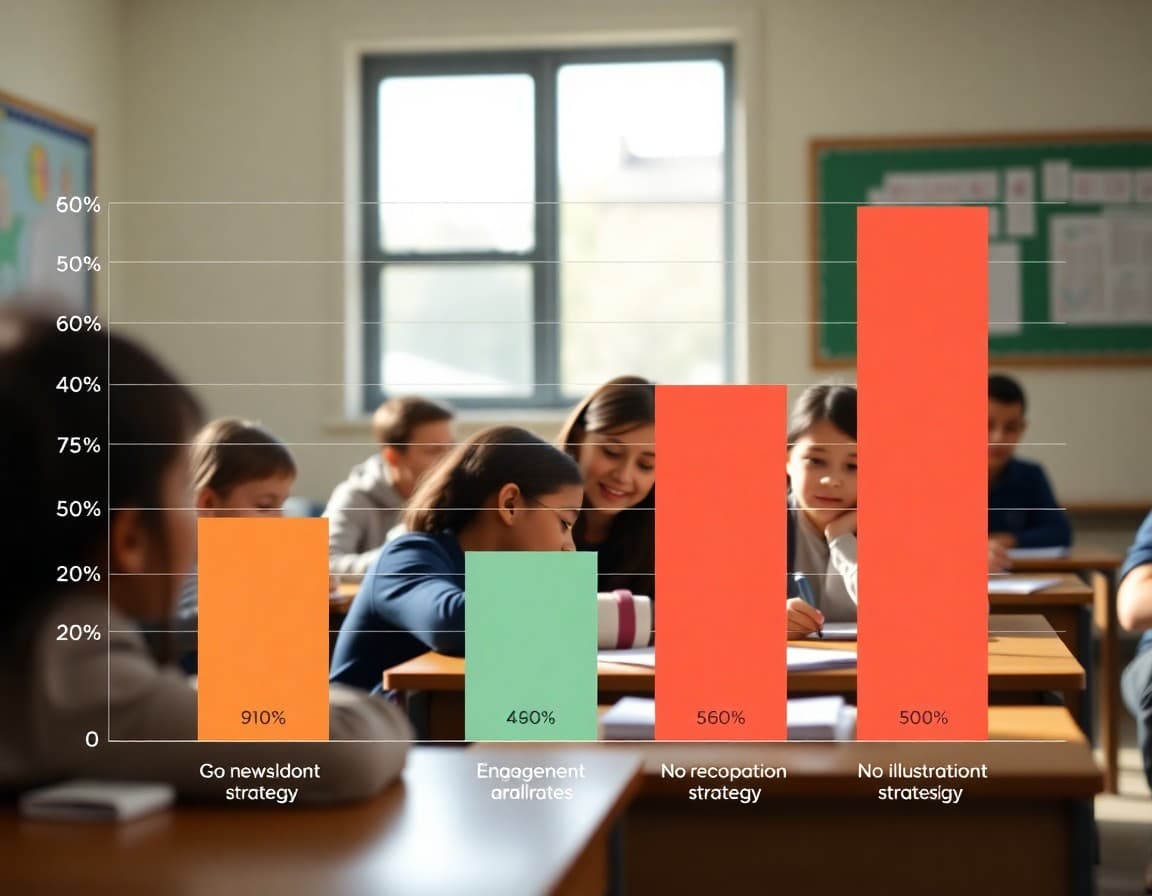
You can write a well-organized, information-rich newsletter and still have 40% of your families never open it. Engagement is a separate problem from content quality. It is about timing, subject lines, relevance, and habits. Here are the specific things that move the needle on family engagement with classroom newsletters.
Send on a Consistent Day at a Consistent Time
The single most reliable engagement driver is predictability. Families who expect your newsletter at 7:00 AM every Friday will look for it. Families who receive it randomly on Tuesday, then Thursday, then the following Monday will treat it like any other surprise email. Pick one day and time. Announce it at the start of the year. Stick to it. Even if a particular week's newsletter is short, send it on your usual day.
Write Subject Lines That Give Families a Reason to Open
The subject line is the only thing families see before deciding whether to open your email. "Mrs. Garcia's Weekly Newsletter" tells them nothing they did not already know. "Week of Nov 4: Book Fair Opens Monday, Science Test Thursday" tells them there are two time-sensitive things inside. Specific subject lines outperform generic ones on open rates consistently. Include the week and one or two actual pieces of news in your subject.
Put the Most Important Thing First
If a family opens your newsletter and the first thing they see is a warm greeting paragraph followed by a general update on classroom life, they may stop there without ever reaching the permission slip deadline at the bottom. Put the most action-required content first. Families who only read the first screen should catch whatever is most urgent. Save the reflective and informational content for later in the newsletter.
Make It About Their Child, Not the Class in Abstract
Newsletters that describe what "the class" did in generic terms feel impersonal. Newsletters that describe specific things you observed, specific student reactions to a project, or specific skills you are seeing develop feel like communication from someone who actually knows the child. "Students have been asking really sharp questions during our habitats unit" connects with parents more than "we are learning about habitats." That specificity comes from actually paying attention, which you are already doing.
Use One Photo Per Newsletter
A single good classroom photo increases open rates and read rates. Families want to see their child's classroom and learning environment. You do not need a professionally staged photo. A picture of student work displayed, an in-progress project, or a classroom activity makes the newsletter feel real. Check photo release permissions before including identifiable students in any image.
Ask Families One Direct Question or Give One Action
Newsletters that include a direct invitation, a question to ask at dinner, a specific activity to try, or a clear action families should take generate more engagement than newsletters that are purely informational. "Ask your child what they think would happen if plants had no light" is a concrete action families can take immediately. That kind of engagement makes your newsletter useful in a way that pure information delivery does not.
Track Open Rates and Adjust
If you are using a newsletter platform with read tracking, check your open rates quarterly. A rate above 65% is strong for a classroom newsletter. A rate below 50% is a signal to look at your subject lines, sending day, or content relevance. Do not assume all families are reading just because you sent it. Data tells you what is actually happening.
Get one newsletter idea every week.
Free. For teachers. No spam.
Frequently asked questions
Why do families not read teacher newsletters?
Three main reasons: the newsletter arrives at an inconvenient time, the subject line is too vague to compete with a full inbox, or the content does not feel relevant enough to read right now. Fixing any one of these improves engagement. Fixing all three changes everything.
What day and time should I send my teacher newsletter?
Thursday evening or Friday morning are consistently strong for school newsletters. Families are thinking about the upcoming week and weekend. Sunday evening also works for preview newsletters. Avoid Monday morning, when inboxes are already overloaded.
How should I write my newsletter subject line?
Include the week, one specific piece of news, or a date families will recognize as important. 'Week of Oct 14: Picture Day Thursday + Book Fair Dates' is far more likely to be opened than 'Mrs. Johnson's Weekly Newsletter.' Specific beats generic every time.
Does adding photos increase newsletter engagement?
Yes, significantly. A newsletter with one good classroom photo has meaningfully higher open and read rates than one without. Families are drawn to images of their child's learning environment. Just make sure you have appropriate photo permissions before including student photos.
How does Daystage help teachers improve newsletter engagement?
Daystage shows you open-rate data for every newsletter you send, so you can see exactly which families are reading and adjust your approach based on real engagement numbers. It also supports photo blocks and formatted layouts that increase read-through rates.

Adi Ackerman
Author
Adi Ackerman is a former classroom teacher and curriculum writer with 8 years in K-8 schools. She writes about school communication, parent engagement, and what actually works in real classrooms.
More for Classroom Teachers
Ready to send your first newsletter?
3 newsletters free. No credit card. First one ready in under 5 minutes.
Get started free