

Teacher Newsletter for Drama Club: Auditions, Rehearsals, and Showtime
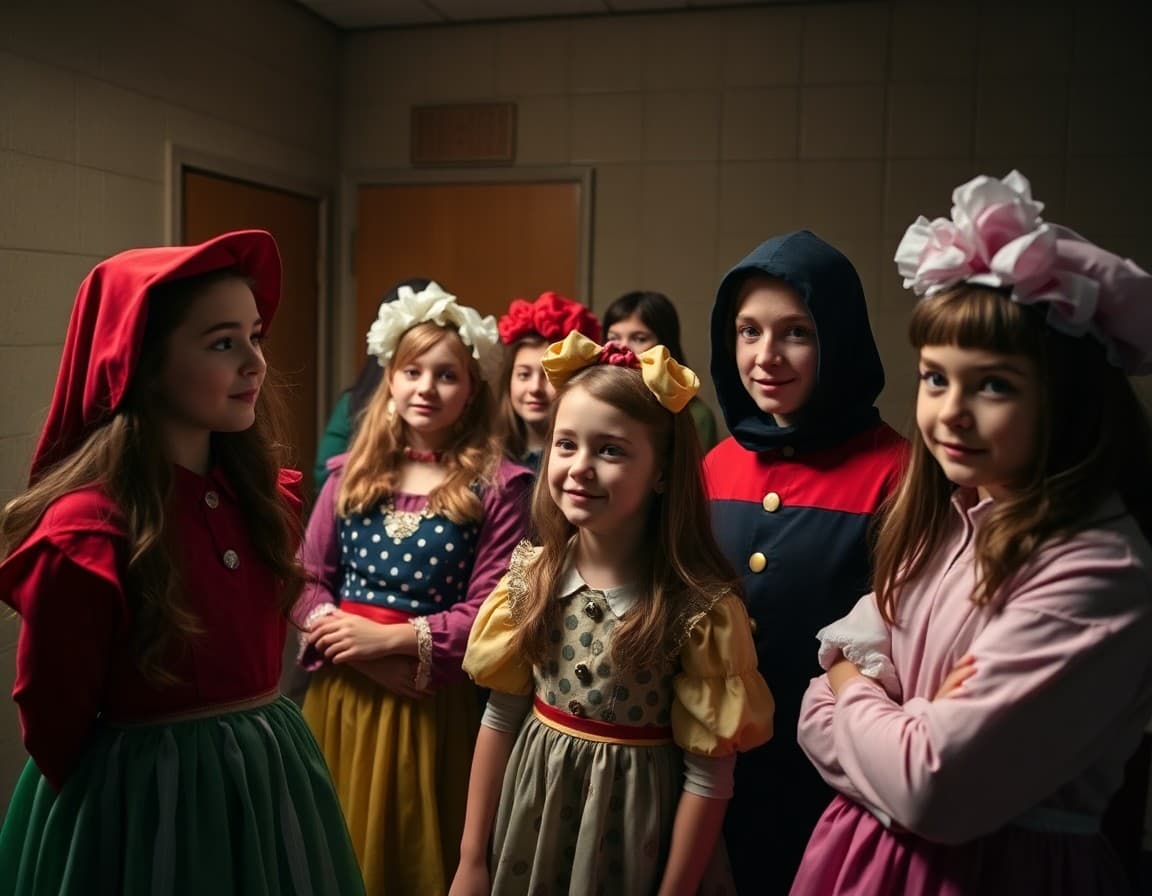
Drama club season runs on logistics. Families need to know audition dates, rehearsal schedules, costume requirements, and performance times well in advance to plan around them. Your newsletter is the communication hub for all of it. The more complete and clear your early messages are, the smoother the entire season runs.
Announce the Production and What It Means
Start the season newsletter with excitement about what the club is performing this year. Name the title, give a brief description, and explain why you chose it. Families who feel connected to the production are more supportive of the time and energy it asks of their child. A sentence about what the show explores or what students will learn from doing it adds meaning to the practical details that follow.
Walk Through the Audition Process
For families whose child is auditioning for the first time, the process can feel mysterious and stressful. Your newsletter should demystify it: what students will be asked to do (read sides, sing a few measures, demonstrate a physical action), how long the audition takes, and how casting decisions are communicated. Normalizing nervousness and framing auditioning as the brave part regardless of outcome gives families language to use at home.
Share the Full Rehearsal Schedule
Families cannot commit to drama club if they do not know what they are committing to. Include the full rehearsal schedule with dates, days, and times. If the schedule changes as the performance approaches, say that now so families expect updates. Highlighting the final weeks of intensive rehearsal with a note that attendance becomes more critical during that period prevents last-minute conflicts and no-shows.
Be Clear About Costume Requirements
If families need to supply any costume pieces, give them the full list early. Specific colors, specific items, a deadline for having everything ready, and where to find pieces if they need help sourcing them. A newsletter that covers this detail in week one prevents a week-before-the-show scramble that falls entirely on families who never knew what was needed.
Invite Family Support
Drama club performances go better when families are genuinely engaged. Mention volunteer opportunities like costume prep, set painting, and front-of-house operations. Share ticket information when it is available. Encourage families to talk with their child about what the role means to them. A supported performer is a more confident performer.
Close the Season with a Celebration Newsletter
After the final performance, send a short thank-you newsletter that celebrates what students accomplished. A photo from the show, a few words about what was learned, and a genuine acknowledgment of the work each student put in closes the season on the right note. Using Daystage, you can have that message ready to go before the curtain call so families receive it while the experience is still fresh.
Get one newsletter idea every week.
Free. For teachers. No spam.
Frequently asked questions
What should a drama club newsletter include at the start of the season?
Cover the production title, audition dates and what to prepare, the rehearsal schedule, the performance dates, and any costume or materials requirements. The more complete this first newsletter is, the fewer individual questions you will receive from families trying to plan around rehearsal conflicts.
How do I explain auditions without stressing out nervous students?
Describe the audition process as simply as possible: what students will be asked to do, how long it takes, and how casting decisions are made. Note that every student who auditions demonstrates courage and that there are roles for everyone who wants to participate. Families will use your newsletter as a conversation guide at home.
Should I address stage fright in the newsletter?
A brief acknowledgment that nerves before a performance are normal and are part of what makes performing meaningful is worth including. It signals to both families and students that you understand the emotional experience of performing and that you will support students through it.
How do I communicate costume requirements clearly?
List every item students need to provide, the deadline for having it ready, and where to purchase or find it. If the school provides costumes, say so. If families need to supply specific colors or items, be exact. Last-minute costume scrambles are almost always the result of unclear early communication.
What tool helps teachers send newsletters efficiently?
Daystage is a great choice for drama club season communications. You can design a production-season newsletter with a rehearsal calendar, audition details, and performance ticket information, then send it to your full parent list in minutes.

Adi Ackerman
Author
Adi Ackerman is a former classroom teacher and curriculum writer with 8 years in K-8 schools. She writes about school communication, parent engagement, and what actually works in real classrooms.
More for Classroom Teachers
Teacher Newsletter for School Art Show: Invite Families and Celebrate Student Work
Classroom Teachers · 6 min read
How to Announce a Class Celebration in Your Classroom Newsletter
Classroom Teachers · 5 min read
Teacher Newsletter for Writers Celebration: Honor Student Work
Classroom Teachers · 6 min read
Ready to send your first newsletter?
3 newsletters free. No credit card. First one ready in under 5 minutes.
Get started free