
Teacher Newsletter for a Classroom Visitor: How to Prepare Families
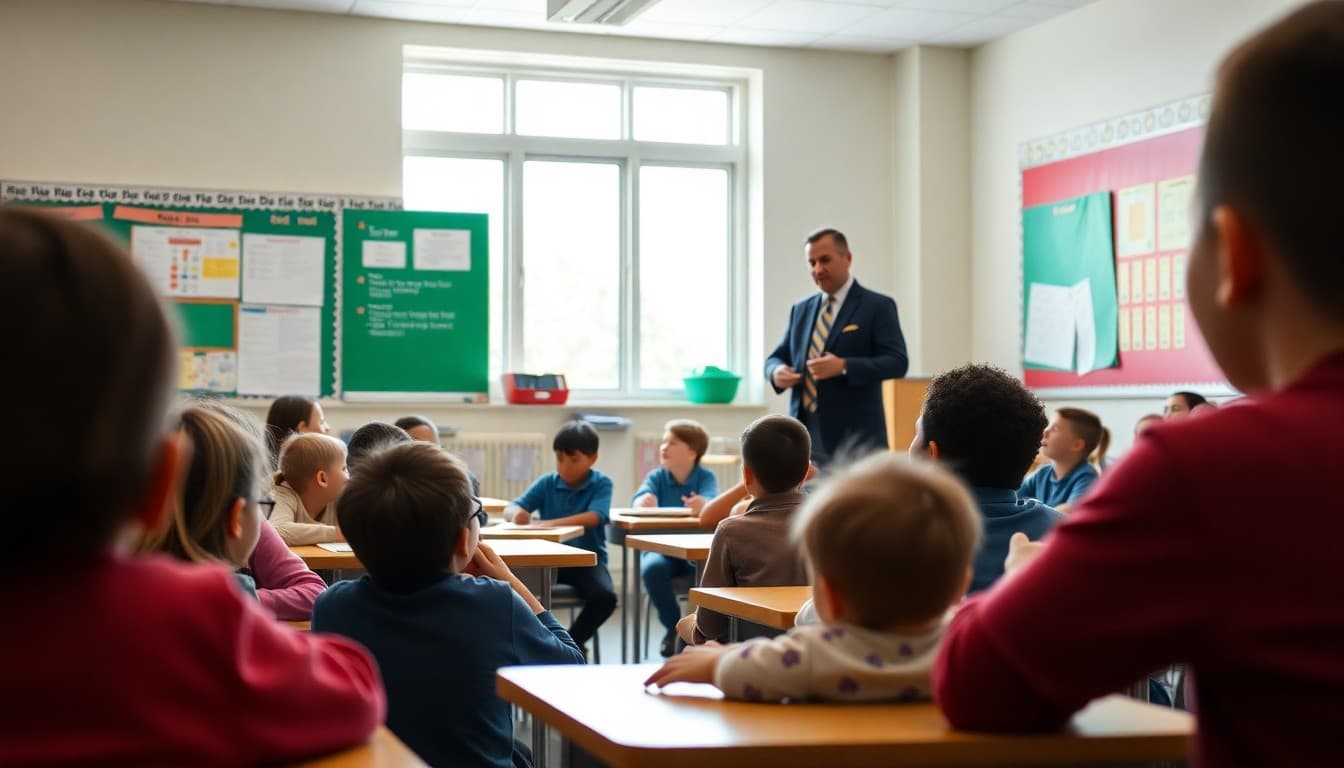
Classroom visitors are one of the most memorable learning experiences students have, and they are almost always underutilized because the preparation and follow-through are weak. Your newsletter can change that by giving families context before the visit and conversation starters after, which turns a ninety-minute classroom visit into a learning experience that lasts much longer.
Announce the Visitor With Genuine Enthusiasm
Tell families who is coming and why you are excited about it. "We have a marine biologist coming in on Thursday who has worked on coral reef research for fifteen years. She is going to connect our current ocean science unit to real field research in a way I cannot do from the classroom." That kind of specific excitement is contagious and frames the visit as significant rather than a nice break from routine.
Explain the Connection to Curriculum
Tell families exactly how the visitor connects to what students are studying. The strongest classroom visits are not standalone events. They are moments where a real professional brings the current content to life. "We are in the middle of our ecosystems unit, so having a wildlife biologist walk us through what ecological balance looks like in a real forest she monitors is directly connected to what students read this week."
Describe How Students Are Preparing
Tell families what the class is doing before the visit. Background research on the visitor's field. Question generation. Discussion about what they are curious about. When families know students are preparing, they can add to that preparation at home: "Look up one thing about coral reefs tonight so you have a question ready." That home extension multiplies the preparation and connects families to the learning.
Preview What Students Will Learn
Tell families what the visit will add that the curriculum does not already cover. "She is going to show us how real data is collected in the field, which is different from what students have seen in their textbooks. The messy, uncertain, often surprising nature of real scientific work is something a textbook cannot communicate." That kind of specific preview tells families why this visit is worth the class time.
Give Families Home Conversation Starters
After the visit, families who received advance context can ask better questions: "What did she say about how coral bleaching actually happens?" That specific question produces a real conversation. "How was school?" produces a shrug. Your pre-visit newsletter plants the questions families will ask after the fact, which makes the learning stick longer.
Send a Follow-Up After the Visit
Consider sending a brief follow-up newsletter or message after the visit with one or two things students said or noticed that were unexpected. "One student asked whether individual people can actually affect coral reef health, and the answer led to a twenty-minute discussion none of us expected." That follow-up closes the loop and shows families the learning that happened in real time.
Invite Future Visitors
Use the visitor announcement as an opportunity to invite parent professionals. "If you have a career, hobby, or area of expertise that connects to something we will be studying this year, please reach out. We love bringing real-world knowledge into the classroom, and many of the best visitors have been parents from our own community." That invitation builds your visitor pipeline for the whole year.
Get one newsletter idea every week.
Free. For teachers. No spam.
Frequently asked questions
What should a classroom visitor newsletter include?
Include who is visiting, their background or profession, why you are bringing them in, what students will learn from the visit, any preparation students are doing beforehand, and how families can extend the conversation at home after the visit.
How do I prepare students for a classroom visitor?
Have students research the visitor's profession or topic before the visit. Generate questions together as a class. Discuss what respectful audience behavior looks like. Students who arrive with genuine curiosity and prepared questions get far more from a visitor experience than students who sit passively.
What types of classroom visitors are most effective for elementary students?
Local professionals whose work students can connect to the curriculum are most effective: scientists, engineers, authors, medical professionals, athletes, community leaders, and parents who have interesting careers. The strongest visits have a clear connection to current classroom content rather than being standalone events.
How do I invite parent volunteers as classroom visitors in my newsletter?
Include a call for visitors in your newsletter with a brief description of the type of experience you are looking for: 'If you have a profession or area of expertise that might connect to our curriculum, I would love to have you come share it with the class.' Give families a simple way to respond with their area of expertise.
Can I use Daystage to announce a classroom visitor and include a photo after the visit?
Yes. You can send a pre-visit announcement through Daystage and then send a follow-up newsletter after the visit with photos and a student reflection. The two-newsletter format creates a before-and-after arc that families respond to well.

Adi Ackerman
Author
Adi Ackerman is a former classroom teacher and curriculum writer with 8 years in K-8 schools. She writes about school communication, parent engagement, and what actually works in real classrooms.
More for Classroom Teachers
Ready to send your first newsletter?
3 newsletters free. No credit card. First one ready in under 5 minutes.
Get started free