

Teacher Newsletter for Classroom Music: How Music Supports Learning Every Day
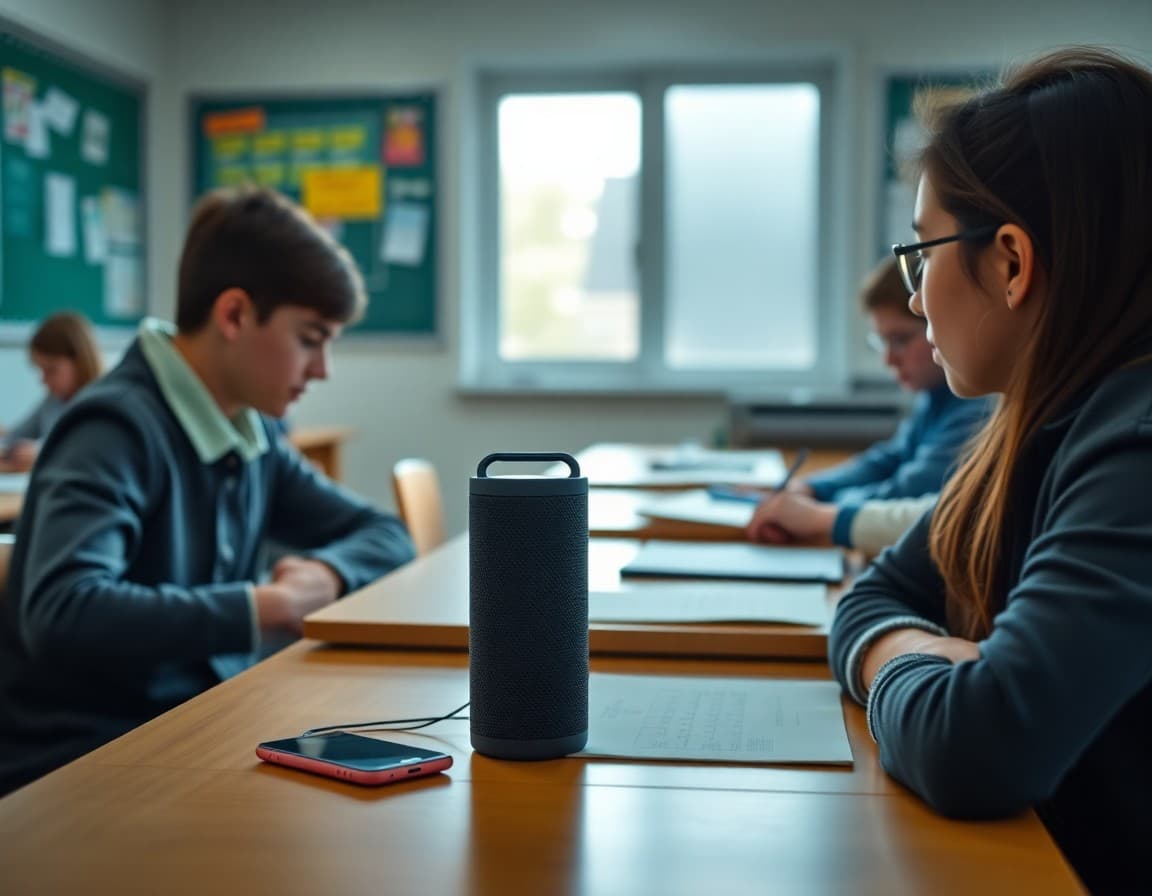
Music in the classroom is one of those practices that families either love immediately or find puzzling. When you explain the intentionality behind it, including which types of music you use, when you use them, and what the research says, most families become supportive and many adopt the approach at home. Your newsletter is the explanation that turns curiosity into enthusiasm.
Describe how you use music during the school day
Tell families specifically when and how music appears in your classroom. Background music during independent reading or writing? Transition music between activities? Content-specific songs for memorization? Each use serves a different purpose. Describing them separately helps parents understand that music in your room is a tool, not ambiance.
Explain the research on background music and focus
For many students, low-level ambient noise actually reduces distraction from irrelevant external sounds, making it easier to focus. Studies on music and cognition show that instrumental music at moderate volume can improve sustained attention for tasks that do not require verbal processing. The key is instrumental: lyrics compete with reading and writing in ways that purely musical content does not.
Share the types of music you use
Tell families what you play and why you choose it. "We use lo-fi instrumental music during independent writing time and transition to an upbeat song when we move between activities. The contrast signals to students that something is changing and helps everyone shift gears more quickly." Specific descriptions give families a model they can replicate at home.
Acknowledge that music does not work for every student
Background music is not universally beneficial. Some students, particularly those with auditory sensitivities, find it distracting regardless of volume or type. Tell families how you handle this. Do students have the option to use headphones? Is there a quiet space? Acknowledging the variability builds trust and prevents concerns from families whose students may not benefit.
Explain how music helps with content memorization
Songs are one of the oldest memory tools humans have. The melody provides a retrieval cue that prose does not. If you use content-based songs for memorization, the multiplication tables, historical facts, grammar rules, or scientific vocabulary, tell families which ones you use and recommend they listen together at home. Students who hear the same song at home and at school anchor the content twice as effectively.
Give families homework music recommendations
For families who want to try background music during homework, suggest a starting point. "Lo-fi hip hop or classical playlists on YouTube or Spotify work well. Volume should be low enough that a conversation is easy over it. If your student starts singing along, it is probably too interesting." This practical guidance prevents the common mistake of putting on their favorite pop playlist and wondering why they cannot focus.
Invite families to share what their student enjoys
Students who have a say in the classroom playlist are often more engaged with the activity associated with it. If appropriate, tell families you sometimes take student music suggestions for transition or celebration moments. This builds community around something students care about and gives families a way to be involved in a genuinely enjoyable piece of classroom life.
Get one newsletter idea every week.
Free. For teachers. No spam.
Frequently asked questions
How do you use music in the classroom and why?
Music serves several classroom functions: background music during independent work reduces distraction for some students by masking ambient noise, transition music marks the shift between activities and reduces transition time, and content-specific songs help students memorize information through the association of melody and rhythm.
What type of music is best for focused work?
Research suggests that instrumental music at moderate volume is the most supportive for cognitive tasks. Lyrical music tends to compete with reading and writing. Classical, lo-fi beats, ambient, and movie scores all work well. Familiarity also matters: music that is interesting enough to engage but not so engaging that it becomes the focus.
Does background music work for all students?
No. Research shows that background music benefits some learners and distracts others, particularly students with auditory processing sensitivities. Ideally, some students have the option to work without music. In a classroom, this is managed through headphone use or designated quiet areas.
How can families use music during homework time?
For students who benefit from background music, instrumental playlists work well during homework. For memorization tasks, creating a short jingle or rhythm for content can dramatically improve retention. Trial and error is the honest answer: try it for a week and observe whether the quality of work changes.
How does Daystage help me communicate about my classroom music practice with families?
Daystage lets you send a focused, readable newsletter explaining a specific classroom practice. You can share playlist names or links, explain the research, and give families a practical takeaway all in one place.

Adi Ackerman
Author
Adi Ackerman is a former classroom teacher and curriculum writer with 8 years in K-8 schools. She writes about school communication, parent engagement, and what actually works in real classrooms.
More for Classroom Teachers
Teacher Newsletter for Brain Breaks: Why Movement Supports Learning
Classroom Teachers · 6 min read
Teacher Newsletter for Educational Games: Learning Through Play in the Classroom
Classroom Teachers · 6 min read
Teacher Newsletter for Physical Breaks in Class: Movement That Improves Learning
Classroom Teachers · 6 min read
Ready to send your first newsletter?
3 newsletters free. No credit card. First one ready in under 5 minutes.
Get started free