

How to Write a Classroom Auction Newsletter to Families
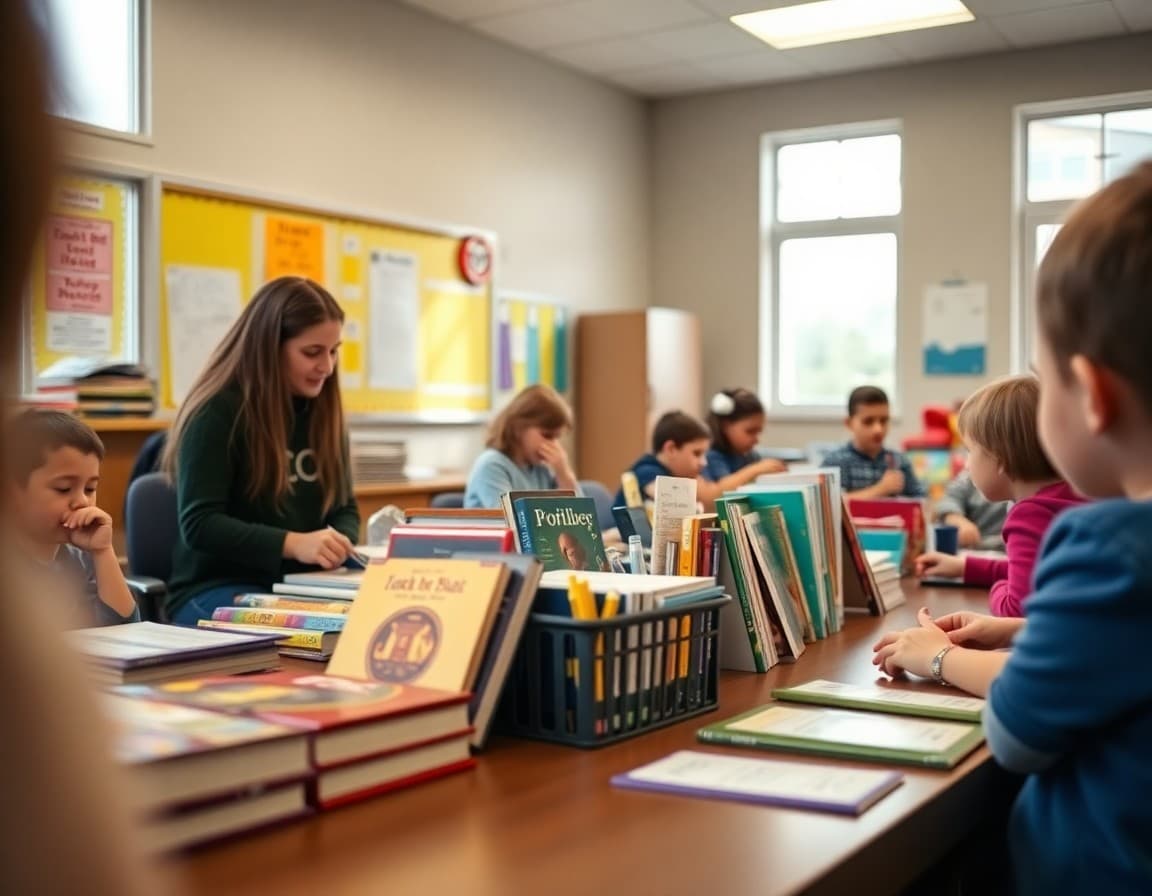
A classroom auction is one of the highest-payoff reward events a teacher can run because it combines real motivation with real financial literacy learning. Students who have been saving their classroom currency for months arrive at auction day with a personal stake in the outcome. A good newsletter builds excitement during the savings phase and ensures families understand the full educational context of the event.
Explain the classroom economy system first
Before describing the auction itself, make sure families understand the currency system behind it. How do students earn classroom currency? What are the expectations and behaviors that generate income? Can students lose currency for certain choices? Families who understand the full economy see the auction as the reward that makes the whole system meaningful rather than a random event that happens at the end of the year.
Describe the financial literacy connections
The auction is a genuine financial literacy exercise. Students practice budgeting by deciding how much of their savings to spend on which items. They practice delayed gratification by choosing to pass on smaller purchases during the year to save for the auction. They practice strategic thinking by deciding which items are worth the most to them personally. Name these skills explicitly in your newsletter so families see the academic value.
Preview the auction items
Give students and families a sense of what will be available. You do not need to reveal the full list, but a preview of the categories creates anticipation. "Items will include books, games, art supplies, and several experience privileges that have historically been the most competitive." Students who know what is coming will think strategically about saving versus spending in the weeks before the event.
Invite family donations
Classroom auctions that include family-donated items often produce the most diverse and exciting prize tables. In your newsletter, invite families to donate appropriate items and give them clear guidance on value range, item types that work well, and a donation deadline. Be specific about what works and what does not. Gently note that all items will be reviewed before they go on the auction table.
Explain the bidding process
Walk families through how the auction works. Will you use a silent auction format with bid sheets? A live auction with the teacher as auctioneer? Open bidding rounds? Whatever format you use, describing it in advance means students are not confused on the day of the event and families who attend as observers can follow along.
Give students saving strategies
Your newsletter can include a brief section directed at students (that families will read with them) encouraging strategic saving. Think about which items you want most. Consider saving for the bigger prizes rather than spending everything on small items along the way. This guidance reinforces the financial literacy dimension of the project and increases the quality of the bidding experience.
Note the event logistics
Date, time, where in the school it will happen, whether families are invited to observe, and how students should bring their currency to school safely. Logistics handled in the newsletter prevent the morning-of confusion that can derail even the most well-planned classroom event.
Daystage makes it easy to send a classroom auction newsletter with the donation request, item preview, and event logistics all in one organized message that families can refer back to as the date approaches.
Get one newsletter idea every week.
Free. For teachers. No spam.
Frequently asked questions
What is a classroom auction and how does it relate to a classroom economy?
A classroom auction is a reward event where students spend currency they have earned through a classroom economy system. Students bid on prizes or privileges using their earned currency. It teaches real-world financial concepts like budgeting, saving, delayed gratification, and strategic decision-making in a highly motivating context.
What kinds of prizes work well in a classroom auction?
A mix of tangible items and experience-based prizes works best. Books, school supplies, games, and small toys are popular tangible options. Experiences like sitting at the teacher's desk for a day, choosing a classroom activity, or getting homework-free passes are highly motivating and low-cost. Families can donate items too.
How do I explain the classroom economy to families who are unfamiliar with it?
Your newsletter should explain the full system briefly: students earn currency through positive behaviors and academic achievements, they can spend it on regular classroom store purchases or save for the big auction event. Families who understand the full cycle see the educational purpose rather than viewing it as a random prize system.
Can families donate items for the auction?
Yes, and inviting family donations in your newsletter often produces a broader range of auction items than a teacher can source alone. Give families specific guidance about appropriate item types and values, and a donation deadline that gives you time to organize the auction table.
What tool helps teachers communicate about classroom auctions?
Daystage makes it easy to send a classroom auction newsletter with a family donation request, auction preview, and event logistics all in one place so families have everything they need to participate.

Adi Ackerman
Author
Adi Ackerman is a former classroom teacher and curriculum writer with 8 years in K-8 schools. She writes about school communication, parent engagement, and what actually works in real classrooms.
More for Classroom Teachers
Ready to send your first newsletter?
3 newsletters free. No credit card. First one ready in under 5 minutes.
Get started free